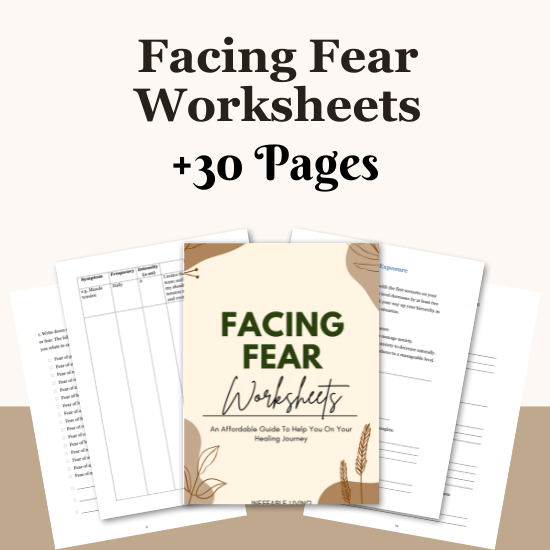
Fear can make avoidance feel like the safest option. These questions can help you slow down, identify what you are actually afraid of, check whether the fear matches reality, and decide what action makes sense.
25 Questions to Ask Yourself When Fear Is Holding You Back
- What exactly am I afraid will happen?
- What am I avoiding, delaying, or refusing to do because of this fear?
- Is the situation genuinely dangerous, or mainly uncomfortable or uncertain?
- What facts support my fear?
- What facts do not support it?
- Am I treating something that is possible as though it is definitely going to happen?
- How likely is the outcome I am afraid of?
- What is the most likely outcome, not just the worst-case outcome?
- If the feared outcome happened, what would I actually do next?
- Am I underestimating my ability to cope?
- Have I handled anything similar before?
- What would I tell someone else who had this exact fear?
- What am I trying to protect myself from: danger, rejection, embarrassment, failure, criticism, or uncertainty?
- What would this feared outcome mean about me if it happened, and is that meaning actually accurate?
- Am I avoiding this because I truly do not want it, or because I am afraid of the outcome?
- What is avoiding this costing me right now?
- What might avoiding it cost me six months from now?
- If fear were 50% smaller, what would I choose to do?
- What would I do if I knew I could handle disappointment, rejection, or a mistake?
- Am I waiting for confidence or certainty that may only come after I take action?
- What information do I genuinely still need before acting?
- Am I still preparing, or have I started using preparation as a way to delay?
- What is the smallest useful step I could take today?
- Which choice fits my values and long-term goals better than simply giving me immediate relief?
- If I let fear make this decision for me, will I be satisfied with that choice later?
How to Face Your fear?
1. Notice What You Keep Delaying
Ask:
“What have I been saying I will do ‘later’?”
Maybe:
- Apply.
- Leave.
- Ask.
- Start.
- Speak up.
- Make a decision.
Repeated delay can be a clue that fear is involved.
2. Name the Exact Fear
Do not stop at:
“I am nervous.”
Ask:
“What exactly am I afraid will happen?”
For example:
“I am afraid they will reject me.”
“I am afraid I will fail.”
“I am afraid I will regret the decision.”
Specific fears are easier to evaluate.
3. Ask What the Fear Is Protecting You From
Fear may be trying to prevent:
- Embarrassment.
- Criticism.
- Disappointment.
- Rejection.
- Uncertainty.
- Loss.
Knowing what fear is trying to protect you from helps you decide whether the protection is actually necessary.
4. Separate Danger From Discomfort
Ask:
“Is this genuinely unsafe, or does it mainly feel uncomfortable?”
There is a major difference between:
“I could be harmed.”
and:
“I could feel embarrassed.”
Both matter, but they require different responses.
5. Notice When Fear Uses “What If?”
“What if I fail?”
“What if they say no?”
“What if I make the wrong choice?”
Then ask:
“What would I do if that actually happened?”
Fear often describes the problem while leaving your ability to cope out of the story.
6. Stop Treating Possibility Like Probability
A bad outcome may be possible.
That does not make it likely.
Ask:
“How probable is this based on actual evidence?”
7. Look at the Most Likely Outcome
Fear naturally focuses on the worst-case scenario.
Ask:
“What is the most ordinary realistic outcome?”
Maybe:
“I will be nervous, but I will get through it.”
That may be much more realistic than catastrophe.
8. Ask What Avoidance Is Giving You
Avoidance often gives immediate relief.
You cancel.
You postpone.
You say nothing.
You feel better.
That relief can make avoidance seem like the right decision.
9. Ask What Avoidance Is Costing You
Now look at the other side.
Maybe fear is costing you:
- Opportunities.
- Relationships.
- Independence.
- Confidence.
- Time.
- Experiences.
Short-term relief can create long-term limitations.
10. Compare Today’s Relief With Tomorrow’s Regret
Ask:
“Will I be glad I avoided this tomorrow?”
Sometimes the answer is yes.
Other times you realize you are protecting yourself from ten minutes of discomfort at the cost of something you genuinely want.
11. Stop Waiting for Confidence
Fear may tell you:
“I will do it when I feel ready.”
But confidence often comes after repeated action.
Try:
“I do not need confidence to begin. I need a manageable first step.”
12. Stop Waiting for Certainty
You may want to know:
“This will definitely work.”
“I will not regret this.”
“Nobody will reject me.”
Those guarantees are rarely available.
Ask:
“Do I have enough information to make a reasonable decision?”
13. Notice When Research Becomes Avoidance
Research can help.
But eventually:
“One more article.”
“One more opinion.”
“One more comparison.”
may simply delay the decision.
Ask:
“What information am I still missing?”
If you cannot answer, you may already know enough.
14. Stop Asking Everyone What You Should Do
Advice can provide perspective.
But too many opinions can create more fear.
Ask yourself first:
“What do I think makes sense?”
Then use other people’s advice as information rather than permission.
15. Identify the Decision Fear Wants You to Make
Write:
“Fear wants me to ______.”
Maybe:
- Stay quiet.
- Cancel.
- Say yes.
- Do nothing.
- Stay where you are.
Then ask whether that choice actually serves you.
16. Identify What You Would Choose Without Fear
Ask:
“If I knew I could handle the uncomfortable outcome, what would I do?”
This question often reveals what you genuinely want.
17. Ask What Matters More Than Feeling Safe
Maybe:
- Growth.
- Honesty.
- Connection.
- Independence.
- Self-respect.
- Opportunity.
Fear focuses on avoiding discomfort.
Values help you decide what discomfort may be worth tolerating.
18. Choose the Smallest Meaningful Step
Do not force yourself to solve everything at once.
Instead of:
“Change careers.”
try:
“Update my résumé.”
Instead of:
“Confront them.”
try:
“Write down what I need to say.”
Movement reduces helplessness.
19. Make the Step Smaller if You Keep Avoiding It
If you still cannot begin, reduce the size again.
Fear often decreases when the task becomes specific and manageable.
Ask:
“What could I realistically do in ten minutes?”
20. Set a Start Time
Instead of:
“I will do it later.”
choose:
“At 4:00, I will work on it for 15 minutes.”
Specific plans leave less room for fear to keep renegotiating.
21. Give Yourself a Short Trial
You do not always need a permanent commitment.
Try:
“I will attend for 20 minutes.”
“I will try this for one week.”
“I will have one conversation.”
Experiments can feel less overwhelming than all-or-nothing decisions.
22. Stop Treating Every Decision as Permanent
Ask:
“Can I change direction later?”
Many choices are adjustable.
Fear may make them feel more final than they actually are.
23. Give Yourself Permission to Make an Imperfect Choice
You may not always choose perfectly.
Nobody does.
A better goal is:
“I want to make the best decision I can with the information I have now.”
24. Ask What You Would Do if Mistakes Were Allowed
Fear often grows around:
“I cannot get this wrong.”
Ask:
“What would I attempt if I knew I was allowed to learn as I went?”
25. Stop Making Failure Mean Something About Your Worth
Failure can mean:
“This attempt did not work.”
It does not automatically mean:
“I am incapable.”
Keep the event specific.