Gratitude is powerful—but only when it feels real. Forcing yourself to “be grateful” when you’re hurting, stressed, or disconnected can feel hollow or even dismissive. True gratitude isn’t about pretending everything is fine. It’s about noticing what’s still good, even when life is hard. Here’s how to practice gratitude in a way that feels honest, grounded, and healing.
Why Forced Gratitude Can Feel Hollow
Gratitude is powerful — but when it’s forced, it can feel empty, dismissive, or even shaming. Especially when you’re struggling, being told to “just be grateful” can make your pain feel invisible.
Forced gratitude skips over what’s real. It demands a positive response before you’ve had a chance to be honest about what hurts. It tries to replace anger, grief, or exhaustion with a silver lining — without allowing space for what needs to be felt first.
When gratitude becomes a performance instead of a practice, it can lead to guilt. You might start thinking, “I shouldn’t feel this way, other people have it worse,” which only deepens shame and disconnect. Gratitude, then, becomes a mask rather than a bridge to healing.
True gratitude doesn’t ignore pain — it coexists with it. It doesn’t cancel out what’s hard. It makes room for both: I’m struggling, and I can still find something to hold onto. But if you skip straight to the positive, you miss the deeper work of honoring your emotional truth.
Related: Top 10 Exercises to Cultivate an Attitude of Gratitude
How to Practice Gratitude Without Feeling Fake?
1. Start With What’s Small and True
You don’t need a grand list. Begin with tiny things you genuinely appreciate:
“The warmth of my tea.”
“The softness of my blanket.”
“The way the sunlight hits the wall.”
2. Let Gratitude Coexist With Hard Emotions
You can feel grief and gratitude. Anger and appreciation. Say:
“This is hard—and I’m thankful for my friend who checks in on me.”
It’s not either/or—it’s both/and.
3. Don’t Force It—Feel It
If you don’t feel grateful, don’t fake it. Instead, get curious:
“Is there one moment today that didn’t feel heavy?”
Start with neutrality before reaching for positivity.
4. Use Gratitude as a Grounding Tool, Not a Guilt Trip
Gratitude should comfort you, not shame you. If it starts sounding like:
“I shouldn’t feel this way because others have it worse,”
pause. That’s not gratitude—it’s self-dismissal.
5. Focus on People, Not Just Things
Instead of listing achievements or possessions, think:
“Who helped me feel seen today?”
“Whose kindness made a difference?”
Relational gratitude often feels more genuine.
Related: +400 A To Z Gratitude List
6. Let Your Body Join the Practice
Gratitude isn’t just mental—it’s physical. Place a hand on your heart. Breathe deeply. Let the sensation of warmth or appreciation land in your body.
7. Practice Gratitude Toward Yourself
It’s easy to thank others. But try this:
“I’m grateful I kept going today.”
“I’m thankful I showed up, even tired.”
Self-directed gratitude builds inner safety.
8. Write Gratitude Letters—Even If You Don’t Send Them
Write to someone you appreciate. Tell them what they meant to you. You don’t have to send it. The act of writing connects you to sincere emotion.
9. Take a Break From Gratitude If It Feels Forced
Sometimes, the most honest thing is to pause. Gratitude should soften you—not pressure you. When you return, it’ll feel more authentic.
10. Notice How Gratitude Feels—Not Just What You Write
When it’s real, gratitude creates a shift. You breathe deeper. Your shoulders drop. Your heart feels a little more open. Let that be your measure—not the length of your list.
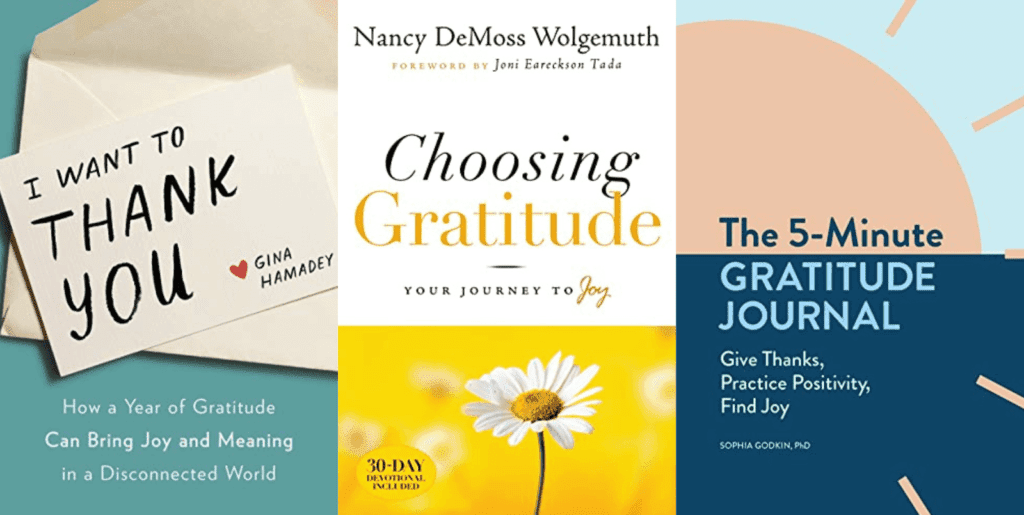
Related: Best 10 Books On Gratitude
Conclusion
Gratitude isn’t about denying pain—it’s about remembering beauty alongside it. When practiced with honesty and softness, it reconnects you to what’s real, what’s good, and what’s quietly holding you together—even on the hardest days.