Some people have a way of getting under your skin—whether it’s a dismissive tone, a manipulative question, or a backhanded comment that hits just the right nerve. Staying calm in these moments doesn’t mean being passive. It means holding onto your power, rather than letting it get hijacked by someone else’s behavior.
Why Certain People Get Under Your Skin
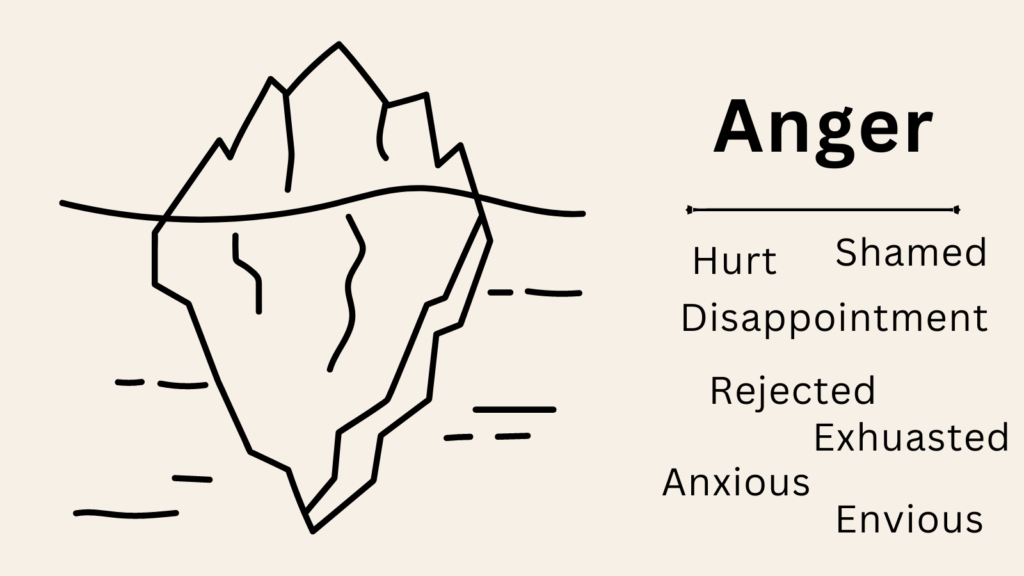
When someone pushes your buttons, it’s rarely just about what they said.
It’s about what that moment activates inside you — a feeling, memory, or wound that hasn’t fully healed.
Your body responds before your logic can.
Your heart races, your stomach tightens, your jaw clenches.
It’s not just irritation. It’s emotional history being touched in real time.
Often, these buttons are wired from early experiences where:
- You had to stay silent to stay safe
- You were punished for expressing emotion
- You weren’t allowed to have needs
- You were constantly misunderstood or dismissed
So when someone echoes that tone, posture, or energy — your system goes into defense.
Not because you’re weak, but because you learned to protect yourself early on.
What “Staying Calm” Really Asks of You
Staying calm isn’t about suppressing your anger or pretending you’re fine.
It’s about not abandoning yourself in that charged moment.
It means holding space for the emotion without letting it hijack your nervous system.
It means learning to observe the storm without being swept into it.
This isn’t a skill you magically gain through willpower.
It’s a practice of emotional regulation, nervous system safety, and self-respect — one that grows with awareness, not judgment.
Related: How To Deal With Someone Who Doesn’t Respect Your Boundaries?
How to Stay Calm When Someone Pushes Your Buttons?
Here’s how to stay centered and grounded when someone triggers you emotionally.
1. Recognize the Physical Signs of Being Triggered
Before your words spiral out, your body gives you signals: a rush of heat, clenched jaw, shallow breath, tight chest. These are not weaknesses—they’re cues that your nervous system is entering fight-or-flight.
The moment you notice them, pause. Internally name what’s happening:
“I’m feeling activated. This is a reaction, not a threat.”
By catching it early, you create space between stimulus and response.
2. Use a Grounding Technique Immediately
Don’t try to mentally overpower the trigger. Instead, regulate your body first. A few quick options:
- Press your feet firmly into the ground and take a slow breath.
- Silently count backward from 10.
- Press your fingertips together or hold your wrist.
These small actions can keep you anchored in the present, rather than pulled into emotional reactivity.
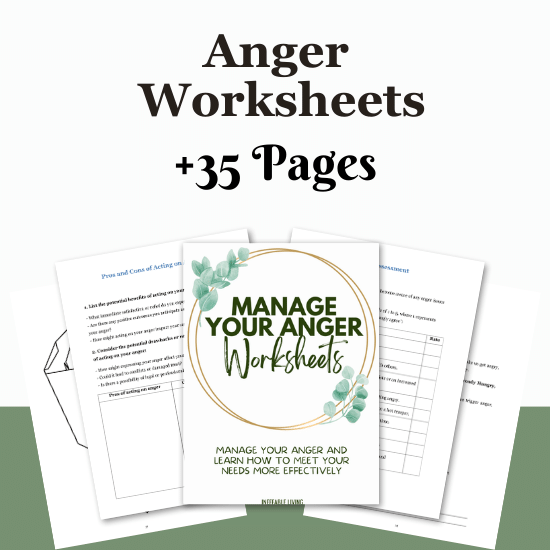
Related: Top 14 CBT Exercise For Anger Management (+FREE Anger Worksheets)
3. Slow Down the Conversation
Triggers create urgency. You feel like you need to respond now—to correct, defend, or retaliate. But urgency is a trap.
Instead, buy time:
- Say, “Let me think about that for a second.”
- Ask a clarifying question: “What did you mean by that?”
- If needed, pause entirely: “I need a minute to collect my thoughts.”
Slowing things down puts you back in control.
4. Get Curious Instead of Combative
When someone pushes your buttons, their goal may be to provoke you—or they may be unconscious of the effect they’re having. Either way, defensiveness feeds the fire.
Try shifting to curiosity:
- “That’s an interesting perspective. Can you tell me more?”
- “Why do you feel that’s important?”
You don’t have to agree—you just have to stay emotionally detached enough to respond from choice, not impulse.
Related: Anger Rumination: Top 10 Tips to Let Go
5. Remind Yourself of What You’re Not Responsible For
You are not responsible for:
- Managing their emotions
- Changing their mind
- Fixing their discomfort
- Justifying your boundaries
When you feel the urge to over-explain or appease, remind yourself: “Their reaction is not my responsibility.”
This helps you stay grounded in your lane.
6. Reframe the Situation Internally
Instead of:
- “Why are they doing this to me?” → say: “I’m being presented with a growth opportunity.”
- “They’re making me so mad!” → say: “I notice I’m feeling anger rise. I can sit with it.”
- “They always push my buttons.” → say: “This is an old pattern I’m ready to break.”
Your internal narration shapes your power in the moment.
Related: Top 15 Anger Journal Prompts (+FREE Worksheets)
7. Hold Onto Your Boundary—Without Needing to Prove It
Boundaries don’t need to be loud or aggressive. They just need to be clear. If someone’s behavior crosses a line, calmly name it:
- “That comment doesn’t sit well with me.”
- “Let’s take a break from this conversation.”
- “I won’t continue if I’m being interrupted.”
The key is consistency, not emotional force.
8. Don’t Absorb the Energy They’re Trying to Project
Toxic or reactive people often want you to match their energy. That way, you become the one who looks unreasonable.
Refuse the invitation:
- Speak one tone lower than usual.
- Drop your shoulders and slow your breath.
- Keep your answers short and grounded.
Let your nervous system set the emotional tone—not theirs.
Related: Anger vs Frustration: What’s the Difference?
9. Process the Trigger Later—Not In the Moment
Staying calm doesn’t mean suppressing. After the interaction, take time to unpack it:
- What exactly triggered me?
- What old wound or belief did it hit?
- What boundary do I need to reinforce in the future?
Every trigger is a messenger—not just about the person, but about your own growth edges.
10. Let Calm Be Your Power, Not Your Silence
Calm is not about shutting down or avoiding confrontation. It’s about staying rooted in your self-respect and not handing your peace over to anyone else.
It says: “I get to decide how I show up—even when you don’t.”
Related: Best 10 Anger Management Books And Workbooks
Why It’s Not Always About the Other Person
When someone pushes your buttons, it feels like they’re the problem — and sometimes they are.
But often, they’re just stepping on an old bruise.
A bruise made from years of being unheard, unseen, disrespected, or pushed aside.
The more you understand your buttons — and where they came from —
the more power you have to respond instead of react.
Not for them.
But for the part of you that deserves to feel safe, no matter the room you’re in.
Conclusion
When someone pushes your buttons, you don’t need to prove your worth, out-argue them, or match their emotional intensity. The most powerful response is often the calmest one. Not because you’re afraid to feel—but because you’re strong enough to choose how you feel. And when you hold onto that choice, no one else gets to control the outcome.