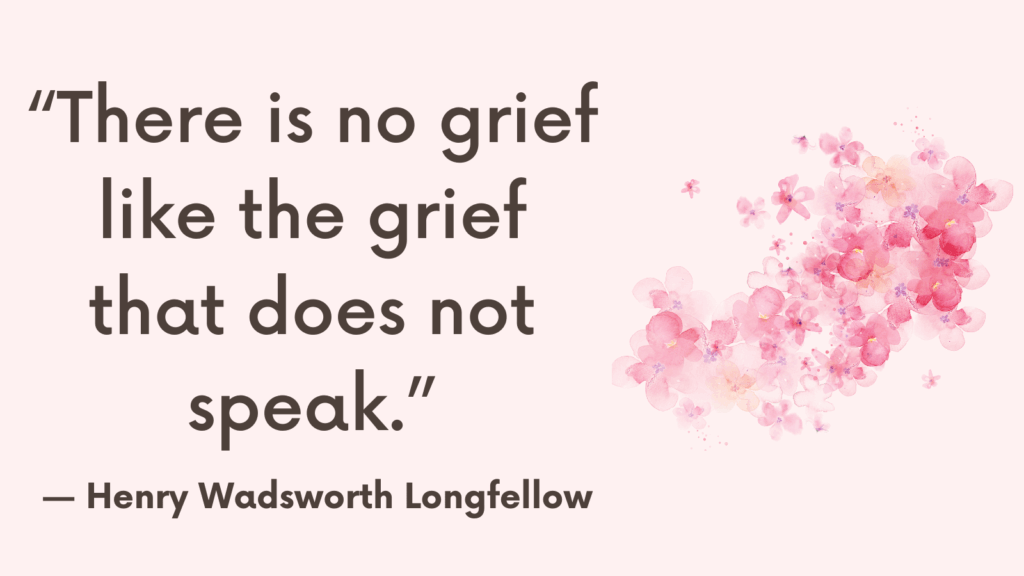
Grief doesn’t follow a timeline — it moves in waves. Just when you think you’ve adjusted, something small can bring it all rushing back: a scent, a song, a passing phrase. These sudden returns of pain don’t mean you’ve gone backward; they mean your love and memory still live within you. When grief resurfaces unexpectedly, the goal isn’t to push it away but to meet it gently, with presence and compassion.
What It Means When Grief Comes Back
Grief doesn’t move in straight lines. Just when you think you’ve made peace, it can return—sudden, sharp, and confusing. A song, smell, or familiar place can pull you back into emotions you thought were long gone. This isn’t a setback; it’s how grief breathes. It comes in waves because love never truly ends.
Why It Feels Like Starting Over
When old emotions return, it’s easy to think, I should be past this by now. But grief doesn’t follow time; it follows meaning. As your life changes, so does your understanding of the loss. What once hurt in one way may hurt differently now, not because you’re broken—but because you’ve grown.
Related: Grieving and Numb? These Worksheets Can Help You Sit with Loss and Heal
The Triggers That Awaken Memory
- Sensory reminders: A scent, season, or song that takes you back.
- Life transitions: New milestones—weddings, births, graduations—highlight the person’s absence.
- Similar pain: New losses reopen old wounds.
- Silence or rest: When life slows, what was buried has room to speak again.
These triggers don’t bring grief back; they reveal it was never gone—just resting beneath daily life.
12 Ways to Handle Grief That Resurfaces Unexpectedly
1. Pause and Acknowledge What’s Happening
When grief rises suddenly, stop for a moment and name it: “This is grief.” Naming brings awareness to what’s happening instead of letting it blur into confusion or shame. Recognition is grounding — it helps you see this as a wave, not a relapse.
Related: Best 21 Grief Journaling Prompts (+FREE Grief Worksheets PDF)
2. Take a Grounding Breath
Grief can feel like an emotional ambush. Focus on your body: take a slow breath in through your nose, hold briefly, and exhale fully. Feel your feet against the ground. Returning to the body signals safety when the heart feels flooded.
3. Identify the Trigger Without Judgment
Try to notice what sparked the emotion — a sound, a memory, a date, a place. Understanding the trigger helps you make sense of the wave rather than being swept away by it. It’s not weakness; it’s memory reaching out for acknowledgment.
4. Give Yourself Permission to Feel
Tears, sadness, or numbness are all valid. Don’t rush to “get over it.” Allow the feeling to move through you — emotions that are felt fully tend to pass more gently than those resisted.
5. Use Gentle Self-Talk
Replace “Why am I still grieving?” with “It’s okay that this still hurts.” Grief returning doesn’t mean you’re failing; it means your love hasn’t lost meaning. Kind words to yourself soften the edges of pain.
Related: Best +30 Grief Activities For Adults (+FREE Worksheets PDF)
6. Find a Quick Comfort Ritual
Have small acts that help soothe you when grief hits — listening to a calming song, lighting a candle, journaling for five minutes, or stepping outside. Ritual turns pain into a moment of mindfulness rather than panic.
7. Let the Wave Pass Naturally
Like the tide, grief rises and recedes. Resist the urge to suppress or analyze it in the moment. Breathe, stay present, and trust that the wave will settle on its own. Grief always moves when given permission.
8. Reach Out to a Safe Person
If the emotion feels too heavy, talk to someone who understands your loss or can simply listen. Sharing what triggered the grief — even briefly — can help regulate your emotions and remind you that you don’t have to hold it alone.
9. Practice Compassion for Your Ongoing Bond
Remind yourself that grief resurfaces because the connection still matters. Instead of seeing it as reopening a wound, see it as love reappearing in a new form. The pain is proof of depth, not damage.
Related: Grief Comes In Waves: Top 12 Lessons From Grief No One Talks About
10. Engage in Something Grounding Afterward
After a grief wave, your body may feel drained. Drink water, take a short walk, stretch, or rest. Grounding acts signal to your nervous system that it’s safe to return to the present moment.
11. Reflect on What the Wave Might Be Teaching You
Later, when the intensity lessens, ask: “What did this moment show me about what still matters to me?” Every grief surge carries insight — reminders of values, love, and priorities that remain meaningful.
12. Seek Ongoing Support if the Waves Feel Frequent or Overwhelming
If resurfacing grief begins to dominate your days, consider speaking with a therapist or joining a grief support group. Sometimes grief returns because there’s another layer ready to be processed — not because you’ve failed to heal.

Conclusion
When grief resurfaces unexpectedly, it’s not an interruption of healing — it’s part of it. Each wave is a reminder that love and loss are intertwined, that remembering is a natural act of the heart. Meeting those moments with gentleness turns them from painful intrusions into quiet invitations — reminders that grief doesn’t end, it evolves, and so do you.