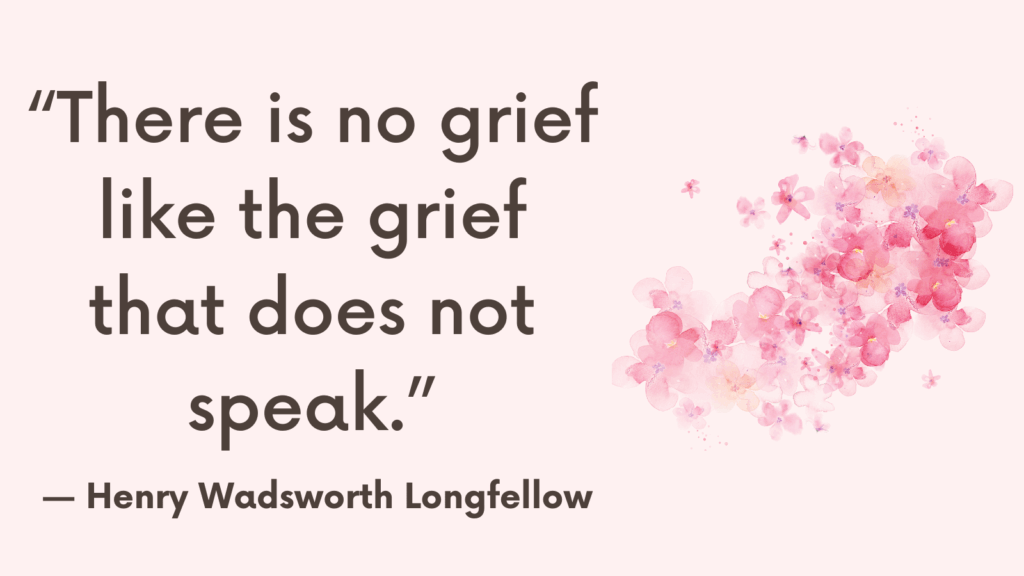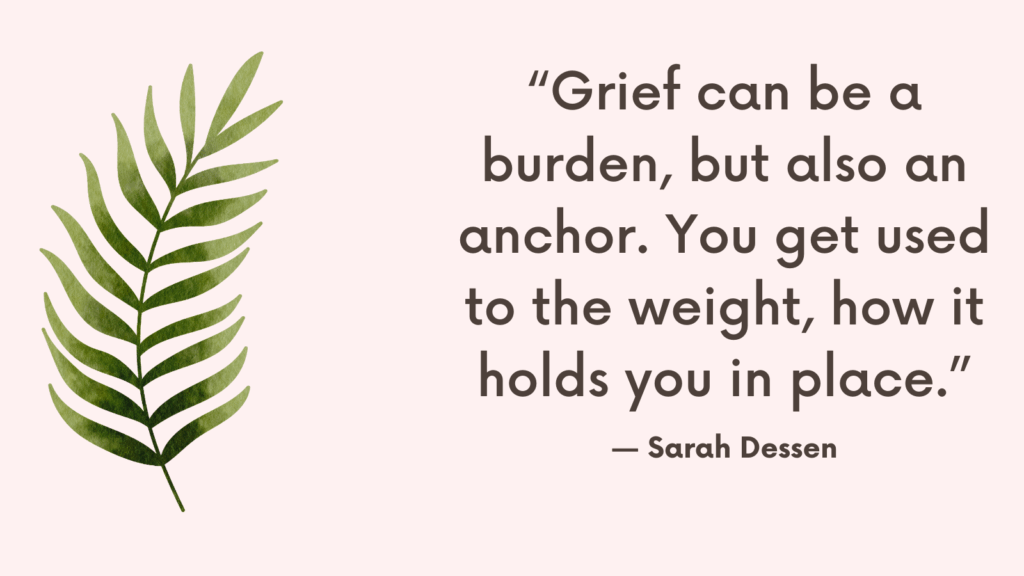
Grief doesn’t disappear when time passes — it simply finds quieter ways to live inside you. When it goes unprocessed or unacknowledged, it doesn’t just affect your emotions; it shapes your behavior, relationships, and body in subtle, often invisible ways. Unresolved grief doesn’t always look like sadness — sometimes, it looks like busyness, irritability, or emotional distance. Recognizing these hidden signs is the first step toward bringing compassion and awareness to what your heart is still carrying.
What Unresolved Grief Really Is
Unresolved grief isn’t just sadness you haven’t gotten over—it’s emotion that never had a safe place to land. It’s the pain you tucked away so you could keep functioning, the ache that hides beneath busyness or strength. Over time, it doesn’t disappear; it changes shape, showing up in parts of life that seem unrelated to loss.
Related: Grieving and Numb? These Worksheets Can Help You Sit with Loss and Heal
15 Hidden Ways Unresolved Grief Shows Up in Daily Life
1. Chronic Irritability or Low Patience
You may find yourself snapping over small things or feeling easily overwhelmed. Beneath the frustration often lies grief that hasn’t had space to be felt — the body holding sorrow as tension and anger because it feels safer than vulnerability.
2. Overworking or Staying Constantly Busy
Filling every moment with tasks or productivity can be a way to avoid stillness, where grief might surface. The more you keep moving, the less time there is to feel. Busyness can become emotional armor against pain.
3. Emotional Numbness
Instead of feeling sadness, you might feel nothing at all — an internal flatness that extends beyond the loss. Numbness isn’t a lack of caring; it’s your nervous system’s way of protecting you from overwhelm when grief feels too large to handle.
4. Difficulty Feeling Joy or Connection
Unresolved grief can dull your capacity for joy. Even positive moments — laughter, love, celebration — may feel muted or undeserved. The heart that hasn’t processed loss struggles to stay open to new emotional experiences.
Related: Best 21 Grief Journaling Prompts (+FREE Grief Worksheets PDF)
5. Avoidance of Certain Places, Dates, or Conversations
You might go out of your way to avoid reminders of what or who you lost. This avoidance isn’t weakness; it’s an attempt to manage the pain. But over time, avoidance keeps grief frozen instead of allowing it to move through.
6. Sudden Waves of Emotion Without Clear Cause
Tears, anxiety, or sadness may surface “out of nowhere.” Often, the body remembers anniversaries or sensory triggers — smells, songs, seasons — before the conscious mind does. These emotional surges are unprocessed grief asking for acknowledgment.
7. Perfectionism or Overcontrol
Trying to control everything around you can be a subconscious attempt to prevent more loss. After grief, chaos feels dangerous, so order and control become ways to create the illusion of safety.
8. Withdrawal From Relationships
You may find yourself pulling away from people, even those you love, because connection feels risky or exhausting. Emotional withdrawal can be a defense against the fear of losing again or being seen in your vulnerability.
Related: Best +30 Grief Activities For Adults (+FREE Worksheets PDF)
9. Persistent Fatigue or Physical Symptoms
Unresolved grief often lives in the body — as fatigue, tension, headaches, or digestive issues. When emotions stay unexpressed, they transform into physical sensations. The body becomes the voice of what the heart can’t yet say.
10. Guilt for Moving Forward
You might feel uneasy about enjoying life or pursuing happiness, as if healing means betraying the person or thing you lost. This quiet guilt keeps you tethered to sorrow, confusing loyalty with self-punishment.
11. Emotional Overreactions to Small Losses
Minor disappointments — a friend canceling plans, a broken item, a missed opportunity — can trigger intense feelings because they echo the deeper loss underneath. Each small grief reactivates the larger, unresolved one.
12. Overidentification With Others’ Pain
When your own grief remains buried, you might become overly attuned to others’ suffering — taking on their pain as a way to process your own indirectly. Compassion becomes a form of displacement rather than healing.
13. Loss of Purpose or Motivation
Grief can quietly drain meaning from daily life. You may go through motions without feeling connected to why you’re doing them. This emptiness is not laziness; it’s the emotional fatigue of carrying a story that hasn’t been released.
Related: Grief Comes In Waves: Top 12 Lessons From Grief No One Talks About
14. Difficulty Making Decisions
Unresolved grief often clouds clarity. When part of you is still living in the past, it becomes hard to imagine or commit to the future. Decision paralysis is grief’s way of holding onto what’s familiar — even pain — rather than risking more change.
15. Sensitivity to Rejection or Abandonment
When loss remains unhealed, every hint of distance can feel like reliving it. A delayed text or disagreement might trigger outsized fear or sadness — not because of the present moment, but because of the unresolved grief echoing beneath it.
How to Heal Unresolved Grief?
1. Acknowledge That Your Grief Is Still There
The first step is admitting that something inside you still hurts. Denial and distraction keep grief frozen. Say it aloud or write it down: “I’m still grieving.” Naming it doesn’t reopen the wound — it finally gives it air to breathe.
2. Allow Yourself to Feel, Not Just Function
Many people survive grief by going into survival mode — working, caregiving, or staying busy. Healing begins when you stop only functioning and allow yourself to feel. Cry, journal, pray, or sit with the ache. Pain processed becomes lighter; pain suppressed becomes heavier.
3. Identify the Loss Beneath the Loss
Grief isn’t only about people — it can be the loss of safety, identity, health, or dreams. Ask yourself, “What exactly am I mourning?” Understanding what the loss represents helps you grieve what’s truly missing rather than what seems obvious.
4. Release the Timeline for Healing
There is no deadline for feeling better. Unresolved grief often lingers because we shame ourselves for “still” being sad. Replace “I should be over this” with “I’m still healing.” Grief softens with permission, not pressure.
5. Reconnect With Your Body
Grief isn’t only emotional — it’s physical. You might feel heaviness, exhaustion, or restlessness. Gentle movement, stretching, walking, or deep breathing can help release stored sorrow. Let your body express what words can’t.
Related: Resilient Grieving: Best 17 Ways To Manage Grief In The Workplace (+FREE Grief Worksheets)
6. Give Shape to the Unspoken
Writing, art, music, or prayer can turn invisible pain into visible expression. Create something that represents your loss — a letter, poem, or ritual of remembrance. Expression transforms grief from a silent ache into a story that can be honored.
7. Create a Safe Space for Your Emotions
Healing requires safety. That might mean therapy, support groups, or trusted people who can hold your story without trying to fix it. Being witnessed with compassion validates your pain and allows your nervous system to release what it’s been holding.
8. Reframe Guilt and “What-Ifs”
Unresolved grief often hides behind self-blame. Ask yourself: “Did I truly have the control I think I had?” Most regrets are built on hindsight, not truth. Replace guilt with understanding — you did what you could with what you knew then.
9. Find Ongoing Ways to Stay Connected
Healing doesn’t mean cutting ties. You can maintain symbolic connections — lighting a candle, visiting a place, or speaking their name. Continuing bonds turn grief into remembrance, allowing love to stay without the pain taking over.
Related: Explanation of Grief Ball In a Box
10. Recognize When Grief Masks as Other Emotions
Irritability, numbness, or fatigue are often grief in disguise. When you notice these feelings, pause and ask, “What might I still be missing or mourning?” Awareness brings softness to reactions that might otherwise feel confusing or self-critical.
11. Invite Support When You Feel Stuck
If the pain feels stagnant — showing up as chronic sadness, avoidance, or emotional shutdown — therapy can help. Grief counseling or trauma-informed care can guide you through the layers of sadness and help your body and mind release what’s been held too long.
12. Allow Meaning to Emerge Naturally
Don’t force yourself to find silver linings. Meaning comes slowly — through reflection, gratitude, and living fully again. Over time, you may notice that your loss deepened your empathy, purpose, or understanding of love. That’s not erasing grief; it’s evolving with it.
13. Practice Self-Compassion Daily
You may have moments of peace and then waves of sadness. That’s normal. Speak gently to yourself through it: “I’m allowed to have good days and bad days.” Grief ebbs and flows — compassion helps you move with it instead of fighting against it.
Related: Cumulative Grief: How To Cope With Bereavement Overload?

Conclusion
Unresolved grief doesn’t vanish — it disguises itself as the habits and reactions that make you feel stuck, exhausted, or disconnected. These hidden signs are not proof of weakness but quiet reminders that your heart is still protecting something sacred. Healing begins when you stop asking grief to disappear and start inviting it to be felt, understood, and gently integrated into your life story — not as a wound that defines you, but as a chapter that shaped your depth and capacity to love.