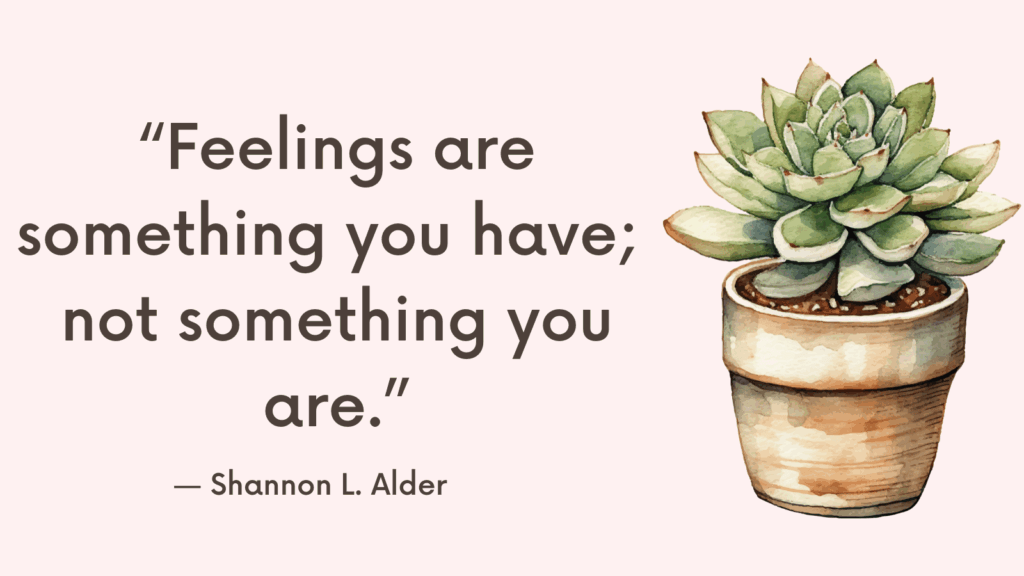
Believing in yourself isn’t about pretending you’re flawless or never doubting again. It’s about learning to trust your ability to grow, adapt, and recover — even when things go wrong. Self-belief is built, not inherited. It’s something you strengthen each time you keep a promise to yourself, face a fear, or take a step despite uncertainty. When you stop waiting for confidence to appear and start acting from self-trust, you slowly become the person you once hoped you could be.
What Self-Belief Really Means
Believing in yourself isn’t about constant confidence or never doubting your worth. It’s the quiet understanding that even when you fail, question, or struggle, you’re still capable of trying again. Self-belief is not loud—it’s steady. It’s built from the moments you chose to show up when no one was watching, the times you kept going even when no one was cheering.
The Disconnect Between Confidence and Worth
Many people think belief comes after success, but it usually works the other way around. You don’t start believing because you’ve proven yourself—you start proving yourself because you’ve chosen to believe. Waiting for evidence keeps you stuck; trusting yourself without it creates movement.
The Noise That Drowns It Out
Doubt often grows louder than self-belief because it borrows the voice of others—the criticism you heard, the comparisons you made, the mistakes you replay. Over time, those voices start sounding like your own. The work isn’t about silencing them completely—it’s about realizing they were never you to begin with.
Related: How Confident Am I Quiz (+Best 13 Tips on How to Carry Yourself with Confidence)
How to Believe in Yourself?
1. Acknowledge Your Inner Critic Without Letting It Lead
Everyone has an inner voice that questions their worth. Instead of trying to silence it, notice it. When you catch thoughts like “I can’t do this,” respond gently: “This is fear talking, not fact.” Awareness weakens self-doubt’s control.
2. Collect Small Proof That You Can
Confidence grows from evidence. Start by doing one small thing each day that challenges you — answering an email you’ve been avoiding, speaking up once in a meeting, finishing a task. Each act becomes quiet proof that you’re capable.
3. Keep Promises to Yourself
Each time you set an intention and follow through — no matter how small — you strengthen trust in yourself. Self-belief isn’t built through perfection; it’s built through consistency.
4. Remember That Progress Is Messy
Believing in yourself doesn’t mean expecting flawless success. It means trusting that setbacks don’t define you. Growth includes mistakes, pauses, and recalibration. Every stumble is still movement forward.
5. Speak to Yourself the Way You’d Speak to a Friend
If a friend said, “I failed,” you wouldn’t tell them they’re hopeless — you’d remind them of their effort and resilience. Practice offering yourself the same compassion. Harshness doesn’t motivate; kindness does.
Related: Best 21 Self Confidence Exercises For Adults
6. Stop Comparing Your Journey to Others
Comparison poisons self-belief by convincing you that your pace or path is wrong. Everyone’s timeline is different. Shift focus from “How far behind am I?” to “How far have I come?”
7. Reflect on Past Challenges You’ve Overcome
Think of a time you were afraid but did it anyway — and survived. Your history holds proof of your strength. Revisiting those memories reconnects you with your ability to handle what’s ahead.
8. Surround Yourself With People Who See Your Potential
Being around those who encourage you rather than diminish you strengthens belief. Choose people who celebrate effort, not just results, and who remind you of your value when you forget it.
9. Separate Fear From Fact
Self-doubt often disguises itself as realism. When your mind says, “I can’t,” ask, “Is that true — or am I just scared?” Naming fear takes away its power and replaces it with perspective.
10. Do Things Before You Feel Ready
Waiting until you feel confident keeps you stuck. Action comes first; confidence follows. Each time you take a small step despite hesitation, you train your brain to associate courage with movement, not perfection.
Related: How to Fake Confidence Until It Feels Real?
11. Create a Ritual of Self-Affirmation
Write or say three affirming truths daily — “I’m learning,” “I’m growing,” “I’m capable of change.” Repetition reshapes self-perception over time, turning belief into muscle memory.
12. Redefine Success as Effort, Not Outcome
You can’t always control results, but you can control your input. When success is measured by effort, every attempt becomes a win — and that mindset fuels resilience.
13. Learn to Sit With Discomfort
Confidence doesn’t mean comfort. It means being okay with uncertainty and trusting that discomfort won’t destroy you. The more you stay grounded through unease, the stronger your inner foundation grows.
14. Acknowledge Your Growth Regularly
Pause weekly to note what you’ve done well — not what’s left undone. This conscious recognition rewires your brain to see evidence of competence instead of failure.
15. Remind Yourself That You Are Becoming
Self-belief isn’t a single breakthrough — it’s a lifelong practice. You’re not meant to “arrive” at unshakable confidence; you’re meant to build it step by step. Every day you choose faith over fear, you reinforce that belief.
Related: 21-Day Confidence Challenge
Conclusion
Believing in yourself isn’t about never doubting again — it’s about refusing to let doubt decide for you. It’s choosing to act even when your voice trembles, to learn even when you stumble, and to trust that you are capable of becoming stronger than your fear. Confidence grows in small, daily moments of courage — the quiet proof that you already have what it takes to keep going.