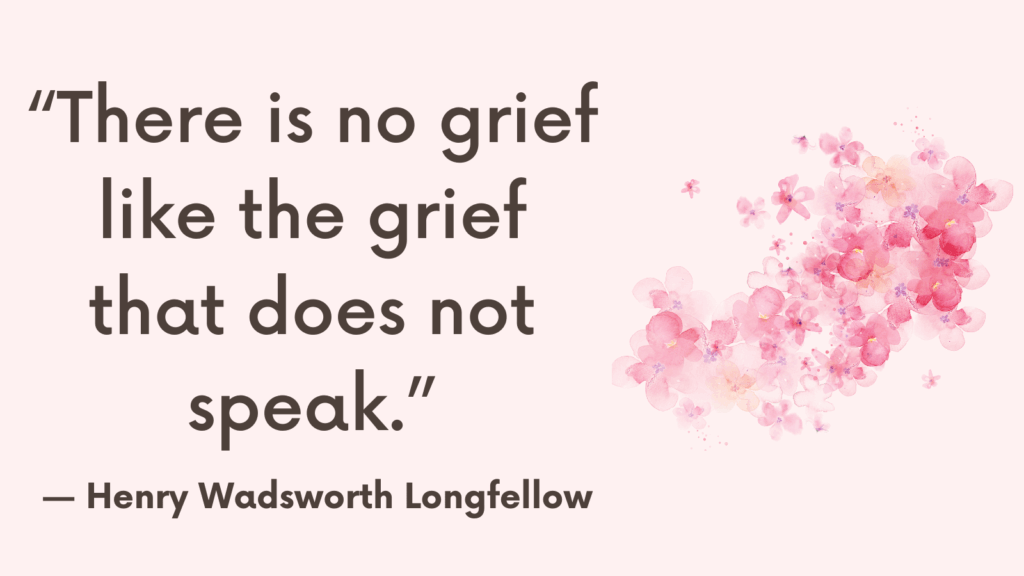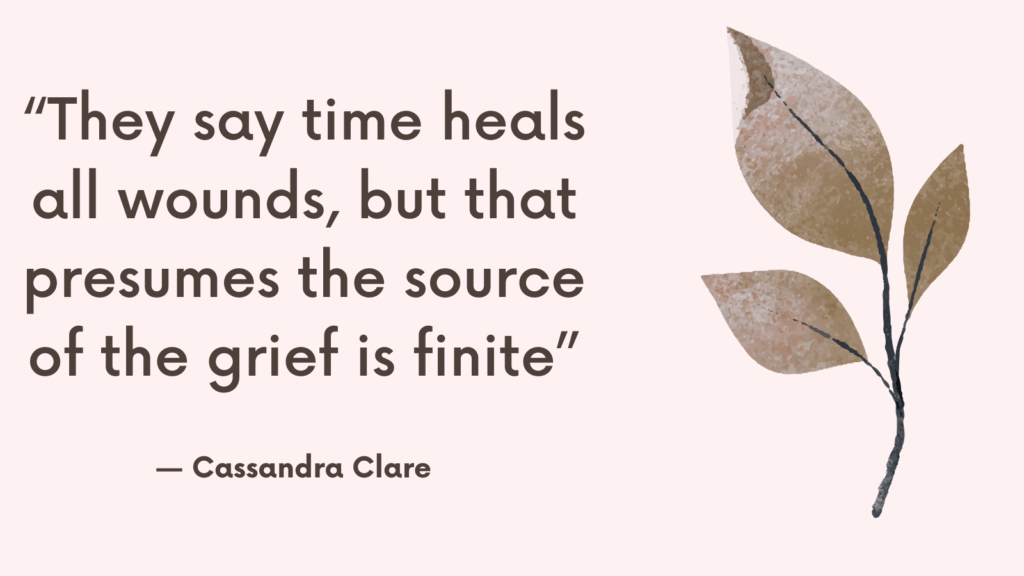
Anniversaries, birthdays, and unexpected reminders of loss can reopen grief that you thought had settled. These moments — dates on the calendar, a familiar song, a certain scent — remind you of what’s missing, sometimes catching you off guard. The pain that resurfaces isn’t regression; it’s remembrance. Coping with these emotional “grief spikes” is about creating space for both sorrow and meaning, honoring what was lost while allowing yourself to keep living fully.
Why These Dates Feel So Heavy
Significant dates magnify the absence. They make the loss feel fresh because they highlight contrast—the life that was versus the life that is. You may feel pressure to act “normal,” to celebrate or carry on, but your body and heart remember differently. The ache isn’t regression; it’s recognition. It’s your love remembering where it was once anchored.
The Emotional Ripple of Anticipation
Sometimes the hardest part isn’t the day itself—it’s the days leading up to it. Anticipation builds anxiety, sadness, or irritability before you even realize why. This emotional buildup is your mind preparing for impact. The heart braces before it breaks again, even gently.
Related: Grieving and Numb? These Worksheets Can Help You Sit with Loss and Heal
The Role of Triggers in Everyday Life
Triggers don’t only appear on anniversaries. A song, scent, season, or even a phrase can transport you back instantly. These reminders can feel random, but they’re your brain’s way of holding connection. Triggers don’t mean you haven’t healed—they mean you remember deeply.
How to Cope with Anniversaries, Birthdays, and Triggers After Loss?
1. Acknowledge That These Dates Will Carry Weight
Grief often intensifies around meaningful milestones. Instead of trying to ignore them, prepare for them. Saying, “This week might be hard,” is an act of self-awareness, not weakness. Anticipating pain helps you move through it with compassion instead of surprise.
2. Plan How You Want to Spend the Day
Structure can bring comfort when emotions feel unpredictable. Decide in advance whether you want to be alone, with family, in nature, or doing something quiet and reflective. There’s no right or wrong way to honor the day — only what feels genuine for you.
Related: Best 21 Grief Journaling Prompts (+FREE Grief Worksheets PDF)
3. Give Grief a Purposeful Outlet
Channel the day’s emotion into action: write a letter to the person you lost, cook their favorite meal, light a candle, visit a place that reminds you of them, or donate in their memory. Turning pain into ritual helps the energy of grief find expression rather than suppression.
4. Allow All Feelings Without Judgment
You may feel sad, numb, peaceful, or even angry. Sometimes you’ll cry; sometimes you won’t. Let each emotion come and go without deciding what it “should” look like. The goal isn’t to control the day but to allow yourself to move through it honestly.
5. Create New Traditions Alongside Old Ones
If certain rituals feel too painful, you’re allowed to change them. Maybe you celebrate differently each year — a quiet walk one time, a family gathering another. Evolving traditions help you stay connected to the memory while acknowledging that life continues to shift.
Related: Best +30 Grief Activities For Adults (+FREE Worksheets PDF)
6. Share Memories With Others Who Understand
Talking about the person or event you’ve lost keeps their memory alive in a meaningful way. Reach out to friends or family who knew them, or join a grief community. Shared remembrance softens loneliness and transforms private sorrow into collective healing.
7. Balance Remembrance With Grounding
If the day feels overwhelming, pair moments of reflection with grounding activities: a warm shower, deep breathing, journaling, or stepping outside. Alternating between grief and grounding helps regulate the nervous system so you don’t drown in emotion.
8. Limit Overstimulation and Obligations
You don’t owe anyone performance or celebration on painful anniversaries. Decline invitations or commitments if you need quiet. Protecting your energy is not avoidance — it’s emotional hygiene.
Related: Grief Comes In Waves: Top 12 Lessons From Grief No One Talks About
9. Prepare for Unexpected Triggers
Triggers often appear without warning — a scent, a sound, a familiar phrase. When they arise, pause, breathe, and remind yourself, “This is grief visiting again; it will pass.” Have a calming routine ready — a short walk, music, or gentle grounding statement — to steady yourself.
10. Revisit the Meaning of the Day Over Time
As years pass, the emotional tone of anniversaries may change. What once brought tears might later bring reflection or gratitude. Let your relationship with the day evolve naturally, without forcing it to look the same each year.
11. Include the Lost Person in Your Life in Subtle Ways
Keep their memory close through small acts — a photo on your desk, a favorite song played in their honor, or continuing something they loved. Integrating their presence into everyday life transforms absence into connection.
12. Seek Support When the Day Feels Too Heavy
If grief feels unbearable, talk to a counselor, grief therapist, or trusted person. Sometimes anniversaries can reopen deep wounds that deserve extra care. You don’t have to navigate those days alone.
Conclusion
Anniversaries and reminders after loss aren’t setbacks — they’re invitations to pause, remember, and honor love that still lives inside you. You can miss what’s gone and still live fully in what remains. Coping means allowing yourself to feel, choosing how to remember, and finding gentle rituals that turn pain into presence. Each time you face these moments with compassion instead of avoidance, you teach your heart how to hold grief with grace — not as an ending, but as a quiet, ongoing form of love.