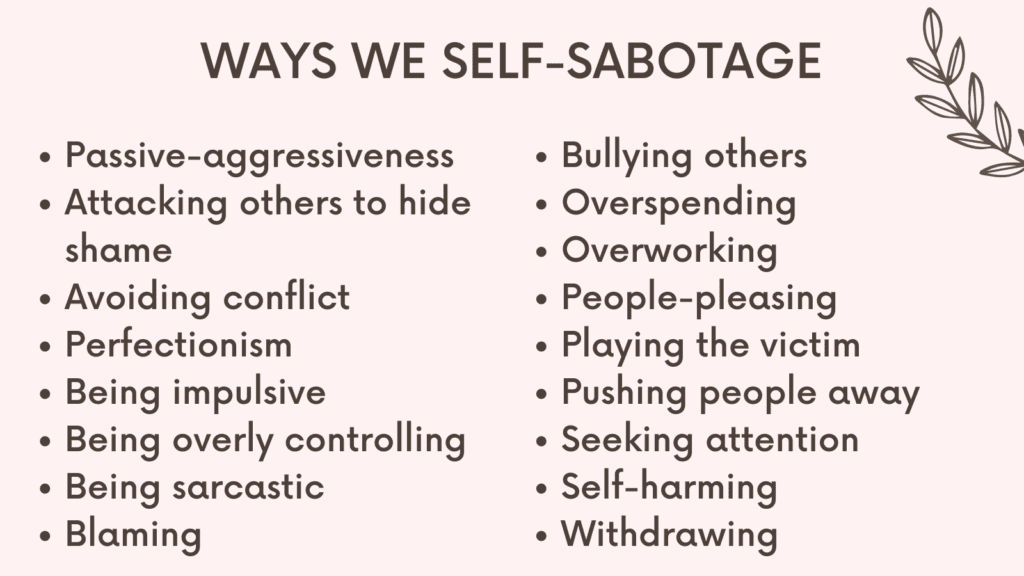
Self-punishment isn’t always obvious. It doesn’t just look like self-criticism or guilt — it can hide in overworking, emotional withdrawal, or constantly choosing situations that reinforce pain. Often, it’s a subconscious attempt to balance feelings of shame, regret, or unworthiness. Recognizing the subtle ways you punish yourself is the first step toward healing — because what you can name, you can change.
What Self-Punishment Really Is
Self-punishment isn’t always obvious. It’s not just self-blame or guilt—it’s the subtle ways you deny yourself peace, rest, or kindness because deep down, you feel you don’t deserve them. It often hides behind habits that look responsible or disciplined but are actually driven by shame, regret, or a belief that you must “earn” worthiness again.
Why It Happens
- Unresolved guilt or shame: Feeling you must suffer to make things right.
- Internalized criticism: Growing up in environments where mistakes were met with judgment.
- Fear of repeating the past: Believing punishment keeps you from doing wrong again.
- Low self-worth: Seeing comfort and love as rewards instead of rights.
- Emotional avoidance: Focusing on self-punishment distracts from deeper pain or grief.
Related: Best 7 Self Sabotage Books
How to Recognize Hidden Forms of Self-Punishment?
1. Overworking to Prove Your Worth
Working hard becomes self-punishment when it’s driven by guilt rather than purpose. You may push yourself past exhaustion, believing rest must be earned or fearing that slowing down makes you “lazy” or “undeserving.”
Try This
Ask yourself, “Am I working to achieve something — or to avoid feeling something?” True productivity flows from self-respect, not self-punishment.
2. Denying Yourself Rest or Joy
Some people subconsciously withhold pleasure, thinking they don’t deserve happiness until they’ve “made up” for something. You may cancel plans, resist celebrating achievements, or feel guilty for relaxing.
Try This
Notice moments when joy feels uncomfortable. Ask, “What story am I telling myself about why I can’t enjoy this?” Letting yourself rest is an act of repair, not indulgence.
3. Replaying Mistakes in Your Mind
Endless mental replay of past regrets keeps you trapped in emotional punishment. Rumination masquerades as responsibility but serves only to reinforce shame.
Try This
When your mind replays an old scene, pause and say, “That moment has passed; I’m choosing growth now.” Redirect the energy toward learning, not reliving.
4. Staying in Unfulfilling or Hurtful Situations
Sometimes self-punishment shows up as staying where you’re mistreated — jobs, relationships, or environments that continually drain you. On a deeper level, you might believe you don’t deserve better.
Try This
Ask, “If I believed I was worthy of peace, would I still stay here?” Self-worth and self-protection grow together.
Related: Best 21 Self Sabotage Journal Prompts
5. Rejecting Compliments or Good Things
If praise or kindness feels uncomfortable, you might unconsciously reject positivity as if it’s undeserved. This keeps you emotionally stuck in self-blame.
Try This
When someone offers a compliment, pause and simply say, “Thank you.” Let the good in, even if it feels unfamiliar.
6. Over-Apologizing or Taking Excessive Responsibility
Apologizing constantly — even for things beyond your control — can be a subtle way of punishing yourself through guilt. It reinforces a false belief that you’re always the problem.
Try This
Before apologizing, ask, “Did I actually do something wrong, or am I trying to avoid conflict or guilt?” Accountability doesn’t require self-erasure.
7. Avoiding Success or Sabotaging Opportunities
Turning down growth or happiness can be a quiet form of self-punishment — a way of staying “safe” in familiar discomfort. Subconsciously, you may fear that joy or success threatens your self-concept as undeserving.
Try This
When you hesitate to pursue something positive, ask, “Am I protecting myself — or punishing myself?” Courage often feels uncomfortable but healing.
Related: Best 18 Self Compassion Journal Prompts (+FREE Worksheets)
8. Comparing Yourself Relentlessly to Others
Constant comparison can be an emotional weapon you turn inward. Measuring yourself against others reinforces inadequacy and prevents peace.
Try This
Notice comparison triggers and gently shift to self-compassion: “Their success doesn’t diminish mine. I’m allowed to grow at my own pace.”
9. Using Self-Criticism as Motivation
You may believe harsh self-talk keeps you accountable. In reality, it often reinforces fear and paralysis. Self-criticism punishes; self-compassion motivates.
Try This
Replace “What’s wrong with me?” with “What can I learn from this?” Curiosity invites progress where judgment blocks it.
10. Ignoring Your Own Needs
Neglecting your body’s hunger, fatigue, or emotional signals is a quiet but powerful form of self-punishment. It communicates, “My needs don’t matter.”
Try This
Start with small acts of care — eating when hungry, resting when tired, asking for help when needed. Each act tells your nervous system, “I’m safe to receive.”
Related: How To Be Gentle With Yourself? Top 5 Ways To Practice Self-Compassion
11. Seeking Relationships That Mirror Old Pain
Sometimes we unconsciously choose partners or friendships that replicate familiar hurt, believing that enduring it again might finally make it feel resolved. This is self-punishment disguised as love.
Try This
Reflect on patterns: “Do I feel most drawn to people who challenge my self-worth?” Healing means choosing peace, not repetition.
12. Turning Down Help or Support
Refusing help when it’s offered may seem like independence, but it can also be punishment — a belief that you must “carry it alone” to atone for past mistakes.
Try This
When someone offers help, practice saying yes. Receiving support doesn’t erase responsibility — it restores balance.
Related: Best 10 Self Compassion Books
13. Expecting Perfection as the Only Redemption
Perfectionism often hides deep guilt. When you believe only flawless behavior can make you “good again,” you set an impossible bar and ensure constant self-punishment.
Try This
Replace perfection with progress. Tell yourself, “I can grow without being perfect.” Humanity is not failure — it’s freedom.
14. Feeling Uncomfortable When Life Feels Peaceful
If calm feels foreign, you may unconsciously recreate chaos. When self-punishment is familiar, peace can feel unsafe.
Try This
When you notice discomfort in stillness, remind yourself: “Peace doesn’t mean danger. It means healing.” Let safety become your new normal.
15. Interpreting Compassion as Weakness
If you equate kindness with avoidance or weakness, you may resist self-compassion and stay stuck in punishment mode. True compassion is strength — it builds the courage to face truth without cruelty.
Try This
Each time you feel the urge to be harsh with yourself, ask, “What would it look like to tell the truth kindly?”
Related: Top 18 Self Esteem Exercises (+FREE CBT For Self-Esteem Worksheets PDF)
Conclusion
Self-punishment thrives in disguise — hidden behind busyness, guilt, or self-denial. Recognizing its subtle forms is an act of awakening, not judgment. When you stop mistaking pain for responsibility, you open the door to real healing. You don’t need to keep paying for old wounds — you only need to start treating yourself like someone who’s finally ready to heal, not someone who still deserves to hurt.