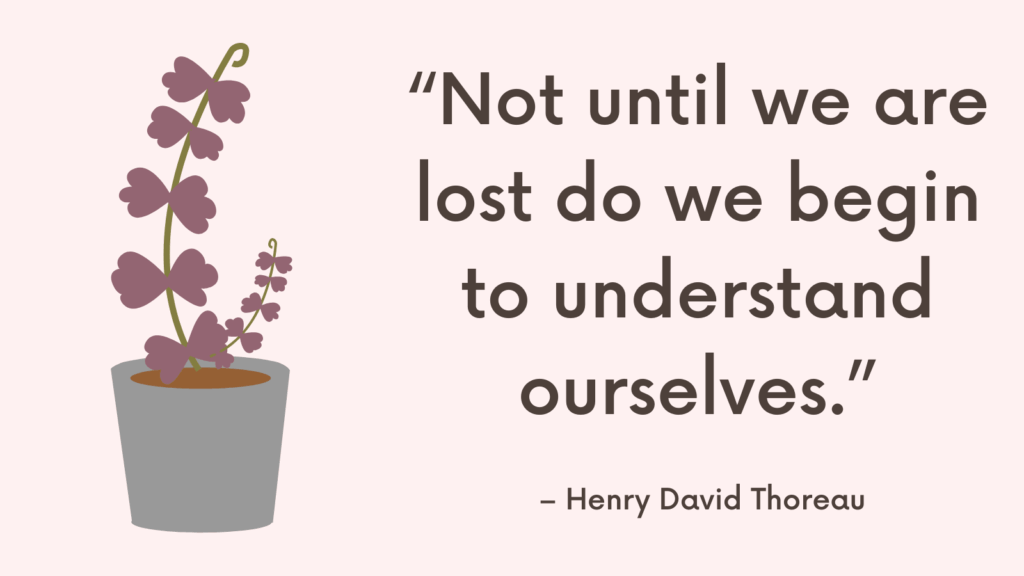
Terminations are part of the work, yet some endings land heavier than others. Receiving a handwritten letter instead of an email, text, or in-session goodbye can intensify the emotional impact. It can feel abrupt, intimate, confusing, or even heartbreaking. When the relationship was long-term and meaningful, the loss may echo far beyond professional boundaries.
This kind of ending often stirs grief, self-doubt, and unanswered questions all at once. And while therapists intellectually understand that clients have the right to leave at any time, the emotional experience of being left can still be deeply human.
- Why a Letter Can Feel So Different
- The Grief Is Real and Valid
- What the Letter Likely Means and What It May Not
- The Urge to Respond and Its Emotional Roots
- Holding Professional Boundaries While Honoring the Bond
- When Supervision Becomes Essential
- Making Meaning Without Self-Attack
- Letting the Ending Be What It Is
- Conclusion
Why a Letter Can Feel So Different
A letter carries weight. It takes time, intention, and emotional effort. Unlike a quick email, it can feel more final and more personal at the same time. For some therapists, that can deepen the sense of loss rather than soften it.
A letter can also remove the chance for immediate relational repair, closure, or real-time understanding. There is no shared space to process it together. The ending happens in silence, which can leave the nervous system stuck in unanswered “why” questions.
The Grief Is Real and Valid
Even when termination is healthy or neutral for the client, the therapist can still feel grief. This grief may include:
- Sadness over the loss of a meaningful relationship
- A sense of being discarded or replaced
- Doubt about one’s competence or impact
- Shock at the suddenness of the ending
- Loneliness in holding the feelings privately
These reactions do not mean boundaries are broken or that something unethical has occurred. They mean that attachment existed, and attachment always carries the potential for loss.
Related: CBT Worksheets Bundle (FREE PFD Download)
What the Letter Likely Means and What It May Not
When a client writes that the reasons are “unrelated to therapy,” that may be true in a literal sense. It may also be protective language meant to reduce discomfort, guilt, or emotional complexity. Some clients leave to avoid difficult conversations, rupture repair, or dependency feelings. Others leave because of finances, life changes, illness, relocation, or overwhelm.
What matters most is this: the letter reflects the client’s current capacity and choice. It does not automatically reflect failure, rejection, or inadequacy on your part.
The Urge to Respond and Its Emotional Roots
Many therapists feel a strong pull to respond, clarify, affirm, or repair. This can come from:
- A wish for mutual closure
- A need to confirm the relationship mattered
- A fear of being misrepresented or misunderstood
- A desire to soothe one’s own grief
- A protector part that wants control over the ending
It is important to gently examine whose needs a response would primarily serve. Sometimes a short, boundaried acknowledgment truly supports the client. Other times, silence may better honor the client’s autonomy.
Holding Professional Boundaries While Honoring the Bond
A therapist can both respect the ending and still grieve privately. Those truths are not in conflict. Healthy boundaries do not require emotional numbness. They simply require that emotional processing happens in supervision, consultation, or personal therapy rather than with the former client.
The therapeutic relationship was real. The ending matters. And yet, the client no longer holds responsibility for the therapist’s emotional integration of the loss.
Related: How To Write Therapy Notes Faster and More Efficiently?
When Supervision Becomes Essential
This kind of termination is exactly what supervision is for. It creates space to explore:
- Countertransference and attachment patterns
- Old abandonment wounds that may be activated
- The meaning being made about the self as a clinician
- The grief that cannot be expressed directly to the client
- The balance between care and professional detachment
Supervision helps transform pain into insight rather than internalized self-blame.
Making Meaning Without Self-Attack
It is common to mentally review every session, every intervention, every missed signal. Some reflection is natural and even useful. But when reflection becomes self-punishment, it stops being clinically productive.
Not every ending is meant to be tidy. Not every client can tolerate a clean goodbye. Not every meaningful relationship is meant to be consciously completed.
Letting the Ending Be What It Is
Some endings resolve with shared words and mutual gratitude. Others end quietly and without witness. Both are real. Both carry weight. Neither erases the work that happened in between.
The relationship existed. The growth existed. The connection existed. A letter does not undo that.
Related: Best 12 Books For Therapists

Conclusion
Being terminated by letter can hurt in a deep, quiet way. It can activate grief, longing, confusion, and vulnerability all at once. These feelings do not mean something went wrong. They mean something mattered.
Therapists are not machines built for clean endings. They are humans who build meaning through connection. Allowing that truth without turning it into self-judgment is part of the long, often unseen emotional labor of this profession.