Anger is not the problem — the buildup, suppression, or explosive release is. Anger is a signal that something feels unfair, overwhelming, disrespectful, or emotionally painful. Healthy expression is about honoring that signal without harming yourself, others, or your relationships. When anger is expressed with clarity instead of chaos, it becomes a tool for protection, communication, and boundary-setting rather than destruction.
What Anger Is Actually Trying to Do
Anger is not simply an outburst or a loss of control. It’s a protective signal. It rises to alert you that something felt unfair, overwhelming, or unsafe. Healthy anger is meant to create clarity, boundaries, and movement. Unhealthy anger appears when the signal has been ignored for too long or when the nervous system doesn’t feel permitted to express itself in safer forms.
Why Expressing Anger Feels So Difficult
Many people fear anger because early experiences taught them that anger leads to rejection, conflict, punishment, or shame. Others were taught that anger is unlovable or “too much.” As a result, they suppress it until it bursts, or they disconnect from it entirely. Either way, the suppression—not the emotion—is what becomes harmful.
How to Express Anger in Healthy Ways?
1. Acknowledge the Anger Instead of Pushing It Down
Suppressing anger doesn’t make it disappear — it stores it. Simply admitting “I feel angry” is the first step toward expressing it constructively. Naming the emotion reduces its intensity.
2. Allow Space Before Responding
Immediate reactions tend to be fueled by adrenaline, not clarity. Taking space — a few minutes, a short walk, a pause — helps you express anger intentionally instead of impulsively.
3. Identify the Real Source of the Anger
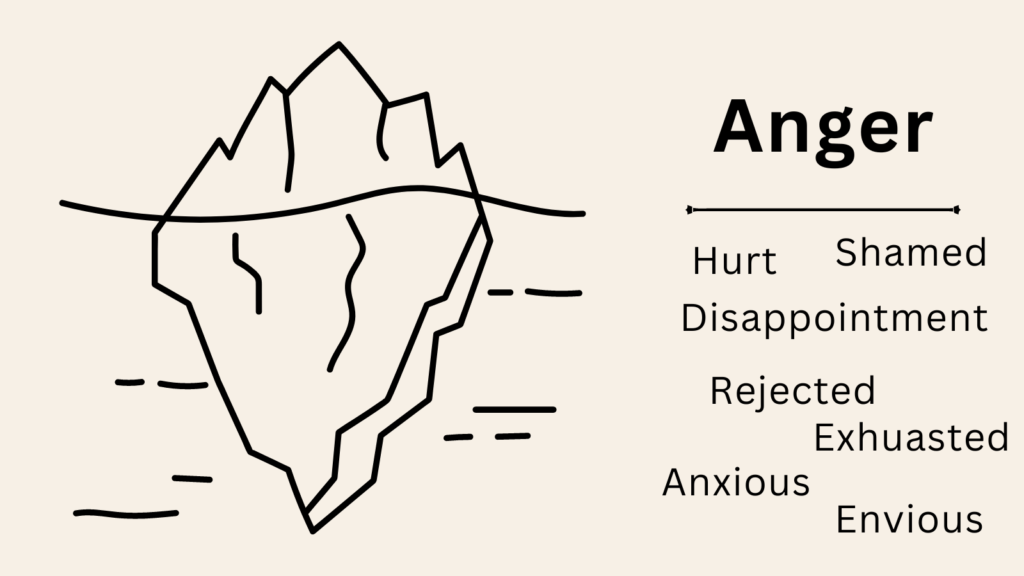
Anger often masks deeper feelings such as hurt, fear, betrayal, or disappointment. Naming the underlying emotion helps you express what truly needs to be addressed rather than venting at the nearest target.
4. Use “I” Statements That Focus on Impact, Not Attack
Healthy anger communicates without blaming. Statements like “I felt dismissed when…” or “I need more clarity because…” keep the conversation grounded and avoid escalation.
5. Express Anger Through Tone, Not Volume
You do not need to yell to be firm. A steady, clear voice conveys seriousness without aggression. Healthy anger is strong but controlled, direct but respectful.
Related: Beyond Just Anger: How to Manage Intermittent Explosive Disorder?
6. Separate the Person From the Problem
Instead of “You always…” or “You never…,” focus on the situation. This keeps the other person from becoming defensive and helps keep the conversation productive rather than explosive.
7. Set Boundaries Around What You Will and Will Not Engage In
Sometimes the healthiest anger expression is saying, “I’m not discussing this while it feels disrespectful,” or “I’ll continue when we can talk calmly.” Boundaries show self-respect and prevent emotional escalation.
8. Release Anger Through Physical Movement
Anger carries physical energy that needs somewhere to go. Exercise, stretching, walking, shaking out your hands, or even pacing can help discharge intensity so your words are calmer and clearer.
9. Write Out What You Want to Say Before You Say It
Journaling your thoughts gives you clarity and prevents impulsive reactions. It helps you identify the core problem, the request you want to make, and what you need moving forward.
10. Express Anger Through Calm Honesty Instead of Sarcasm or Withdrawal
Sarcasm, silence, and passive-aggression are indirect forms of anger that create confusion and resentment. Clear, simple honesty strengthens communication and reduces long-term conflict.
Related: Top 14 CBT Exercise For Anger Management (+FREE Anger Worksheets)
11. Focus on What You Need More Than What You Didn’t Get
Anger often arises from unmet needs. Turning frustration into a request (“I need more transparency” or “I need a break right now”) transforms anger into actionable communication.
12. Allow Yourself to Feel Anger Fully Without Judging It
Healthy expression requires giving yourself permission to feel. Anger is a human emotion — not a moral failure. Treating anger as information instead of something shameful helps you respond thoughtfully.
13. Avoid Venting That Rehearses the Problem Instead of Releasing It
Repeated venting without reflection can intensify anger. Healthy venting expresses emotion but also leads you toward clarity or resolution.
14. Use Assertiveness Instead of Aggression
Assertiveness is direct, honest, and respectful. Aggression is controlling, hostile, or punishing. Healthy anger expresses needs without intimidating or overpowering the other person.
15. Distinguish Between a Momentary Reaction and a Pattern
Some situations trigger anger because they remind you of past wounds. Recognizing this helps you respond to the present moment instead of reacting to previous experiences.
Related: Assertive Anger: What It Is & How to Practice It
16. Take Responsibility for Your Side Without Minimizing Theirs
Healthy anger expression acknowledges your contribution while still communicating your truth. This keeps the conversation balanced rather than accusatory.
17. Know When to End the Conversation
If a discussion becomes unproductive, heated, or disrespectful, stepping away protects everyone involved. Ending a conversation is not avoidance — it is emotional management.
18. Use Anger as a Signal for Needed Change
Instead of viewing anger as disruption, treat it as guidance. Anger often points directly to what needs to shift — a boundary, a habit, a dynamic, or an expectation.
19. Practice Expressing Anger in Small Moments
You don’t need to wait for a major conflict. Express mild irritation or discomfort early. Early expression prevents explosions later and helps normalize healthy communication.
20. Treat Yourself With Compassion After Expressing Anger
Many people feel guilty after communicating anger. Remind yourself that expressing your feelings respectfully is a form of self-care. Healthy anger strengthens relationships by bringing truth into the open.
Related: Anger Iceberg: How to Use It (+FREE Anger Iceberg Worksheet PDF)
Conclusion
Healthy anger expression is not about suppressing or releasing it forcefully. It is about channeling it into clarity, boundaries, honesty, and self-respect. When anger becomes a communication tool rather than a reaction, it stops controlling you — and starts guiding you toward healthier relationships and a calmer inner life.