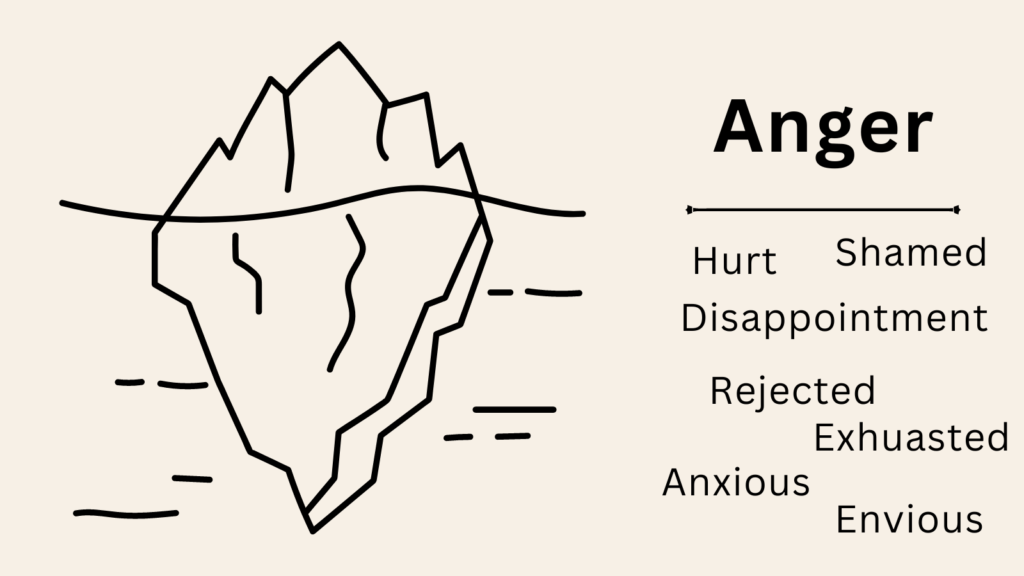
Chronic anger isn’t just about irritability, short temper, or frequent outbursts. It’s a long-term emotional pattern shaped by old pain, unmet needs, unresolved hurt, and learned survival strategies. When anger becomes the default, it usually means something deeper has been neglected for a long time. Healing chronic anger requires understanding where it comes from and tending to the wounds beneath it — not suppressing it, and not exploding, but listening to what it’s trying to tell you.
What Chronic Anger Really Is
Chronic anger is not just “being angry a lot.” It’s a long-term state of emotional tension created by years of unmet needs, unresolved wounds, and accumulated stress. It’s anger that has become a habit — not because you want it, but because your nervous system has learned it as a default. Chronic anger is often the visible symptom of emotional injuries that were never given space, safety, or resolution.
How to Heal the Roots of Chronic Anger?
1. Understand That Chronic Anger Is a Symptom, Not the Core Problem
Chronic anger often arises because something inside you has been ignored, invalidated, or overwhelmed for too long. Instead of labeling yourself as an “angry person,” recognize the anger as a signal pointing to deeper emotional pain.
2. Identify the Unmet Needs Hidden Beneath Anger
Anger frequently masks needs for respect, safety, autonomy, connection, rest, or understanding. When these needs go unmet again and again, anger becomes the outward expression of long-held frustration.
3. Explore the Old Wounds That Never Received Closure
Past betrayals, dismissive caregivers, humiliating experiences, or childhood environments where emotions weren’t allowed often shape chronic anger. Naming these origins begins the healing process by giving clarity to what the anger has been defending.
4. Recognize Where You Learned to Use Anger as Protection
For many people, anger became the only acceptable emotion — a shield against vulnerability, sadness, fear, or shame. Understanding how anger protected you helps you soften your relationship with it and explore alternative forms of expression.
5. Notice When Anger Appears Instead of Vulnerability
If you often react with anger when you’re actually hurt, embarrassed, or afraid, this pattern reveals that softer emotions feel unsafe. Healing requires building tolerance for these underlying feelings instead of defaulting to anger.
6. Understand How Chronic Stress Fuels Chronic Anger
Long-term stress from work, relationships, financial pressure, or caregiving can create emotional overload. When stress accumulates with no relief, anger becomes the quickest release point.
Related: Beyond Just Anger: How to Manage Intermittent Explosive Disorder?
7. Examine the Beliefs You Formed About Yourself During Hard Moments
Beliefs like “I have to handle everything alone,” “No one listens unless I raise my voice,” or “I’m not allowed to be weak” create inner pressure that turns into resentment and anger over time.
8. Identify the Patterns of Resentment You’ve Carried
Resentment builds when you repeatedly suppress your needs or tolerate situations that hurt you. Chronic resentment is a major source of chronic anger and reveals where boundaries are needed.
9. Ask Yourself What Your Anger Has Been Trying to Protect
Anger may be guarding parts of you that felt unheard, unsafe, or undervalued. When you explore what those parts needed, the anger becomes less intense and less automatic.
10. Explore How Powerlessness Has Shaped Your Anger
Chronic anger often grows from situations where you felt controlled, dismissed, or helpless. Reclaiming a sense of agency — even in small ways — reduces anger at its core.
11. Reflect on Times When Your Emotional Limits Were Ignored
If you grew up in an environment where your discomfort didn’t matter, you may now react intensely to small boundary violations. Past emotional neglect often echoes in present frustration.
12. Notice When Anger Shows Up as Self-Protection in Relationships
People who have been hurt repeatedly may use anger to create emotional distance. Recognizing this pattern helps you differentiate old fear from present reality.
Related: Top 14 CBT Exercise For Anger Management (+FREE Anger Worksheets)
13. Understand How Chronic Anger Is Reinforced Internally
Repeating negative narratives, mentally replaying injustices, or clinging to stories of betrayal keeps anger alive. Changing internal storytelling softens long-term anger.
14. Explore Your Relationship With Control
Chronic anger often grows from fear of unpredictability. If you feel safe only when everything is controlled, any disruption may trigger anger. Healing requires allowing life to be imperfect without interpreting imperfection as a threat.
15. Identify the Emotional Exhaustion Behind Your Anger
Many people who feel angry all the time are actually overwhelmed, depleted, and emotionally tired. Rest, not discipline, is often the real medicine for chronic anger.
16. Examine Which Boundaries You’ve Never Learned to Set
Chronic anger frequently shows up where boundaries are absent. When you overextend, people-please, or tolerate too much, anger emerges as the final line of defense.
17. Explore How Childhood Modeling Influenced You
If anger was modeled as the only acceptable emotion (or the only way conflict was handled), you may have internalized it as your primary tool. Recognizing this programming helps you choose differently.
Related: Assertive Anger: What It Is & How to Practice It
18. Notice the Stories You Tell About People Who Hurt You
Unhealed anger often comes from believing others acted intentionally to harm you. Sometimes this is true — but often, people were acting from their own wounds. Understanding this does not excuse harm, but it reduces emotional intensity.
19. Acknowledge the Grief Beneath the Anger
Grief over lost opportunities, broken trust, unmet needs, or past versions of yourself is often stored as anger. Allowing yourself to grieve softens what anger has been holding together.
20. See Anger as a Messenger, Not an Enemy
Chronic anger loses its intensity when you stop fighting it and start listening. When you understand the message — the unmet needs, the old wounds, the internal pressure — the anger no longer has to shout.
Related: Anger Iceberg: How to Use It (+FREE Anger Iceberg Worksheet PDF)

Conclusion
Healing the roots of chronic anger means tending to the parts of you that were ignored, hurt, overburdened, or silenced. Anger becomes less dominant when the pain it’s protecting finally receives care. As you understand what your anger has been guarding, the anger itself becomes less necessary — making space for calm, clarity, and emotional steadiness to grow in its place.