Anger toward yourself can feel heavier than anger toward anyone else. It lingers quietly, shapes how you speak to yourself, influences the choices you believe you deserve, and turns mistakes into evidence against your worth. Self-directed anger usually forms when you hold yourself to impossible standards, blame yourself for past pain, or believe you should have known or done better. Healing this kind of anger requires compassion, clarity, and a willingness to see yourself through a more truthful lens.
What Self-Directed Anger Really Is
Anger toward yourself isn’t just frustration. It’s the emotional backlash of years of self-blame, perfectionism, regret, internalized criticism, and unmet expectations. It is the mind turning the energy of pain inward when it doesn’t feel safe, allowed, or capable of directing it outward. Self-anger is not a moral failing — it’s a coping mechanism that has nowhere else to go.
Why Anger Turns Inward Instead of Outward
People often become angry at themselves because expressing anger externally once felt dangerous or forbidden. If you grew up in environments where speaking up led to punishment, conflict, shame, or withdrawal of affection, your nervous system learned to internalize the anger instead. Self-anger becomes the “safer” target.
The Emotional Roots Beneath Self-Anger
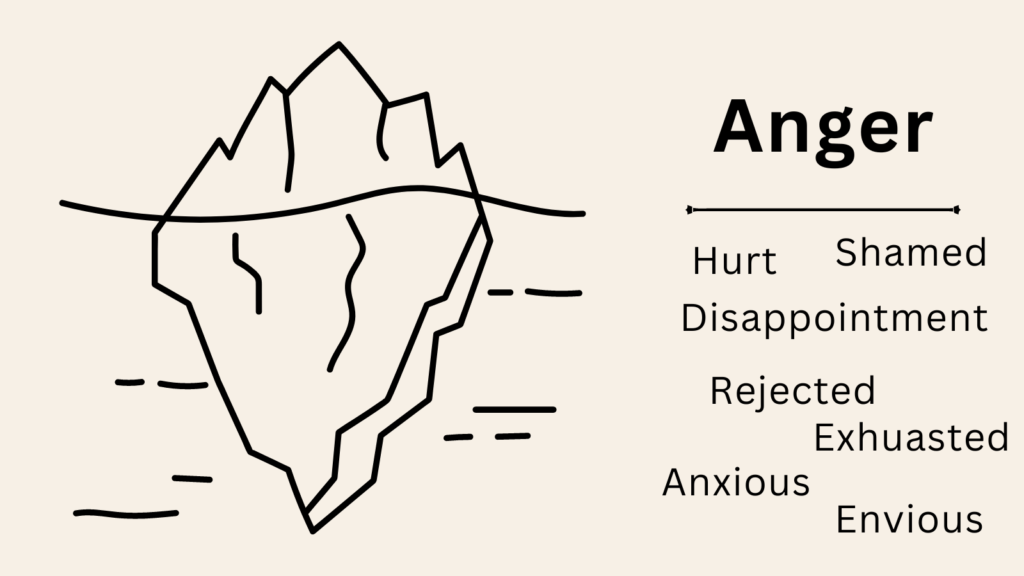
Self-anger usually hides other emotions you weren’t taught to hold:
Grief for what you didn’t know
Shame for being imperfect
Fear of repeating old patterns
Sadness about who you used to be
Regret for choices you made while trying to survive
Loneliness from carrying pain alone
Self-anger is often the mask for wounds that never felt allowed to surface.
How Internalized Criticism Shapes the Inner Voice
Over time, self-anger becomes a familiar narrative:
“You should’ve known better.”
“You always mess things up.”
“Why can’t you be like everyone else?”
“You deserved what happened.”
“You ruined your chances.”
This voice is rarely your own. It is the internal echo of past criticism that became fused with your identity.
Related: Beyond Just Anger: How to Manage Intermittent Explosive Disorder?
How to Heal Anger Toward Yourself?
1. Acknowledge That Your Anger Has a Story
Self-anger is never random. It comes from expectations you couldn’t meet, roles you felt forced into, moments you didn’t understand, or pain you never processed. Naming where it came from gives it context instead of letting it define you.
2. Separate What You Did From Who You Are
Self-anger often turns a behavior into an identity: “I made a mistake” becomes “I am a mistake.” This fusion creates internal hostility. Separating action from identity allows space for growth instead of self-punishment.
3. Recognize the Standards You’ve Been Holding
Many people are angry at themselves for not meeting expectations that were unrealistic from the start — perfection, emotional strength, constant availability, or never needing help. Identifying these impossible standards softens self-criticism.
4. Notice When Your Self-Anger Is Actually Grief
Sometimes you’re not angry at yourself — you’re grieving lost years, opportunities, innocence, or the version of you that didn’t get what they needed. When grief is misinterpreted as self-blame, healing becomes harder.
5. Understand Who Taught You to Be Harsh With Yourself
Harsh inner criticism doesn’t appear on its own. It often mirrors voices from childhood, relationships, or environments where you felt judged, dismissed, or never enough. The anger you carry may not be yours originally.
Related: Top 14 CBT Exercise For Anger Management (+FREE Anger Worksheets)
6. Identify the Unmet Need Behind the Anger
Self-directed anger often hides needs for rest, support, safety, understanding, or compassion. When these needs go unmet, you may turn inward with blame. Naming the need gives anger somewhere to go.
7. Stop Retelling Your Past With Hindsight Perfectionism
You’re angry at yourself for decisions you made without the knowledge or stability you have now. Hindsight makes it easy to judge past choices unfairly. You did the best you could with who you were then.
8. Notice How Self-Anger Shows Up in Your Body
Tension, clenched muscles, heaviness, and restlessness often reflect internal conflict. Recognizing these physical signs helps you pause instead of reacting through self-criticism.
9. Examine the Belief That Anger Makes You Better
Some people believe being hard on themselves keeps them disciplined, responsible, or worthy. But self-directed anger erodes confidence, motivation, and emotional resilience.
Related: Assertive Anger: What It Is & How to Practice It
10. Ask What You Wish Someone Else Had Done for You
Often, the anger toward yourself comes from a moment when you needed protection, comfort, or guidance — and didn’t receive it. Your anger may reflect someone else’s absence, not your failure.
11. Make Room for Mistakes as Part of Being Human
Perfectionism and self-anger travel together. When mistakes are treated as proof of inadequacy instead of natural learning, anger becomes chronic. Normalizing mistakes releases pressure.
12. Identify the Self-Betrayals That Trigger Your Anger
Breaking your own boundaries, ignoring your needs, or abandoning your inner voice creates internal conflict. These betrayals often lead to anger that accumulates until acknowledged.
13. Challenge the Belief That You Should Have “Known Better”
You learn by living, not by predicting. Expecting your past self to have wisdom they hadn’t earned yet is a form of cruelty disguised as accountability.
14. Notice How Much of Your Self-Anger Comes From Shame
Shame whispers that you’re unworthy, unlovable, or fundamentally flawed. Anger often becomes the armor that hides shame. Healing requires softening the shame, not hardening the anger.
15. Reflect on How Much You’ve Survived
Self-anger often ignores resilience. You survived hard moments, made choices under pressure, and navigated circumstances others know nothing about. Recognizing your endurance helps dissolve harshness.
Related: Anger Iceberg: How to Use It (+FREE Anger Iceberg Worksheet PDF)
16. Understand Where You Expected Yourself to Be by Now
Self-anger often comes from comparing your life to imagined timelines. These timelines are rarely fair or realistic. Letting go of them removes a major source of internal frustration.
17. Ask What You Would Tell Someone You Love in the Same Situation
We often offer compassion outwardly that we deny ourselves. Speaking to yourself with the same gentleness you offer others creates internal safety and reduces anger.
18. Revisit the Choices You Judge Yourself For With Compassion
Look at the context, stress, fear, confusion, or lack of guidance you felt at the time. When you see your past self clearly, anger turns into understanding.
19. Let Go of the Idea That Punishing Yourself Creates Change
Self-punishment keeps you stuck. Change comes from clarity, consistency, and self-respect — never from emotional self-destruction.
Related: Best 10 Anger Management Books And Workbooks

Conclusion
Healing anger toward yourself is about rewriting the internal relationship you have with your own humanity. You deserved compassion at the moment that created the anger. You deserve compassion now. And your future self will grow stronger, not from being punished, but from being understood.