When irritability becomes your default state, everything feels harder — conversations, small tasks, social interactions, even rest. Baseline irritability usually builds quietly over time through stress, emotional overload, unmet needs, poor boundaries, or chronic tension. It is not a personality flaw. It is a sign that your internal system is carrying more pressure than it can comfortably hold. Lowering irritability requires creating more emotional space, reducing internal friction, and meeting your underlying needs before they erupt as frustration.
Why Irritability Becomes a Default Setting
Irritability often becomes chronic when your system has adapted to prolonged stress. Your body learns to stay slightly braced. Muscles stay tight. Thoughts stay fast. Emotions stay just below the surface. Over time, irritability becomes the nervous system’s resting place, not a reaction to anything specific.
How to Lower Baseline Irritability?
1. Identify What Your Irritability Is Protecting
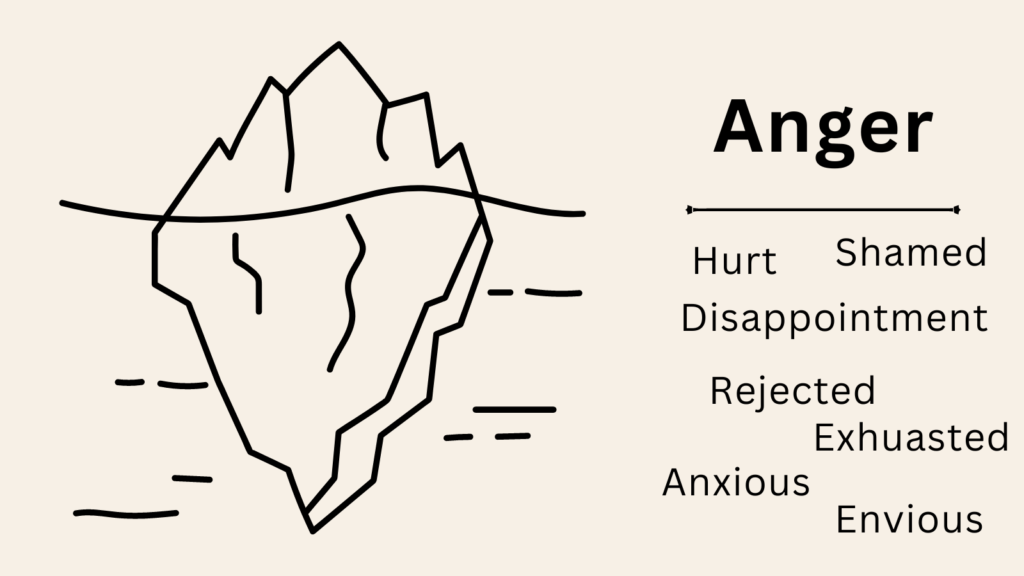
Irritability often shows up when another emotion feels too vulnerable or overwhelming — sadness, anxiety, disappointment, or fatigue. Noticing what irritability is covering helps you respond to the real issue instead of reacting to everything around you.
2. Notice the Exact Moments Irritability Spikes
Pay attention to when it rises: certain environments, people, topics, times of day, or states of exhaustion. These patterns reveal what is draining your energy so you can address the source rather than blaming yourself for the reaction.
3. Reduce the Mental Load You Carry Unconsciously
Chronic irritability often comes from constantly managing thoughts, responsibilities, and invisible tasks in your head. Write things down, simplify choices, or spread out responsibilities. A lighter mental load means less emotional friction.
4. Lower Your Daily Stimulation Level
Constant noise, notifications, bright screens, and multitasking keep your system on high alert. Reducing sensory input — even for small periods — helps your baseline calm return.
5. Check Whether You’re Consistently Overextending Yourself
Irritability rises when you say yes too often, skip rest, or hold emotional responsibility for everyone around you. Overextension breeds resentment and short-temperedness. Protecting your time protects your patience.
6. Make Sleep a Non-Negotiable Priority
Sleep deprivation amplifies irritability more than almost anything else. If your baseline is high, examine sleep quality first. Establishing better sleep rhythms often reduces irritability before any other intervention.
Related: Beyond Just Anger: How to Manage Intermittent Explosive Disorder?
7. Observe Your Self-Talk During Irritated Moments
Irritability worsens when your internal dialogue is harsh, impatient, or demanding. Softer self-talk reduces pressure and makes irritability feel manageable instead of explosive.
8. Reduce Hidden Sources of Physical Tension
Tight shoulders, clenched jaw, shallow breathing, and stiff posture create background discomfort that turns into irritability. Stretching, gentle movement, or loosening your posture interrupts this buildup.
9. Create Longer Transitions Between Tasks
Jumping from one responsibility to another without pause keeps you in a constant state of urgency. Even small transitions — 30 seconds of stillness, a glass of water, a quiet breath — lower accumulated stress.
10. Stop Forcing Yourself Through Emotional Exhaustion
Pushing when you are depleted increases irritability dramatically. Pay attention to early signs of emotional fatigue and stop before you hit your breaking point.
11. Reduce Interactions With Emotionally Draining People
Some people create internal pressure through their tone, demands, or negativity. Limiting exposure — or interacting more intentionally — lowers irritability at the source.
12. Separate Temporary Frustration From Your Entire Day
Irritability grows when one difficult moment colors everything around it. Practice mentally resetting after stressful moments instead of carrying the tension forward.
Related: Top 14 CBT Exercise For Anger Management (+FREE Anger Worksheets)
13. Build In Moments of Quiet Without Input
Your mind needs empty space to decompress. Silence — even a few minutes — reduces internal agitation and resets emotional equilibrium.
14. Check Whether You’re Ignoring Small Needs
Hunger, thirst, discomfort, overstimulation, and fatigue all intensify irritability quickly. Meeting small needs early prevents emotional overreactions later.
15. Stop Forcing Yourself to Mask Your Emotions All Day
Constant emotional suppression leads to irritability because your system becomes overloaded. Allowing small releases — sighs, pauses, speaking honestly — prevents internal pressure from becoming explosive.
Related: Assertive Anger: What It Is & How to Practice It
16. Simplify Your Environment When You Feel Overloaded
A cluttered or chaotic environment increases irritation unconsciously. Tidying one small area or reducing visual noise can create surprising emotional relief.
17. Reevaluate Expectations That Are Too High
Rigid standards for productivity, behavior, or control create chronic frustration. Loosening unrealistic expectations instantly lowers irritability.
18. Create Emotional Boundaries Without Apologizing
Irritability often signals that your boundaries are too loose. Saying no earlier, limiting demands, or protecting your energy reduces constant internal strain.
19. Build Small Moments of Pleasure Into Your Routine
Pleasure softens irritability. It replenishes what stress depletes. Even brief enjoyment — warm drinks, music, sunlight, humor — helps reduce emotional tightness.
Related: Anger Iceberg: How to Use It (+FREE Anger Iceberg Worksheet PDF)
Conclusion
Lowering baseline irritability is about reducing hidden stress, honoring your limits, and creating more internal space to breathe. When you meet your own needs consistently, irritability becomes less of a default state and more of a temporary signal — something you can respond to thoughtfully rather than something that controls your day.