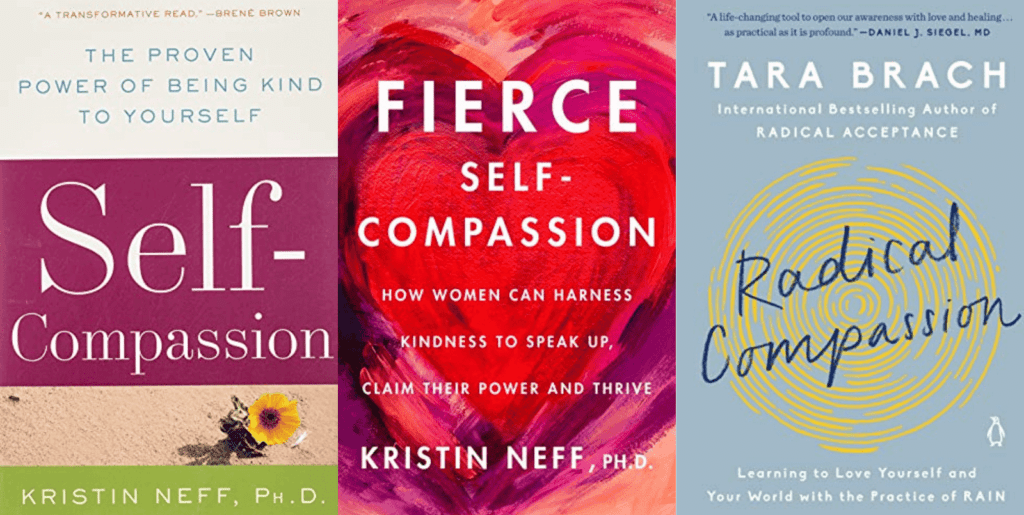
Self-compassion is not pretending everything is fine or excusing behavior you need to change. It means responding to yourself in a way that helps you learn, recover, and move forward instead of making things worse with shame and constant self-attack.
25 Self-Compassion Exercises to Stop Being So Hard on Yourself
1. Catch the Exact Self-Critical Thought
When you notice yourself feeling worse, identify the sentence running through your head.
Instead of:
“I feel terrible.”
write:
“I messed everything up.”
“Everyone else handles life better than me.”
“I should have known better.”
“You are such an idiot.”
You cannot challenge a thought until you know exactly what you are telling yourself.
2. Ask: Would I Say This to Someone Else?
Take your self-critical statement and imagine saying it to someone you care about.
If your friend made a mistake, would you say:
“You ruin everything.”
“You are pathetic.”
“No wonder nobody likes you.”
Probably not.
That does not mean you tell yourself the opposite and pretend everything was perfect. Find a fairer response:
“You made a mistake. Now figure out how to correct it.”
3. Replace Labels With Facts
Notice labels such as:
- Lazy.
- Stupid.
- Failure.
- Weak.
- Embarrassing.
- Selfish.
- Useless.
Replace the label with what actually happened.
Instead of:
“I am lazy.”
say:
“I have avoided this task for three days.”
Now you have a problem you can actually solve.
4. Use the Friend Test
Ask yourself:
“If my closest friend told me this exact story, what would I tell them?”
Write your answer.
Then compare it with what you have been saying to yourself.
The difference often shows how unfair your internal standard has become.
5. Write a More Accurate Version of the Story
Take a shame-filled thought such as:
“I completely failed.”
Make it more accurate:
“I did not get the result I wanted. Some things were within my control and some were not. I can look at what needs to change.”
Self-compassion should make your thinking more accurate, not unrealistically positive.
6. Separate the Mistake From Your Identity
Complete these sentences:
What I did:
“I forgot an important deadline.”
What my inner critic says this means:
“I am incompetent.”
What is actually true:
“I made an important mistake that I need to correct.”
A behavior tells you something about a moment.
It does not automatically define your entire character.
7. Ask What You Need Now
After something difficult happens, ask:
“What would actually help me right now?”
Maybe you need to:
- Fix a mistake.
- Ask for help.
- Rest because you are exhausted.
- Have a difficult conversation.
- Set a boundary.
- Finish something you have been avoiding.
- Make a decision.
Compassion should lead toward useful action.
8. Write Yourself a No-Nonsense Compassionate Response
Use three parts:
What happened:
“I handled that conversation badly.”
What is understandable:
“I was angry and reacted too quickly.”
What happens next:
“I need to apologize and handle it differently next time.”
This keeps compassion from becoming either self-attack or excuse-making.
9. Challenge the “I Should Have Known Better” Thought
Ask:
“What did I actually know at the time?”
You may now have information you did not have when you made the decision.
Write down:
- What you knew then.
- What you did not know.
- What you understand now.
- What you will do differently next time.
Judge your past self using the information available then, not only what became obvious later.
10. Identify the Impossible Standard
Finish:
“I believe I should always…”
You might write:
- Know what to do.
- Stay calm.
- Get things right.
- Be productive.
- Keep everyone happy.
- Make good decisions.
- Never need help.
Then ask:
“Would I expect another human being to meet this standard?”
If not, adjust it.
11. Turn “What Is Wrong With Me?” Into a Better Question
Replace:
“What is wrong with me?”
with:
“What happened here?”
“What made this difficult?”
“What pattern am I repeating?”
“What needs to change?”
“What can I do differently next time?”
Questions that attack your identity rarely solve anything.
12. Write Down What Was Outside Your Control
When blaming yourself for an outcome, divide a page into:
What I controlled
and
What I did not control
You may control your effort, communication, preparation, and choices.
You do not control every outcome, another person’s behavior, timing, luck, or everything that happens around you.
Take responsibility for your part without claiming responsibility for everything.
13. Correct One Piece of Harsh Self-Talk Every Day
Notice one thought such as:
“I am terrible at everything.”
Challenge it immediately:
“That is not accurate. I struggled with this particular thing.”
You do not need twenty affirmations.
One accurate correction practiced repeatedly can be more useful.
14. Practice Receiving Compliments
When someone says something positive about you, do not immediately respond with:
“No, I’m not.”
“It wasn’t anything.”
“Anyone could have done it.”
Instead say:
“Thank you.”
You do not have to fully believe the compliment.
Your job is simply to stop automatically rejecting positive information.
15. Keep an Evidence Against My Inner Critic List
If your inner critic says:
“I never do anything right,”
collect evidence against it.
Write down:
- Problems you solved.
- Difficult things you handled.
- Compliments you received.
- Goals you completed.
- Times you showed courage.
- Times you helped someone.
- Decisions you are proud of.
Challenge general statements with specific evidence.
16. Rewrite One Painful Memory
Choose a situation you still judge yourself for.
Write:
What happened
What I blame myself for
What factors I was ignoring
What I understand now
What responsibility genuinely belongs to me
What does not belong to me
This helps separate useful accountability from unnecessary shame.
17. Give Yourself Credit for the Part You Did Well
After something goes badly, the brain often notices only the failure.
Ask:
“What did I handle reasonably well?”
Maybe you:
- Spoke up.
- Tried something difficult.
- Stayed longer than you normally would.
- Asked for help.
- Corrected yourself.
- Kept going.
You can acknowledge what went wrong without deleting everything that went right.
18. Replace Punishment With Repair
When you make a mistake, resist the urge to spend hours telling yourself how terrible you are.
Ask:
“What would repair look like?”
It might mean:
- Apologizing.
- Replacing something.
- Correcting information.
- Paying something back.
- Changing a habit.
- Making a different decision.
Repair is useful.
Punishing yourself repeatedly is not the same thing as taking responsibility.
19. Notice When You Are Using Comparison to Hurt Yourself
When comparing yourself with someone else, ask:
“What am I trying to prove?”
If the answer is:
“That I am behind.”
“That I am unattractive.”
“That I am unsuccessful.”
stop.
Then ask:
“Is there anything useful I can learn from this comparison?”
If yes, turn it into an action.
If no, stop feeding it.
20. Write Down What You Would Forgive Someone Else For
Make a list of things you easily forgive in other people:
- Making a bad decision.
- Being awkward.
- Choosing the wrong person.
- Failing at something.
- Needing another attempt.
- Being overwhelmed.
- Not knowing better at the time.
Then ask why you believe you should receive a completely different standard.
21. Practice a Compassionate Debrief After a Bad Day
Instead of ending the day with:
“I wasted the entire day.”
ask:
- What was difficult today?
- What did I handle well?
- What did I avoid?
- What needs fixing tomorrow?
- What should I stop blaming myself for?
Then choose one specific action for tomorrow.
22. Challenge Shame With Specific Language
Shame says:
“I am a terrible person.”
Ask:
“What exactly did I do?”
Then deal with that.
The more specific you become, the less room shame has to turn one problem into your entire identity.
23. Stop Using Other People’s Treatment as Proof of Your Worth
Write down a painful interaction.
Then separate:
What they did
from
What I decided it says about me
For example:
“They rejected me.”
does not automatically mean:
“I am unlovable.”
Someone else’s choice can hurt without becoming a final judgment of your value.
24. Write Three Things You Are Learning, Not Three Things You Are Bad At
After a mistake, complete:
“I am learning how to…”
For example:
- Set boundaries earlier.
- Communicate more directly.
- Manage my money better.
- Recognize unhealthy relationships.
- Prepare properly.
- Speak up.
This shifts you from identity-based criticism toward skill-building.
25. Create a New Rule for How You Speak to Yourself
Choose one rule you will follow when things go wrong.
For example:
“I can criticize my behavior, but I will not attack my worth.”
“I will correct mistakes instead of repeatedly punishing myself.”
“I will not call myself names.”
“I will look at the evidence before believing my inner critic.”
“I will speak to myself in a way that helps me take the next step.”
Self-compassion is not lowering your standards.
It is learning that you can hold yourself accountable without humiliating yourself, acknowledge pain without turning it into an identity, and make changes without needing to hate yourself first.