Table of Contents
Quiz
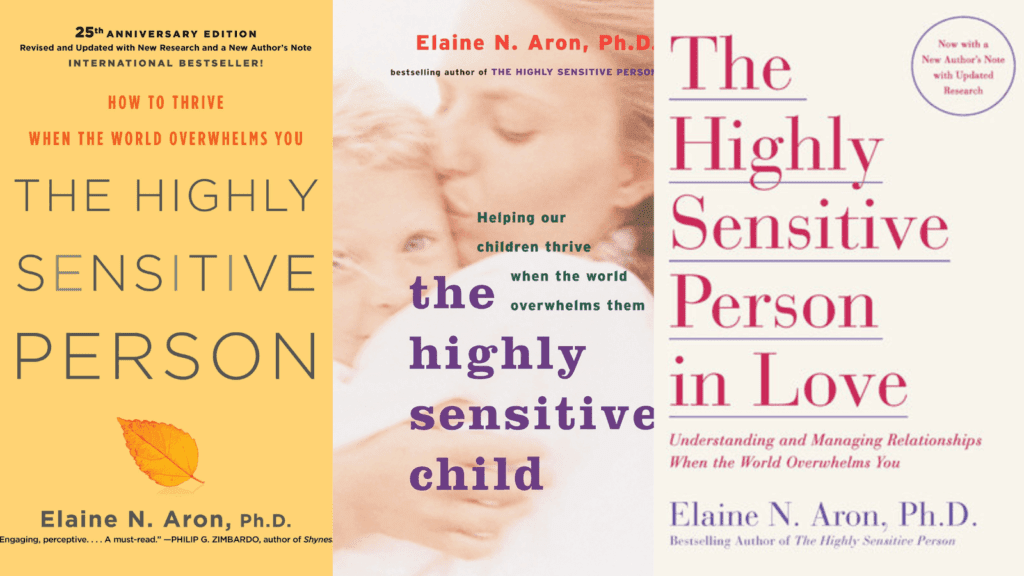
Books


Blog Posts
- 10 Myths About Panic Attacks That Make Them Worse – Debunked
- 10 Lifestyle Habits That Lower Panic Frequency
- How to Recover Quickly After a Panic Episode?
- How to Prevent Panic Attacks From Snowballing?
- How to Talk to a Friend Who’s Having a Panic Attack?
- How to Tell the Difference Between Panic and Medical Emergencies?
- How to Prepare for Events That Usually Trigger Panic?
- How to Handle a Panic Attack at Work?
- How to Break the Panic Attack Cycle?
- 9 Silent Panic Attacks Symptoms
Apps for Panic Attacks
- DARE: Panic & Anxiety Relief
Click here
Designed specifically for anxiety and panic. The approach encourages users to change how they respond to panic sensations and continue doing normal activities rather than organizing their lives around preventing another attack.
Panic Podcasts
- The Panic Pod: Anxiety Help — Joshua Fletcher
Click here
Hosted by psychotherapist Joshua Fletcher, who specializes in anxiety disorders. Episodes cover panic attacks, agoraphobia, intrusive thoughts, health anxiety, driving anxiety, fear of physical sensations, and the behaviors that can accidentally keep anxiety going. - DARE: Panic & Anxiety Relief Podcast
Click here
Focuses on panic attacks and anxiety recovery through changing your response to fear rather than constantly trying to make anxiety disappear. Episodes cover panic sensations, avoidance, intrusive thoughts, exposure, and returning to activities anxiety has made difficult.
- How to Stop Panic Attacks and Anxiety Attacks — Therapy in a Nutshell with Kimberley Quinlan
Click here
CBT specialist Kimberley Quinlan and therapist Emma McAdam discuss what keeps panic disorder going, why avoidance can make it worse, how catastrophic interpretations fuel attacks, and how CBT and exposure can help break the cycle.
TED & TEDx Talks About Panic
- What Causes Panic Attacks, and How Can You Prevent Them? — Cindy J. Aaronson
Click here
A concise TED-Ed explanation of what happens during a panic attack, why harmless physical sensations can be interpreted as dangerous, and how fear of those sensations can create a repeating panic cycle.