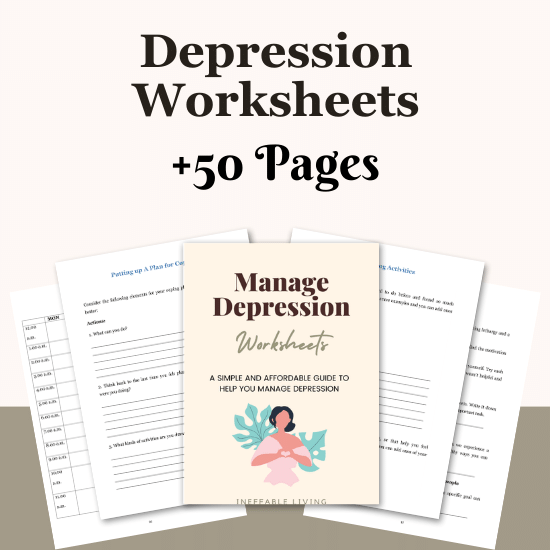
If your mood tends to worsen during darker months, preparing before symptoms become intense can make winter easier to manage.
A seasonal depression plan should answer:
What usually changes for me?
What helps me stay functional?
What are my early warning signs?
What will I do before things become difficult?
The goal is not to create a perfect winter routine. It is to build enough structure that you do not have to figure everything out after your energy, motivation, and concentration have already dropped.
How to Build a Personal Seasonal Depression Plan Before Winter Starts?
1. Look Back at Last Winter
Ask:
“What became noticeably harder?”
Maybe:
- Getting out of bed.
- Concentrating.
- Leaving home.
- Exercising.
- Socializing.
- Keeping up with chores.
Use last winter as information.
2. Identify When Symptoms Usually Begin
Think about whether you typically notice changes in:
- September.
- October.
- November.
- Later in winter.
Your plan should begin before your most difficult period, not after it.
3. Identify Your Earliest Warning Signs
Your first signs may be subtle.
Maybe:
- Snoozing more.
- Wanting to stay home.
- Losing interest in activities.
- Sleeping longer.
- Feeling unusually tired.
- Canceling plans.
Write yours down.
4. Identify Your Later Warning Signs
Know what happens when symptoms become more established.
Maybe:
- Spending much more time in bed.
- Falling behind at work.
- Neglecting hygiene.
- Withdrawing from people.
- Losing interest in almost everything.
Recognizing progression helps you know when to increase support.
5. Create a Personal Warning-Sign List
Write:
Early signs: ______
Moderate signs: ______
Signs I need more help: ______
Keep the list somewhere easy to find.
6. Decide What You Want to Protect
Instead of trying to maintain everything perfectly, identify your essentials.
Maybe:
- Sleep schedule.
- Work.
- Meals.
- Movement.
- Relationships.
- Basic household functioning.
Protect these first.
7. Choose a Consistent Wake-Up Time
Decide what wake time you want to maintain during winter.
A stable wake time can give your day structure even when mornings become difficult.
8. Create Your Winter Morning Routine
Keep it short.
For example:
Wake → lights on → curtains open → wash → dress → eat → begin the day.
Do not build a routine that requires high motivation.
9. Create a Difficult-Morning Version
Maybe your minimum morning is:
- Get out of bed.
- Turn on lights.
- Brush teeth.
- Get dressed.
- Eat something.
- Complete one necessary task.
Know the minimum before you need it.
10. Prepare Your Morning Environment
Before winter:
- Check lighting.
- Move useful lamps.
- Make curtains easy to open.
- Set up a comfortable daytime area.
Make waking easier by design.
11. Plan How You Will Get Daylight
Ask:
“When can I realistically get outside during daylight?”
Maybe:
- Before work.
- Lunch break.
- Late morning.
- Early afternoon.
Put daylight into your routine rather than leaving it to chance.
12. Choose a Default Daylight Time
For example:
12:00 — short outdoor walk.
A default removes the daily question:
“When should I go outside?”
13. Plan for Very Dark Mornings
If natural light is limited when you wake, decide how you will make your environment bright.
You might also discuss bright-light therapy with a qualified healthcare professional if seasonal symptoms tend to be significant.
14. Review Light Therapy Before Winter
If you already use light therapy or are considering it, do not wait until symptoms are severe to think about:
- Appropriate device.
- Timing.
- Duration.
- Placement.
- Safety considerations.
Prepare early.
15. Choose Your Minimum Movement Goal
Decide what counts on low-energy days.
Maybe:
10 minutes of walking or other movement.
Your minimum should be realistic enough to maintain.
16. Create a Better-Day Movement Plan
On higher-energy days, you might aim for:
- Longer walks.
- Gym.
- Classes.
- Strength training.
- Other activities you enjoy.
Create both versions.
17. Create an Indoor Backup
Ask:
“What will I do when the weather makes my normal plan unrealistic?”
Choose something in advance.
18. Prepare Winter Exercise Equipment
Before you need it, organize:
- Walking shoes.
- Warm clothing.
- Home exercise equipment.
- Gym bag.
Reduce friction.
19. Make Leaving Home Easy
Set up your entryway with:
- Coat.
- Shoes.
- Hat.
- Gloves.
- Bag.
When motivation is low, small obstacles matter.
20. Decide How Often You Want to Leave the House
You do not need a packed schedule.
Maybe your goal is:
Leave home intentionally at least once each day
or:
Have an outing several times each week.
Choose something realistic.
21. Create a List of Easy Places to Go
Write down low-effort options.
Maybe:
- Café.
- Library.
- Shopping center.
- Nearby walking route.
- Family member’s home.
When you need to get out, choose from the list.
22. Schedule Regular Social Contact
Seasonal depression can make withdrawal happen gradually.
Put some connection into your calendar before you start isolating.
Maybe:
- Weekly lunch.
- Weekend visit.
- Regular phone call.
- Walk with someone.
23. Decide Your Minimum Social Contact
On difficult weeks, your minimum might be:
One meaningful conversation every few days.
The goal is preventing complete isolation.
24. Identify People You Can Contact
Write down a few people you could reach out to when you notice yourself withdrawing.
You do not need to tell everyone everything.
Just know who is available.
25. Decide What You Will Say When You Need Support
Prepare simple language.
For example:
“My seasonal symptoms have been getting worse and I have been isolating. Can we make a plan this week?”
Having words ready can make reaching out easier.
26. Prepare Low-Energy Meals
Before winter, make a list of meals that require little effort.
Maybe:
No-energy meals: ______
10-minute meals: ______
Normal meals: ______
Choose according to capacity.
27. Keep Useful Food in the House
Stock practical staples you actually eat.
Avoid creating a plan that depends on cooking elaborate meals every day.
28. Choose Default Meals
Reduce decision fatigue.
For example:
Default breakfast: ______
Default lunch: ______
Default easy dinner: ______
You can still vary them when you have more energy.
29. Create a Grocery Backup Plan
Decide what you will do if shopping becomes difficult.
Maybe:
- Delivery.
- Click-and-collect.
- Smaller grocery trips.
- Asking someone for help.
Have an alternative before the fridge is empty.
30. Plan Your Sleep Routine
Choose a realistic:
Bedtime range: ______
Wake time: ______
Try to keep both reasonably consistent during the darker months.
31. Watch for Oversleeping
If you know winter makes you want to spend much longer in bed, decide what boundaries will help.
For example:
“Once I get up, I do not return to bed during the morning.”
Use whatever rule fits your pattern.
32. Protect Your Bedroom as a Sleep Space
If possible, avoid turning your bed into:
- Workspace.
- Dining area.
- Main daytime seat.
Create another comfortable place to spend low-energy days.
33. Create a Comfortable Daytime Area
Set up a place with:
- Good lighting.
- Comfortable seating.
- Charger.
- Blanket.
- Water.
Make it easier to be awake somewhere other than bed.
34. Brighten Your Home Before Winter
Walk through the rooms you use most.
Ask:
- Where is it too dark?
- Which lamps need replacing?
- Which room gets the most daylight?
- Where should I work during winter?
Adjust before the darkest weeks.
35. Move Daytime Activities Toward Light
If one room is brighter, consider using it more during winter.
Maybe move:
- Desk.
- Reading chair.
- Breakfast spot.
Your home can have a different winter setup.
36. Make Your Home Easier to Maintain
Low mood and clutter can reinforce each other.
Before winter, simplify:
- Laundry system.
- Kitchen setup.
- Storage.
- Entryway.
Make everyday tasks require fewer steps.
37. Decide Your Minimum Cleaning Routine
For example:
Daily: dishes + clear one surface.
Weekly: laundry + basic clean.
Your difficult-season routine does not need to be elaborate.
38. Create a Ten-Minute Reset
Choose one time each day or evening for a short household reset.
Do only what makes tomorrow easier.
39. Identify Your Most Difficult Time of Day
Maybe:
- Morning.
- Late afternoon.
- Evening.
Your plan should specifically support that period.
40. Build Extra Structure Around That Time
If late afternoons are difficult, you might schedule:
- Walk.
- Errand.
- Phone call.
- Work break.
Do not leave your hardest hours completely unstructured if that consistently makes symptoms worse.
41. Choose Your Winter Work Strategy
If concentration tends to fall, decide how you will simplify work.
Maybe:
- Shorter task lists.
- Clear daily priorities.
- More reminders.
- Working during your strongest energy period.
Plan for reduced concentration rather than being surprised by it.
42. Choose Three Daily Priorities
A simple system could be:
1 essential task
1 maintenance task
1 helpful or enjoyable activity
Anything else is extra.
43. Break Recurring Responsibilities Into Steps
Create checklists for things that become harder when concentration drops.
For example:
Laundry
- Collect.
- Wash.
- Dry.
- Put away.
External structure reduces mental effort.
44. Schedule Pleasant Activities Before Motivation Drops
Seasonal depression can make you stop wanting the things that usually help.
Put some enjoyable activities into the calendar beforehand.
Maybe:
- Movie night.
- Baking.
- Hobby.
- Lunch.
- Short outings.
Do not rely only on spontaneous motivation.
45. Create a Winter Enjoyment List
Write 10–20 things that are realistic during darker months.
Choose options for:
- Home.
- Outdoors.
- Alone.
- With others.
- Low-energy days.
Use the list when you cannot think of anything you want to do.
46. Create Things to Look Forward To
Plan small future events throughout the season.
Maybe:
- Weekend breakfast.
- Day trip.
- Dinner.
- Project.
- Movie.
A season feels different when it contains identifiable points of anticipation.
47. Identify Your Isolation Pattern
Ask:
“What do I do immediately before I start disappearing from people?”
Maybe:
- Stop replying.
- Cancel repeatedly.
- Stay in bed.
- Ignore invitations.
These behaviors can become your warning signs.
48. Create an Anti-Isolation Rule
For example:
“If I cancel two social plans in a row because I feel low, I contact someone and make one smaller plan.”
Make the rule specific.
49. Identify Your Negative Seasonal Thoughts
Write down recurring thoughts such as:
“Winter ruins everything.”
“I cannot handle this.”
“I am lazy.”
“Nothing helps.”
Prepare more accurate responses before those thoughts feel completely convincing.
50. Create a Seasonal Thought Response Sheet
For example:
Thought: “I cannot handle another winter.”
Response: “Winter is difficult for me, so I need more structure and support during it.”
Keep the responses realistic rather than overly positive.
51. Identify the Behaviors That Make Your Mood Worse
Maybe:
- Staying indoors for several days.
- Sleeping very late.
- Scrolling for hours.
- Canceling everything.
- Skipping meals.
Write your personal list.
52. Create an Early-Intervention Rule
For example:
“If I notice three of my warning signs for several days, I return to my full seasonal plan.”
Do not wait until every symptom is severe.
53. Decide What Your Full Seasonal Plan Includes
Maybe:
- Consistent wake time.
- Morning light.
- Daylight.
- Movement.
- Regular meals.
- Social contact.
- Structured work.
- Enjoyable activity.
- Predictable bedtime.
Keep it visible.
54. Create a Low-Energy Version
Your difficult-day version might be:
Get up → get dressed → eat → daylight → one essential task → brief movement → one contact → prepare tomorrow.
This is your fallback.
55. Create a Very Difficult-Day Plan
For example:
- Get out of bed.
- Take care of basic hygiene.
- Eat and drink.
- Take necessary medication.
- Complete only urgent responsibilities.
- Contact someone.
- Arrange additional support if symptoms are worsening.
Keep this plan extremely simple.
56. Decide When Self-Care Is No Longer Enough
Write down the signs that mean:
“I need professional help, not just another coping skill.”
Maybe:
- You cannot maintain basic daily functioning.
- Work or school is significantly affected.
- You are withdrawing almost completely.
- Symptoms are becoming progressively worse.
Do not leave this decision to your lowest point.
57. Arrange Professional Support Early if Needed
If you tend to experience significant seasonal depression, consider discussing your usual seasonal pattern with a healthcare or mental-health professional before winter.
Planning treatment early can be easier than trying to establish support after symptoms become severe.
58. Review Existing Treatment Before the Season
If you already receive treatment for depression, seasonal changes may be worth discussing with your clinician.
Do not independently change medication or treatment schedules simply because winter is approaching.
59. Put Follow-Up Dates on Your Calendar
Choose dates to review how you are doing.
For example:
Early autumn: baseline.
One month later: symptom check.
Midwinter: full review.
Scheduled check-ins can help you notice gradual decline.
60. Use a Weekly Seasonal Check-In
Once a week, ask:
How is my mood?
How is my sleep?
Am I getting daylight?
Am I moving?
Am I leaving home?
Am I isolating?
What is getting harder?
What needs adjusting?
Personal Seasonal Depression Plan
Complete this before winter:
My symptoms usually begin around: ______
My earliest warning signs are: ______
My signs that things are getting worse are: ______
My usual seasonal thoughts are: ______
My consistent wake time will be: ______
My morning routine will be: ______
My daylight plan will be: ______
My movement minimum will be: ______
My indoor movement backup will be: ______
My easy meals will be: ______
My sleep routine will be: ______
My regular social contact will be: ______
People I can contact are: ______
Activities I want to keep doing are: ______
Things I want to look forward to are: ______
My three daily priorities will be: ______
Behaviors that usually make things worse are: ______
My early-intervention rule is: ______
My difficult-day plan is: ______
My very difficult-day plan is: ______
Signs I need additional professional support are: ______
My first seasonal check-in date is: ______