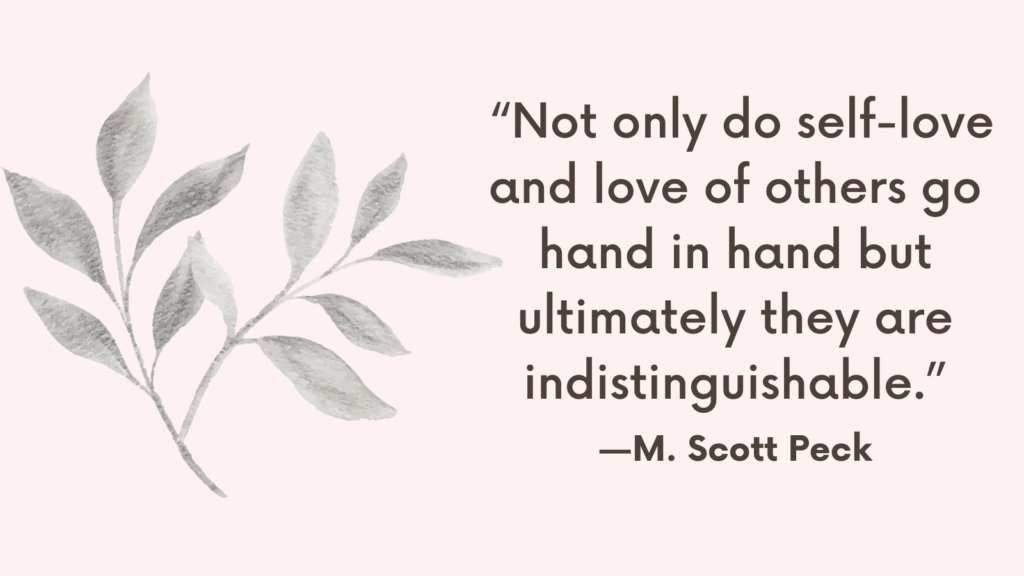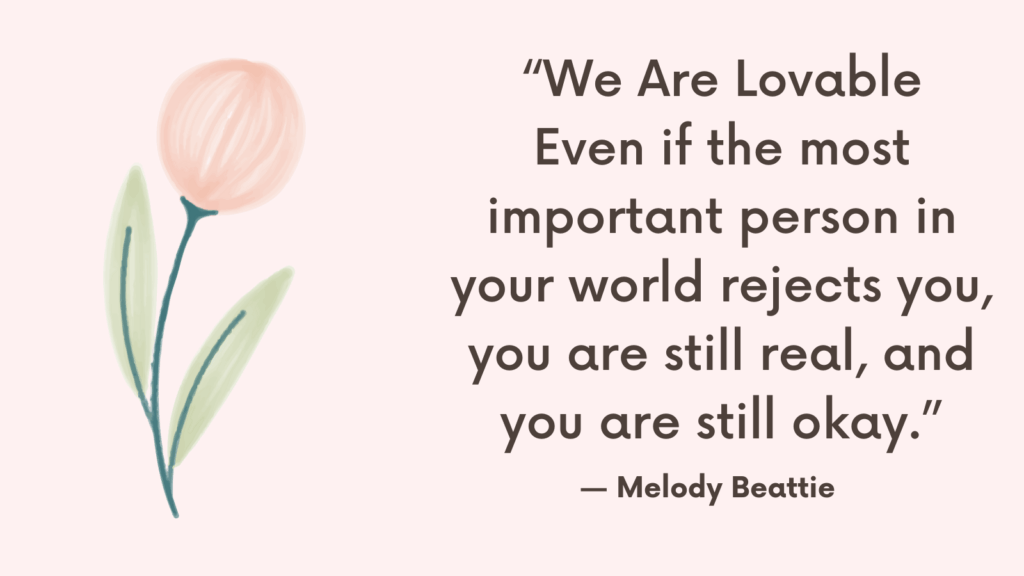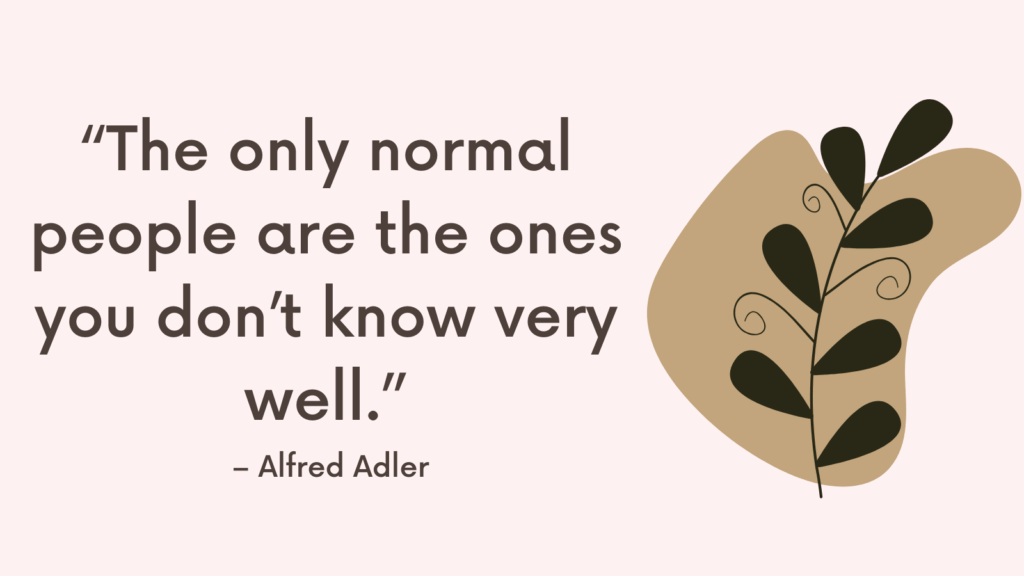
Echoism trains you to believe that your value comes from being quiet, agreeable, selfless, and invisible. You learn to shine only in the shadows — never too bright, never too demanding, never too noticeable. Building self-worth after echoism means unlearning the belief that you deserve less than others. It means rediscovering the parts of you you hid, denied, or minimized to stay safe. Self-worth doesn’t come from becoming louder — it comes from becoming whole.
What Echoism Really Is
Echoism is a pattern where you make yourself small—emotionally, socially, or relationally—to avoid conflict, attention, or the risk of being “too much.” Instead of taking up space, you shrink. Instead of expressing your needs, you silence them. Instead of being seen, you blend into the background. Echoism isn’t shyness or kindness—it’s a survival response learned in environments where visibility felt unsafe.
Where Echoism Comes From
Echoism often begins in childhood or early relationships where:
- Speaking up brought criticism or anger
- Your needs were ignored, dismissed, or labeled selfish
- Someone else’s emotions dominated the room
- You were praised for being quiet, easy, or selfless
- You felt responsible for keeping the peace
Over time, you learn that shrinking keeps you safe.
How to Build Self-Worth After Echoism?
1. Understand That Your Low Self-Worth Was Learned, Not Chosen
Echoism develops in environments where your needs were dismissed, where being “good” meant being small, and where love felt conditional.
Your self-worth wasn’t broken — it was shaped by the survival rules you were taught.
What was learned can be unlearned.
Related: Take The Echoist Quiz (The Opposite Of A Narcissist)
2. Stop Defining Your Worth by How Little You Need
Echoists believe worthiness comes from being easy, undemanding, low-maintenance, or emotionally self-contained.
But this keeps you small.
Your worth doesn’t increase when your needs decrease. You’re worthy simply because you exist — not because you erase yourself for others.
3. Relearn How to See Your Strengths
Echoists often struggle to name their strengths because they’re used to focusing on others. Take time to rediscover your gifts:
Your empathy
Your patience
Your creativity
Your intuition
Your depth
Write them down. Say them out loud. Let yourself acknowledge what’s true — you are capable, valuable, and gifted.
4. Begin Treating Yourself With the Respect You Give Others
Echoists treat everyone with compassion — except themselves.
Start reversing that pattern:
Speak kindly to yourself.
Protect your energy.
Rest when needed.
Meet your needs intentionally.
Self-worth grows when you show yourself the care you naturally give away.
5. Let Your Feelings Matter Without Comparison
Echoism teaches you to think, “Others have it worse,” or “My feelings don’t count.”
But your emotions matter because you matter.
Let yourself feel disappointment, anger, excitement, hurt, joy — without shaming yourself for having emotions at all.
Related: Fear of Disappointing Others: Top 10 Ways to Overcome it
6. Practice Expressing Your Needs Even When It Feels Uncomfortable
Needs aren’t weaknesses; they’re part of being human. Build self-worth by allowing yourself to:
Ask for help
Express preferences
Share discomfort
Request support
Your needs don’t make you unlovable — they make relationships authentic.
7. Acknowledge Your Desires Without Shame
Echoists often suppress their desires because wanting something feels “too much.”
But desires reveal who you are — your identity, joy, passion, longing, dreams.
Let yourself want things without apology. Desire is a sign of aliveness.
8. Stop Shrinking Your Achievements
Echoists downplay accomplishments so they won’t attract attention or seem arrogant. But self-worth grows when you recognize your efforts:
Celebrate your progress.
Acknowledge your courage.
Let success feel real.
You don’t have to hide your victories to keep others comfortable.
Related: How to Identify and Set Non Negotiable Boundaries?
9. Surround Yourself With People Who Honor Your Voice
You can’t build self-worth in relationships that benefit from your invisibility. Choose people who:
Ask how you feel
Respect your boundaries
Value your presence
See your strengths
Encourage your growth
Supportive relationships reinforce your worth.
10. Challenge the Belief That You Must Earn Love
Echoists often believe they must earn love through silence, sacrifice, or selflessness.
But love that must be earned is not love — it’s control.
You deserve care without shrinking. You deserve connection without disappearing.
Related: How to Use Assertive Communication at Work?
11. Redefine Your Identity Separate From Caretaking
Echoists often define themselves through helping, fixing, listening, or supporting others.
But who are you outside of caregiving?
What lights you up?
What inspires you?
What dreams belong only to you?
Self-worth grows when your identity expands beyond service.
12. Build an Inner Voice That Protects You, Not Punishes You
Echoism is maintained by a harsh inner critic:
“Don’t bother anyone.”
“Don’t stand out.”
“You don’t deserve more.”
Replace it with truth:
“I deserve to exist.”
“I deserve joy.”
“I deserve to be seen.”
Your self-talk becomes your self-worth.
Related: Best 9 Tips On How To Receive More In Life And Relationships?
13. Give Yourself Permission to Take Up Space
Self-worth grows when you take up space calmly and confidently:
Share your thoughts
Use your voice
Stand tall
Choose for yourself
Let yourself be noticed
You are not “too much.” You are simply becoming visible.
14. Celebrate Every Moment You Choose Yourself
Healing from echoism is built from small acts of self-acknowledgment:
One boundary
One request
One honest emotion
One personal choice
Every moment you choose yourself is proof of growing worth.
15. Let Yourself Become Someone Who Deserves Good Things — Because You Do
Echoism tells you others deserve more than you.
Healing tells you:
You deserve love.
You deserve rest.
You deserve care.
You deserve opportunities.
You deserve joy.
Your worth is not conditional. It is inherent.
Related: Top 5 Self Love Exercises (+FREE Self-Love Resources)
Signs You’re Starting to Rebuild Self-Worth
- You pause before saying yes.
- You acknowledge disappointment instead of swallowing it.
- You let yourself rest without earning it.
- You feel small sparks of preference—what you like, dislike, enjoy, or need.
- You stop apologizing for existing.
- You allow yourself to feel emotions without shame.
These are small but powerful steps toward self-recognition.
Related: 50 Things To Love About Yourself
Conclusion
Building self-worth after echoism is the slow and gentle return to yourself. It’s learning to exist without shame, to want without apology, and to speak without fear. You are not unworthy — you simply learned to survive by being small.