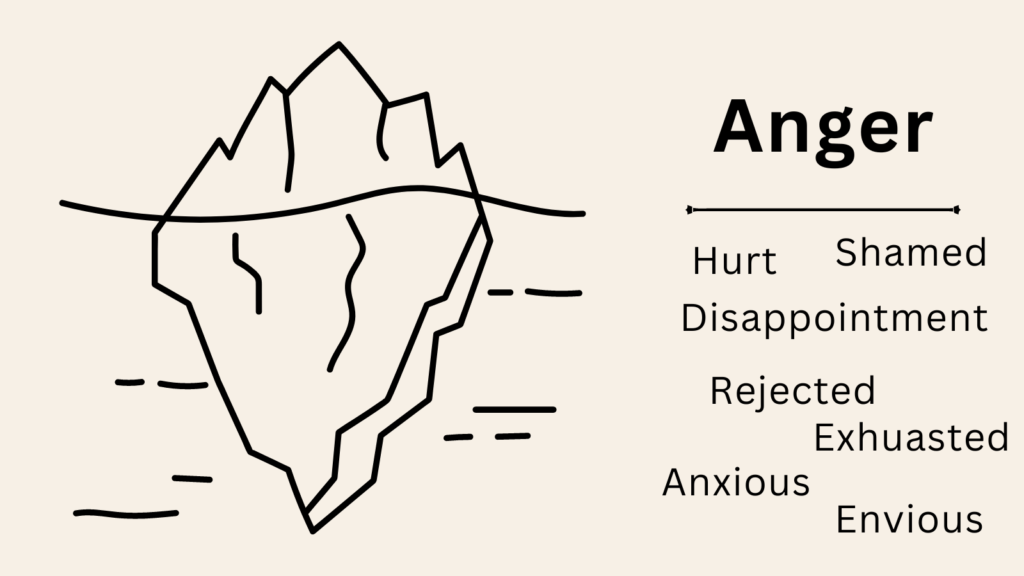
Resentment is more than irritation or frustration — it’s a deep emotional knot formed when hurt, unfairness, unmet needs, or repeated disappointments have accumulated over time. When resentment lingers, it is usually because something important has gone unacknowledged or unresolved. Healing it is not about forcing forgiveness or pretending the harm didn’t matter. It’s about understanding what the resentment is protecting and creating space for emotional honesty, boundaries, and repair.
Why Certain Resentments Linger for Years
Some resentments dissolve with time. Others harden. The ones that linger are tied to deeper emotional truths:
A need that was repeatedly unmet
A wound that was never acknowledged
A betrayal that shook your sense of safety
A pattern that kept repeating
A role you were trapped in
A gap between what you gave and what you received
These resentments last because they represent unresolved emotional stories, not isolated incidents.
The Internal Conflict That Keeps Resentment Alive
Resentment thrives in contradiction. You may feel:
Anger and guilt at the same time
Love and bitterness simultaneously
Compassion mixed with exhaustion
Hope tangled with disappointment
The tug-of-war between wanting connection and wanting protection keeps the resentment active inside you.
How Resentment Protects You
Resentment often serves as emotional armor. It keeps you alert so you don’t get hurt again. It distances you from people who have harmed you. It reinforces boundaries you couldn’t verbalize. It becomes a reminder of past pain so you don’t repeat it. Resentment is not just stuck emotion — it is a protective adaptation.
How to Heal Resentment That Won’t Go Away?
1. Acknowledge That Resentment Is a Sign of Unmet Needs
Resentment usually grows where needs for fairness, recognition, support, or respect were not met. Naming those needs helps you understand what the resentment has been holding.
2. Notice When You Replayed the Same Story Without Relief
If the same memory or dynamic loops in your mind, it’s a sign that the emotional wound hasn’t been processed. Rumination is your mind’s attempt to get closure it never received.
Related: Beyond Just Anger: How to Manage Intermittent Explosive Disorder?
3. Identify the Boundary That Was Violated
Resentment often reveals where someone crossed a line — or where you were unable to set one. Understanding that boundary clarifies what needs protection going forward.
4. Explore the Expectations You Carried Silently
Unspoken expectations build silent pressure. Resentment often grows when you hoped someone would show up differently but never voiced your needs out loud.
5. Recognize When You Betrayed Your Own Limits
If you repeatedly said yes when you wanted to say no, tolerated too much, or sacrificed more than you could afford, resentment toward the other person often includes resentment toward yourself.
6. Notice What You Needed at the Time but Didn’t Receive
Understanding what was missing — validation, apology, partnership, appreciation — helps you see the root wound clearly instead of staying stuck in general anger.
7. Be Honest About the Power Imbalance in the Relationship
Resentment lingers when you didn’t feel safe enough to speak up or assert yourself. Identifying power dynamics helps you understand why your voice felt restricted.
8. Examine the Version of the Person You Wanted Them to Be
Part of resentment comes from grieving the difference between who someone is and who you hoped they would be. The gap between reality and expectation often fuels lingering bitterness.
Related: Top 14 CBT Exercise For Anger Management (+FREE Anger Worksheets)
9. Look at How Long You Held Things Inside
Carrying unspoken frustrations for months or years compounds resentment. The longer something is suppressed, the heavier it becomes. Naming this helps you understand the buildup.
10. Notice Where You Feel Emotionally Overburdened
Resentment grows when you feel you are carrying more emotional, mental, or practical weight than the other person. This imbalance needs acknowledgment, not silence.
11. Accept That Some Apologies Will Never Come
Resentment often stays alive waiting for repair that the other person is unwilling or unable to offer. Healing sometimes requires releasing the expectation of a perfect apology.
12. Seek Clarity Instead of Assumptions
Sometimes resentment grows because you filled in the gaps of someone’s behavior with painful interpretations. Seeking clarity (or accepting the absence of it) can soften the emotional hold.
13. Ask What the Resentment Is Protecting You From
Resentment sometimes protects you from vulnerability, disappointment, or re-engaging with someone who hurt you. Understanding its protective purpose helps you loosen its grip.
Related: Assertive Anger: What It Is & How to Practice It
14. Explore the Grief Hidden Under the Anger
Resentment is often grief in disguise — grief for what didn’t happen, what was lost, or what should have been different. Allowing grief to surface helps resentment dissolve.
15. Name the Emotional Cost You Paid
Acknowledging the toll — emotional exhaustion, self-doubt, loneliness, bitterness — creates space for healing rather than denial.
16. Decide What Role You Want This Person to Have in Your Future
Resentment often signals that the relationship needs adjustment, boundaries, distance, or redefining. Healing becomes easier when you know what place this person should have going forward.
17. Consider What Repair Would Actually Look Like
Is it a conversation? A boundary? Distance? Acceptance? Understanding what would bring resolution helps break the emotional stagnation.
Related: Anger Iceberg: How to Use It (+FREE Anger Iceberg Worksheet PDF)
18. Notice When Resentment Comes From Waiting Too Long to Speak
Delayed expression creates heavy buildup. Recognizing this pattern helps you commit to earlier communication in the future.
19. Allow Yourself to Release the Fantasy of a Different Past
Resentment often clings to the belief that things should have gone differently. Healing requires accepting that the past cannot be rewritten, even if it deserved to be different.
Related: Best 10 Anger Management Books And Workbooks

Conclusion
Resentment that won’t go away is a message, not a failure. It asks you to honor the pain you suppressed, the needs you overlooked, and the boundaries you never learned to protect. When you listen to what the resentment is trying to show you, it loosens — not because the past changes, but because you finally give yourself the care, clarity, and closure that the situation never provided.