Shame is a heavy emotion. It makes you believe you’re unworthy, broken, or beyond repair. It hides in your tone, your posture, your choices—convincing you to shrink, stay silent, or self-sabotage. But no matter how deeply shame has rooted itself in your life, it’s possible to replace it with something stronger: self-respect.
Self-respect isn’t about arrogance or perfection. It’s about treating yourself as someone who matters, even when you mess up, struggle, or feel inadequate. It’s a quiet inner stance that says, “I may not have done everything right—but I am not wrong for existing.”
What Shame Actually Is
Shame is not just a feeling — it’s an identity wound.
It’s the belief that there is something fundamentally wrong, bad, or unlovable about you.
Unlike guilt, which says “I did something wrong,” shame says “I am wrong.”
It burrows deep into your self-concept, often forming early in environments where love was conditional, criticism was constant, or emotional safety was scarce.
Shame isn’t always loud.
It can sound like:
- “I shouldn’t take up space.”
- “I’m too sensitive.”
- “No one really wants to know the real me.”
- “I always mess things up.”
- “Who am I to think I deserve better?”
Why It’s So Hard to Let Go of
Shame can become a coping mechanism.
If you blame yourself first, no one else can surprise you with rejection.
If you stay small, you don’t risk failure.
If you beat yourself up, you feel in control.
In this way, shame can feel safer than vulnerability.
It’s familiar. Predictable. And often reinforced by internalized messages from caregivers, culture, or early relationships.
To let go of shame can feel like losing a form of emotional armor —
even if that armor is heavy and corrosive.
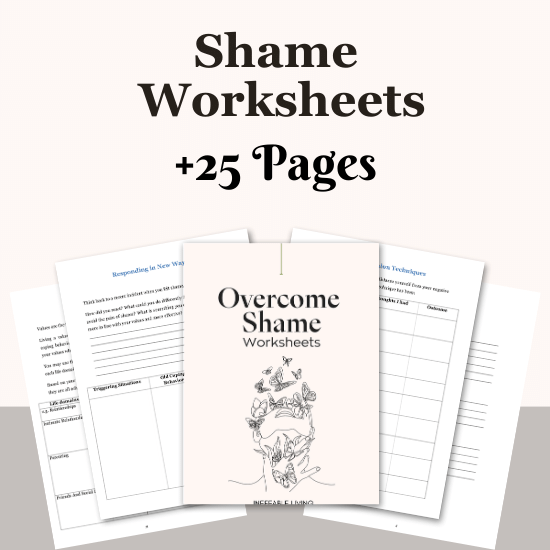
Related: Best 20 Healing Shame Exercises To Break Free From Toxic Shame
What Self-Respect Really Means
Self-respect is not arrogance.
It’s not performance.
It’s not perfection.
It’s quiet, grounded dignity.
It’s the inner knowing that says:
- “I am allowed to exist, even if I’m messy.”
- “I can make mistakes without losing my worth.”
- “I don’t have to earn kindness — even from myself.”
- “I’m no more or less valuable than anyone else.”
Self-respect doesn’t silence shame by force.
It re-parents the part of you that learned shame was the only option.
Related: Guilt And Shame In Recovery: Top 10 Tips to Overcome Them
How to Replace Shame With Self-Respect?
Here’s how to begin replacing shame with self-respect, step by step.
1. Name the Shame Without Collapsing Into It
Shame thrives in silence and secrecy. The first step is recognizing when it shows up.
Ask yourself:
- “Where in my life do I feel unworthy or deeply flawed?”
- “What am I afraid people would reject me for if they really knew?”
- “What situations make me want to hide or disappear?”
Once you name it, you create distance from it. Shame becomes a story—not your identity.
2. Speak to Yourself Like Someone You Love
If your inner voice is critical, harsh, or degrading, it keeps shame alive.
Practice:
- Replacing “What’s wrong with me?” with “What happened to me?”
- Replacing “I’m such a failure” with “I’m learning through this.”
- Replacing “I shouldn’t feel this way” with “This feeling makes sense.”
The more compassion you show yourself, the less room shame has to grow.
Related: Toxic Shame Quiz
3. Understand the Origin of the Shame Story
Much of your shame was taught—through trauma, neglect, bullying, or constant correction.
Reflect:
- “Whose voice does this shame sound like?”
- “Was I shamed for being emotional, sensitive, different, or needing help?”
- “What was I made to believe about my worth?”
You’re not broken—you were conditioned. And you can rewrite that script.
4. Stop Performing for Approval and Start Living in Alignment
Shame tells you to earn your place. It makes you over-explain, over-apologize, and seek validation. Self-respect doesn’t.
Ask yourself:
- “Am I doing this to be liked, or because it aligns with my values?”
- “What would I choose if I already believed I was enough?”
- “Where am I abandoning myself to avoid discomfort?”
Start doing things because they feel right to you, not because they’ll keep you from being judged.
Related: Best 10 Shame Books
5. Set Boundaries That Reflect Your Worth
Shame keeps you tolerating poor treatment. Self-respect helps you say, “I deserve better.”
That might mean:
- Saying no when you’re drained
- Leaving conversations that belittle you
- Walking away from dynamics that treat your pain like a joke
Boundaries are declarations of self-worth. Every one you set weakens shame’s hold.
6. Celebrate Yourself—Not Just When You Succeed
Shame says you’re only worthy when you win. Self-respect says you’re worthy because you’re you.
Start honoring yourself for:
- Showing up when it was hard
- Choosing growth over comfort
- Speaking your truth, even if your voice shook
Celebrate progress, not perfection. That’s where dignity is rebuilt.
Related: Top 35 Shame Quotes
7. Take Responsibility Without Self-Destruction
Self-respect doesn’t mean denying your mistakes—it means owning them without punishing yourself.
Try:
- “I made a mistake, and I’m allowed to grow from it.”
- “I don’t need to shame myself to do better next time.”
- “I can hold myself accountable with kindness.”
Shame keeps you stuck. Self-respect moves you forward.
8. Let Go of the Need to Be “Fixed”
You are not a project. You are not a problem to solve. You are a whole human being—learning, evolving, and worthy of love now, not later.
Practice reminding yourself:
- “I can heal without hating who I am.”
- “My worth isn’t up for debate.”
- “I don’t need to be perfect to be respected—especially by myself.”
Related: Guilt Complex: Why You’re Always Feeling Guilty (And How to Overcome It)
Conclusion
Replacing shame with self-respect isn’t a single decision—it’s a practice. Every moment you choose to speak kindly to yourself, set a boundary, or honor your needs, you’re reclaiming your worth. You’re teaching the parts of you once silenced by shame that they’re safe, they’re seen, and they deserve to be here.
You don’t have to earn self-respect. You already deserve it. Now, it’s time to live like you believe that.