Comparison creeps in quietly — in dressing rooms, at the gym, scrolling through social media, or even while walking down the street. You notice someone else’s body, and suddenly your own feels inadequate. Body comparison is a deeply human instinct, but when it becomes constant, it chips away at confidence and self-worth. Learning to step out of comparison is about shifting focus from what you lack to what you already have, from how you measure up to others to how you can live peacefully in your own skin.
The Nature of Comparison
Comparison is woven into the human experience. Your brain is wired to measure where you stand in relation to others—it was once a survival strategy. But when it comes to bodies, this instinct becomes distorted. Social media, advertising, and cultural standards amplify comparison until it overshadows how you feel in your own skin.
Body comparison isn’t just about noticing differences—it’s about attaching value to them. Someone else’s body becomes proof of your own “lack,” and self-worth gets entangled with appearance.
Why Comparison Feels Automatic
The urge to compare doesn’t come from vanity—it often comes from insecurity. When your sense of self is fragile, you look outward to gauge worth. If you’ve been taught that appearance equals acceptance, then every body you see becomes a silent measurement of whether you’re enough.
Comparison also intensifies in environments where bodies are constantly highlighted—social media feeds, gyms, dressing rooms. These spaces can act as magnifying glasses for old wounds of shame or rejection.
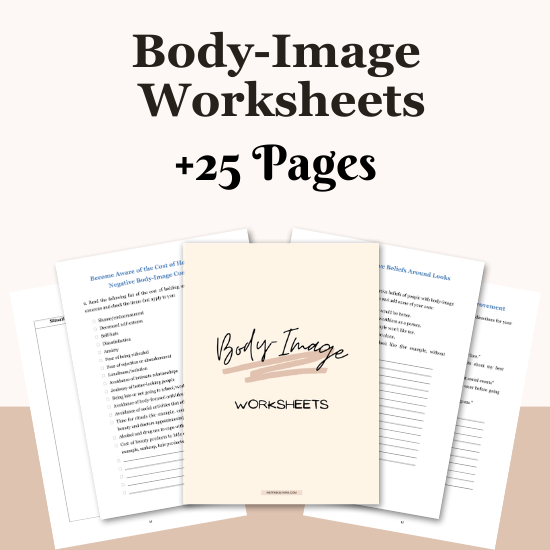
Related: Struggling with Body Image? These Worksheets Support Healing and Self-Acceptance
How Comparison Manifests in Daily Life?
Comparison doesn’t always announce itself loudly. It sneaks into small moments:
- Glancing at a friend’s body before your own in photos
- Feeling inferior when scrolling through “before and after” posts
- Measuring your progress against someone else’s fitness routine
- Assuming others are more confident because of their appearance
- Believing happiness belongs only to certain body types
Each comparison chips away at presence, pulling you out of your own lived experience.
The Emotional Toll of Comparison
Comparison offers no real comfort—it fuels dissatisfaction. Instead of motivating, it often creates paralysis: a sense that no effort will ever be enough. It fosters resentment toward others, guilt toward yourself, and a fractured sense of identity.
The more you compare, the less you see yourself clearly. Your body becomes an object of constant scrutiny rather than a vessel carrying you through life.
How to Stop Comparing Your Body to Others?
1. Recognize When Comparison Shows Up
The first step to breaking comparison is noticing it in real time. Pay attention to the moments you feel smaller, not enough, or critical of yourself after seeing someone else. Awareness is powerful because it allows you to pause instead of spiraling.
2. Limit Triggers That Fuel Comparison
Social media, magazines, and even certain conversations can amplify comparison. Make it a habit to unfollow or mute accounts that leave you feeling inadequate. Replace them with content that normalizes diverse, real bodies. What you see daily shapes what you believe.
3. Remember That Appearances Don’t Tell the Full Story
Bodies carry invisible stories — health challenges, genetics, personal struggles, or sacrifices you cannot see. Remind yourself that a snapshot of someone’s body is never the full picture. This perspective loosens the grip of comparison.
4. Reframe the Comparison Into Appreciation
Instead of turning someone else’s body into a mirror to judge yourself, shift it into admiration without self-criticism. “She looks strong” can stand as appreciation without the unspoken, “and I don’t.” You can acknowledge beauty in others without devaluing your own.
Related: How To Break Emotional Eating? Top 8 Powerful Ways To Stop Comfort Eating
5. Focus on What Your Body Can Do
Comparison thrives when you see your body only as an image. Redirect focus to function. Notice your body’s strength in climbing stairs, its softness in offering comfort, or its resilience in carrying you through illness and stress. Function builds gratitude where comparison builds shame.
6. Practice Gratitude for Your Unique Traits
Each body has features that make it distinct — your smile, your freckles, your curves, your posture. Each day, pick one and consciously appreciate it. The more you practice gratitude, the less room you leave for judgment.
7. Speak Kindly to Yourself in Comparison Moments
When you catch yourself comparing, pause and offer a compassionate phrase. “It’s okay that my body is different. Different doesn’t mean less.” Replacing harsh self-talk with gentler language helps you detach worth from appearance.
8. Anchor Yourself in Your Values
Your body is only one part of who you are. When comparison strikes, remind yourself of what matters more: your kindness, creativity, strength, or relationships. Grounding yourself in values re-centers your worth beyond physical appearance.
9. Surround Yourself With Supportive People
The people around you shape how you see yourself. Spend time with those who appreciate you for who you are, not just how you look. Supportive environments reduce the power of comparison and remind you of your inherent worth.
Related: How to Stop Emotional Eating?
10. Celebrate Progress, Not Perfection
Instead of focusing on how you compare to others, focus on how far you’ve come. Celebrate progress in how you treat your body — whether it’s choosing rest, moving joyfully, or speaking more kindly to yourself. Progress fosters peace, while comparison fuels dissatisfaction.
Related: What Is A Distorted Self Image & How To Build A Positive One?
Conclusion
Comparison will always be tempting, but it doesn’t have to rule your relationship with your body. By noticing when it arises, limiting triggers, reframing your perspective, and grounding yourself in gratitude and values, you can step away from the endless measuring contest. Your body was never meant to match someone else’s — it was meant to carry you through your unique life. When you stop comparing, you create space for respect, acceptance, and freedom in your own skin.