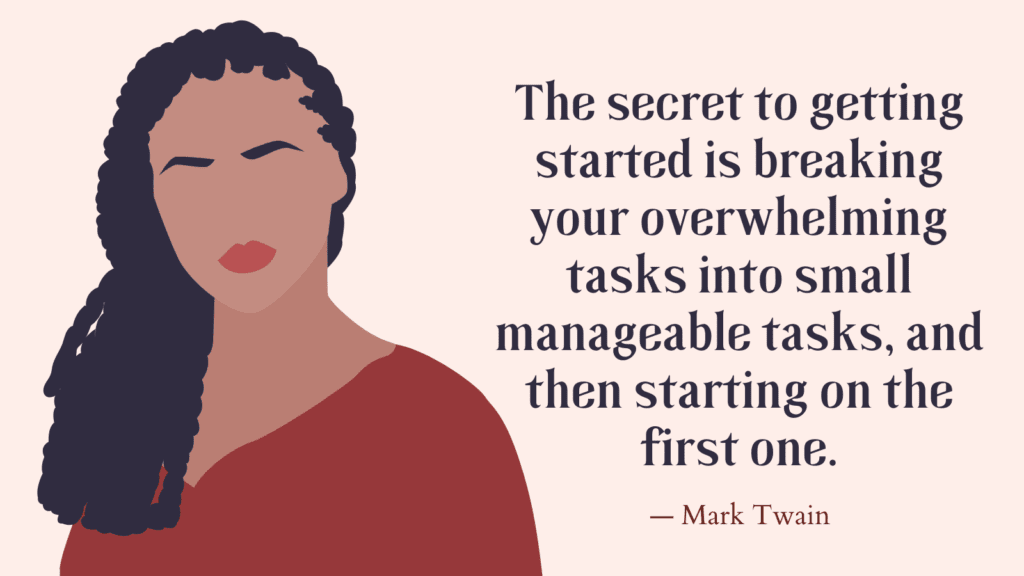
The compound effect means small actions repeated daily create big results over time. Most people ignore small actions because they feel insignificant. Then they expect big changes quickly and give up when nothing happens.
Your life is already shaped by the compound effect. The question is whether it is working for you or against you.
What the Compound Effect Actually Is
It is consistency over time.
It looks like:
• Small actions done daily
• Results that are slow at first
• Progress that builds gradually
• Outcomes that become noticeable later
The change is not immediate.
It accumulates.
Why It Feels Like It’s Not Working
In the beginning:
• Results are invisible
• Effort feels small
• Progress feels slow
You may think:
• “This isn’t doing anything”
But the effect is building in the background.
How to Use the Compound Effect to Change Your Life?
1. Understand that small actions are not small over time
A single action feels meaningless. Repeated daily, it becomes powerful.
What to do:
Shift your thinking:
• Not “this is too small to matter”
• But “this will matter if I repeat it”
Take small actions seriously.
2. Pick one area to apply it first
Trying to change everything at once breaks consistency.
What to do:
Choose one:
• Health
• Work
• Daily habits
Focus there until it becomes stable.
3. Define one simple daily action
Keep it clear and repeatable.
What to do:
Examples:
• Walk 10 minutes
• Read 5 pages
• Work for 30 minutes
The key is daily repetition.
4. Lower the barrier to start
If it feels too big, you will skip it.
What to do:
Make it easy:
• 5 minutes instead of 30
• One task instead of many
Consistency matters more than size.
5. Do it every day, not just when you feel like it
The compound effect depends on consistency.
What to do:
Set a rule:
• “I do this daily, no exceptions”
Even on low-energy days, do a smaller version.
6. Track your actions visibly
Progress is hard to notice without tracking.
What to do:
Use a simple system:
• Mark each day you complete the action
• Keep a list or calendar
This builds momentum.
7. Focus on the process, not immediate results
You will not see results right away.
What to do:
Measure:
• “Did I do the action today?”
Not:
• “Did this change my life yet?”
Results come later.
8. Avoid breaking the chain
Skipping once makes it easier to skip again.
What to do:
If you miss a day:
• Restart immediately the next day
Do not let one miss turn into a pattern.
9. Stack small habits together
Once one habit is stable, add another.
What to do:
Example:
• Walk daily → then add reading
• Reading daily → then add planning
Build gradually.
10. Remove small negative habits
The compound effect works both ways.
What to do:
Reduce:
• Constant scrolling
• Skipping tasks
• Small avoidant behaviors
These add up over time.
11. Use time blocks instead of vague effort
Vague effort leads to inconsistency.
What to do:
Set:
• 10–30 minute blocks
Work only during that time. Keep it structured.
12. Stay patient with slow progress
Most people quit because results feel too slow.
What to do:
Remind yourself:
• “This builds over time”
Keep going even when you do not see change yet.
13. Keep your environment supportive
Your surroundings affect your consistency.
What to do:
• Reduce distractions
• Keep tools ready
• Make the action easy to start
Environment supports habit.
14. Reinforce your identity through action
Your actions shape how you see yourself.
What to do:
After completing your habit, say:
• “This is what I do now”
Build identity through repetition.
15. Adjust without quitting
If something is not working, change it slightly.
What to do:
• Shorten the time
• Simplify the task
Do not stop completely.
16. Think long-term, not short-term
The compound effect is slow at first, then builds.
What to do:
Focus on:
• Months, not days
• Years, not weeks
This keeps you consistent.
Conclusion
The compound effect works quietly. Small actions done daily create results that feel sudden later, but are built over time. When you focus on consistency, reduce negative habits, and stay patient, you create change that lasts. You do not need big actions. You need small actions done repeatedly.