Find helpful resources for understanding and breaking trauma bonds, including a quiz, books, blog posts, support and safety resources, podcasts, YouTube videos, and TED or TEDx Talks.
Table of Contents
Quiz
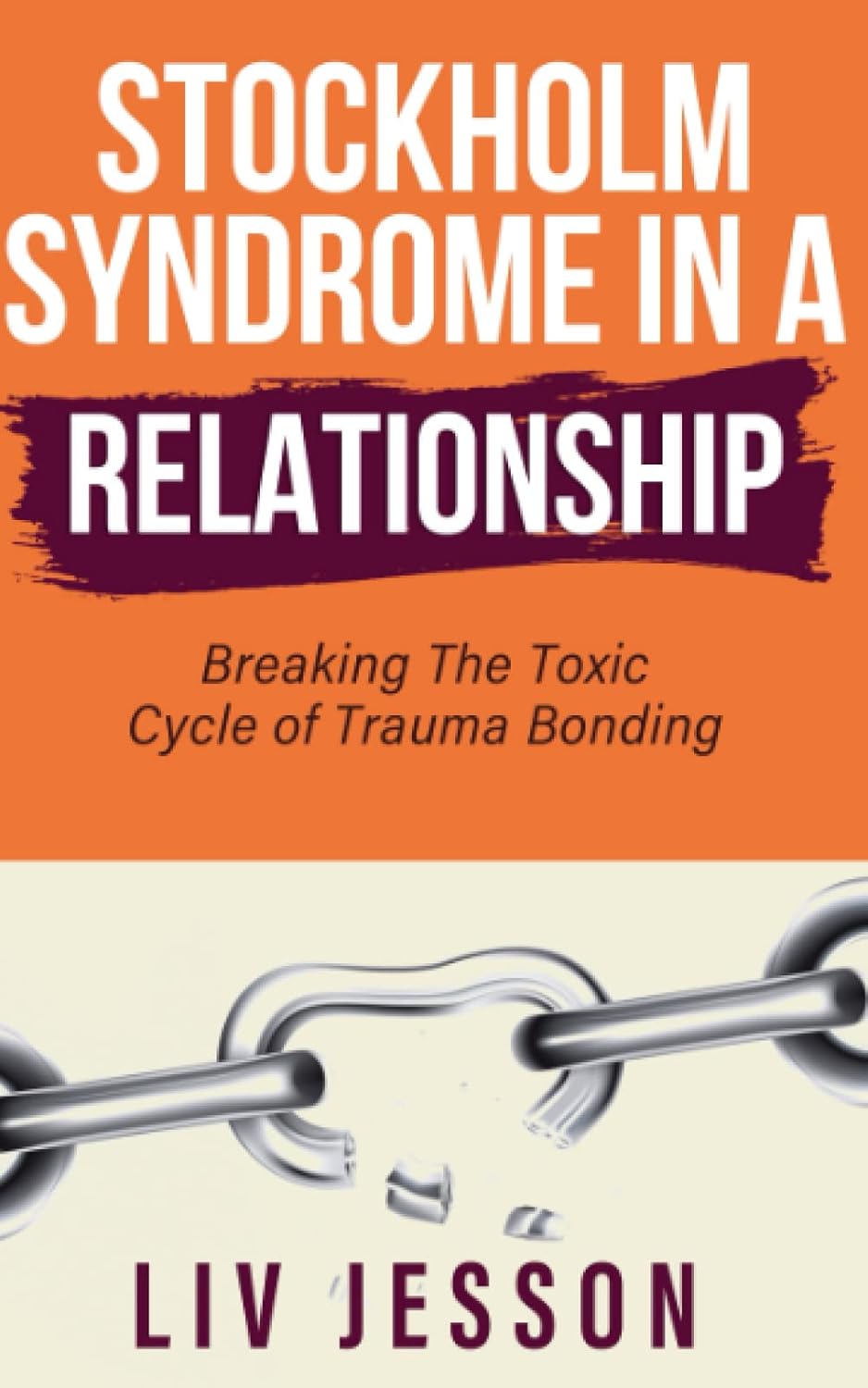
Books


Blog Posts
- What Makes You Vulnerable to Trauma Bonds?
- How to Help a Friend Who Is in a Trauma Bond?
- The Difference Between Trauma Bonding and Genuine Love
- 9 Signs You’re In a Fantasy Bond, Not Love
- 7 Stages Of Trauma Bonding
- How to Break Trauma Bond with a Narcissist? Top 6 Ways
- Top 10 Trauma Bond Withdrawal Symptoms (+7 Tips on How to Relieve them)
Support and Safety Resources
- National Domestic Violence Hotline — Safety Planning
Click here
Provides practical safety-planning tools for people currently experiencing abuse, preparing to leave, or rebuilding safety after leaving. Plans can cover physical safety, children, pets, technology, and other circumstances.
Trauma Bond Podcasts
- Breaking the Trauma Bond — You Are Not Crazy
Click here
A focused episode covering how trauma bonds form, why people can remain emotionally attached to someone who hurts them, why separation can feel like withdrawal, and practical first steps toward breaking the pattern. - Why Trauma Bonding Feels So Much Like Love — The Psychology of Your 20s
Click here
A 2026 episode specifically distinguishing trauma bonding from simply “bonding over trauma.” It covers how trauma bonds develop, signs to look for, why they feel intense, and steps toward breaking away. - Trauma Bonding — The Deconstructed Woman
Click here
Discusses how cycles of mistreatment and intermittent positive experiences can be mistaken for intense love and why attempts to fix or rescue a partner can strengthen unhealthy relationship patterns.
YouTube Videos About Trauma Bonds
- How to Break the Trauma Bond With a Narcissist — Dr. Ramani
Click here
Dr. Ramani explains why trauma bonds can feel difficult to break and discusses strategies for separating from the cycle of reinforcement that keeps someone emotionally attached to an unhealthy relationship. - The Crisis Trauma Bond With a Narcissist — Dr. Ramani
Click here
Explains how periods of crisis can strengthen an unhealthy attachment when the same person who causes distress later provides comfort or rescue.
TED & TEDx Talks
- Psychological Abuse — Caught in Harmful Relationships — Signe M. Hegestand
Click here
One of the most relevant TEDx talks for trauma bonding. Psychologist Signe Hegestand explores why people can remain in psychologically abusive relationships and how unconscious relationship patterns contribute to staying attached. - The Courage to Leave — Norah Casey
Click here
A survivor’s account of why leaving an abusive relationship is far more complicated than simply deciding to walk away. It examines the progression of abuse and the difficulty and risk involved in leaving.