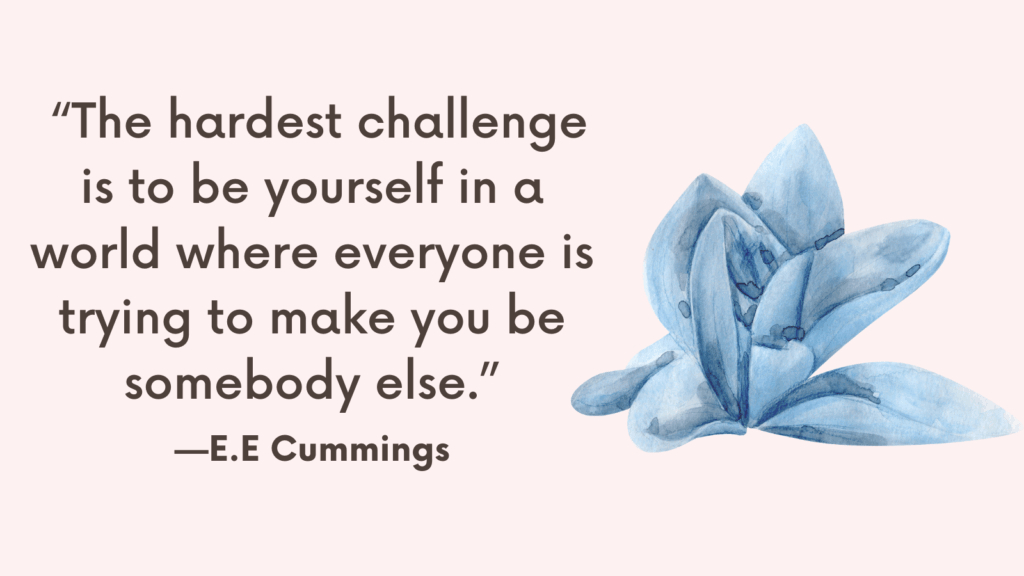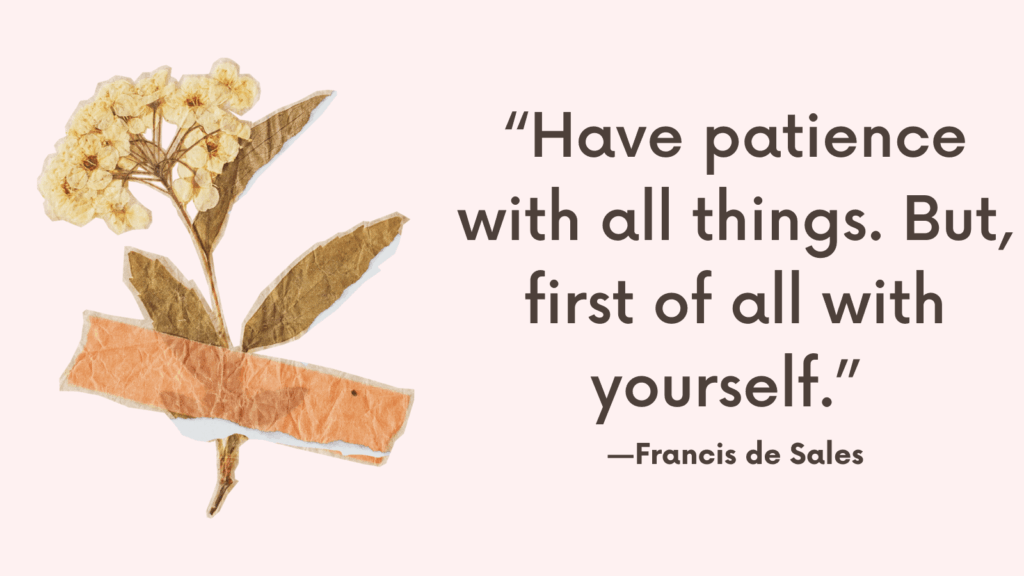
Cosmetic treatments can be empowering when chosen mindfully—but when driven by insecurity, impulse, or comparison, they can become emotionally harmful. Before booking another appointment, it’s important to pause and ask: Is this coming from self-care—or self-rejection? These questions help you check in with your motives, mindset, and emotional needs before making any changes to your face or body.
10 Questions to Ask Before Getting Another Cosmetic Treatment
1. Am I doing this to feel better—or to feel enough?
Cosmetic procedures can enhance confidence, but they can’t fix deep-rooted self-worth. Ask: Do I believe I’m already worthy without this?
2. What am I hoping this will change in my life?
Beyond looks—what are you expecting to shift? Love? Success? Validation? If the answer goes beyond aesthetics, pause and explore those deeper longings.
3. Am I seeking this from a place of peace—or pain?
If you’re acting out of heartbreak, criticism, trauma, or comparison, give yourself time to emotionally regulate before deciding.
Related: Struggling with Body Image? These Worksheets Support Healing and Self-Acceptance
4. How often do I think about altering my appearance?
If it’s become obsessive or constant, that’s a red flag. You may be chasing emotional relief, not aesthetic change.
5. Would I still want this if no one else ever saw it?
This question strips away social media, external validation, and public opinion. It brings the focus back to your own relationship with your body.
6. Have I processed past procedures emotionally?
Ask: Did my last treatment bring me peace, or did it spark a desire to change something else?
Unprocessed disappointment or addiction may be quietly building.
7. What message am I sending to my younger self?
Would 10-year-old you feel safe and respected by this choice—or would they feel like they’re not enough? Your inner child matters here.
Related: What Is A Distorted Self Image & How To Build A Positive One?
8. What’s the cost—emotionally, not just financially?
Consider stress, body image distress, time spent recovering, and the emotional labor of constantly altering yourself.
9. Have I talked to someone neutral about this?
A therapist, trusted friend, or mentor can help you explore your motives with clarity. If you feel defensive about the conversation, that’s worth examining.
10. If I never changed anything about my face or body again—could I still live a full, beautiful life?
The answer to this question reveals whether you’re chasing enhancement… or trapped in a cycle of never feeling enough.
Related: Top 5 Body Dysmorphia Exercises (Cognitive Behavioral Therapy For BDD)
How to Overcome Cosmetic Surgery Addiction?
1. Acknowledge the Pattern Without Shame
You’re not “superficial.” You’re likely in pain. Say:
“I’ve used surgery to feel better about myself. But now it’s become a pattern I want to understand—not repeat.”
Naming the cycle is the first step out of it.
2. Ask: What Am I Really Trying to Fix?
Is it the feature—or the feeling?
- “Will this surgery fix my loneliness?”
- “Will it finally make me feel worthy?”
If the goal is emotional healing, no procedure will ever be enough.
Related: Best 9 Body-Focused Repetitive Behaviors (BFRBs) Books
3. Take a Break From All Consultations and Research
Delete clinic apps. Cancel upcoming non-essential procedures. Step back from planning and give your mind time to rest. Silence the pressure to “fix” something immediately.
4. Seek Therapy With a Body Image or Trauma Specialist
Body dysmorphia, perfectionism, and past trauma often fuel cosmetic surgery addiction. Therapy helps you unpack where the self-rejection started—and how to rewrite your story.
5. Practice Self-Validation Outside of Appearance
Each day, affirm who you are without referencing looks. Try:
“I am kind. I am thoughtful. I am growing.”
Build your worth on being—not appearance.
Related: Best 7 Body Dysmorphia Books
6. Detox From Appearance-Driven Content
Unfollow influencers or accounts that normalize constant “tweaks.” Curate a feed of real bodies, diverse faces, and messages that celebrate self-acceptance.
7. Connect With Your Body in Non-Aesthetic Ways
Stretch, dance, breathe deeply, walk slowly. Let your body be lived in, not just looked at. Learn to feel safe in your skin, not obsessed with changing it.
8. Identify the Emotional Triggers That Lead to Surgery Thoughts
Rejection, breakups, criticism, comparison—they all feed the “I need to change myself” loop. Recognize these triggers and replace the surgery urge with emotional care.
9. Create a Grounded Ritual When You Feel the Urge to Change Something
Instead of calling a clinic, try:
- Journaling what you’re feeling
- Naming your inner critic
- Texting someone who sees your true self
This helps you pause and reflect before reacting.
10. Redefine What Wholeness Means to You
You are not a project. You are not your face. You are not a before-and-after photo. You are a living, breathing person—worthy of love, dignity, and rest from self-criticism.
Related: Top 21 Body Image Journal Prompts (+FREE Worksheets)

Conclusion
You don’t need permission to change your appearance—but you do deserve to make that choice from a place of love, not lack. Ask these questions not to shame yourself, but to stay aligned with your truth. Your beauty doesn’t need to be manufactured—it needs to be trusted. And your worth? It’s already here.