Social media can be a place of connection, creativity, and learning, but it can also quietly harm how you see yourself. Endless comparison, curated perfection, and appearance-centered content feed insecurity and make it harder to accept your body as it is. Protecting your body image doesn’t mean abandoning social media completely — it means setting clear rules so your feed supports your well-being rather than undermines it.
The Double-Edged Nature of Social Media
Social media is both a window and a mirror. It connects you to others, but it also reflects back endless standards of beauty, success, and belonging. What begins as casual scrolling can quietly become a space of constant comparison, fueling dissatisfaction with your own body. The curated images, filters, and highlight reels rarely show the truth, yet the brain absorbs them as reality. Over time, this shapes how you see yourself.
How Social Media Warps Perception
The feed you consume trains your eyes and mind. Repeated exposure to certain body types creates an illusion of “normal,” even when it’s unattainable or edited. This distortion influences not only how you see others but also how harshly you judge yourself. What feels like innocent scrolling is actually a steady conditioning of your sense of worth.
The Hidden Messages Beneath Images
Every image on social media carries unspoken rules: thinner equals more disciplined, toned equals happier, certain features equal more desirable. Even when you logically know images are filtered or staged, the emotional impact lingers. The body becomes a project to manage instead of a home to live in.
The Cost of Digital Comparison
When social media use is unexamined, it deepens insecurity. It creates silent competitions, encourages self-objectification, and keeps your attention fixed outward instead of inward. Instead of asking, “How do I feel in my body?” you start asking, “How do I look compared to them?” This constant measurement leaves little room for peace.
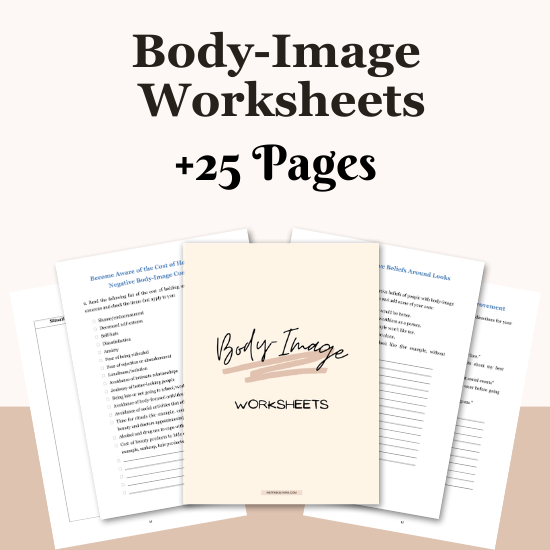
Related: Struggling with Body Image? These Worksheets Support Healing and Self-Acceptance
What Protecting Your Body Image Really Means
Protecting your body image on social media isn’t about deleting every app or never looking at a screen again. It’s about safeguarding the relationship you have with yourself. It means remembering that you are not an algorithm’s product, and your worth is not determined by likes, followers, or filters.
Social Media Rules for Protecting Your Body Image
1. Curate Your Feed With Intention
Follow accounts that promote body diversity, body neutrality, or self-acceptance. Actively unfollow or mute accounts that trigger comparison or make you feel inadequate. Your feed should feel like a safe space, not a constant judgment.
2. Limit Passive Scrolling
Mindless scrolling often leads to unconscious comparison. Set a time limit or decide to check social media with purpose — to connect, learn, or share — instead of using it as a filler. Awareness turns scrolling into choice rather than compulsion.
3. Avoid Accounts Focused Only on Aesthetics
Influencers who constantly post weight-loss tips, edited images, or “perfect” bodies fuel unhealthy ideals. Replace them with creators who talk about hobbies, skills, ideas, or everyday life beyond appearance. This broadens your perspective on worth.
Related: How To Break Emotional Eating? Top 8 Powerful Ways To Stop Comfort Eating
4. Use the Mute and Block Buttons Freely
If certain people in your circle post content that harms your body image, use mute or block options without guilt. Protecting your mental health matters more than avoiding awkwardness.
5. Pay Attention to Your Emotional Reactions
After scrolling, check in: do you feel inspired, neutral, or worse about yourself? Use this as a filter for who stays in your feed. If an account consistently leaves you feeling insecure, it’s a sign to step back.
6. Stop Comparing Highlight Reels to Real Life
Remind yourself that most social media content is curated, edited, or staged. No one shares every angle, struggle, or flaw. Comparing your reality to someone else’s highlight reel is an unfair match.
7. Balance What You Consume
Make sure your feed isn’t dominated by appearance-related content. Follow accounts about travel, cooking, humor, art, history, or anything that excites you. This balance helps you remember you are more than how you look.
8. Avoid Over-Checking Likes and Comments
Measuring your worth by engagement numbers fuels insecurity. Post what matters to you, then resist repeatedly checking for validation. Confidence grows when your value isn’t tied to online approval.
Related: How to Stop Emotional Eating?
9. Use Social Media as a Tool, Not a Mirror
Decide how you want to use social media — for connection, creativity, or learning — and stick to it. When you use it as a mirror to judge yourself against others, body image struggles intensify.
10. Take Regular Detox Breaks
Step away from social media periodically to reset. Even a day or weekend off can help you notice how much lighter you feel when you’re not constantly exposed to comparison triggers. Returning with fresh boundaries strengthens your control.
11. Post Authentically
If you choose to post, share things that reflect your real life, not just curated perfection. This reinforces to yourself and others that authenticity matters more than flawless appearances.
12. Replace Doomscrolling With Positive Action
When you catch yourself spiraling through images that harm your body image, stop and redirect. Read, walk, journal, or call a friend. Replacing harmful scrolling with nourishing actions creates healthier habits over time.
13. Protect Your Mornings and Nights
Avoid starting or ending your day with social media. What you see in those vulnerable moments sets the tone for how you feel about yourself. Use mornings for grounding and evenings for winding down instead.
Related: What Is A Distorted Self Image & How To Build A Positive One?
14. Question Body Trends
Trends that glorify certain shapes, diets, or looks are often marketing strategies designed to sell products. Remember that your worth is not a trend — it doesn’t expire when beauty standards shift.
15. Surround Yourself With Online Communities That Value You
Join groups or communities where body respect is the norm — whether that’s body-positive spaces, support circles, or interest-based groups that celebrate people for their skills and contributions. A supportive digital environment reinforces healthier self-perceptions.
Related: Top 21 Body Image Journal Prompts (+FREE Worksheets)
Conclusion
Social media can either erode or strengthen your body image depending on how you use it. By curating your feed, setting limits, avoiding comparison traps, and engaging with content that reflects reality and diversity, you turn social media into a tool that supports your confidence rather than weakens it. Protecting your body image online is about consistent choices that prioritize mental health over unrealistic ideals, so you can stay grounded in who you are rather than how you appear.