Cravings feel urgent, overwhelming, and convincing. They can make you believe that acting on them is the only way to get relief. But a craving is not a command — it is a temporary emotional and physical surge that rises, peaks, and falls. Learning to ride out a craving means staying present long enough for the wave to pass without giving it power over your choices. This skill grows with practice, not perfection.
Why Cravings Feel So Overwhelming
Cravings activate the same pathways involved in stress, reward, relief, and escape. They don’t just pull from desire. They pull from memory, habit, emotional patterns, and the promise of an instant shift in how you feel. The intensity comes from your brain remembering the relief, not the consequences.
The Emotional Layer Beneath the Urge
Most cravings carry an emotional root. Underneath the pull is often:
A need for comfort
A need for distraction
A need for numbness
A need for grounding
A need for control
A need for escape
A need for soothing
The craving is the messenger, not the solution.
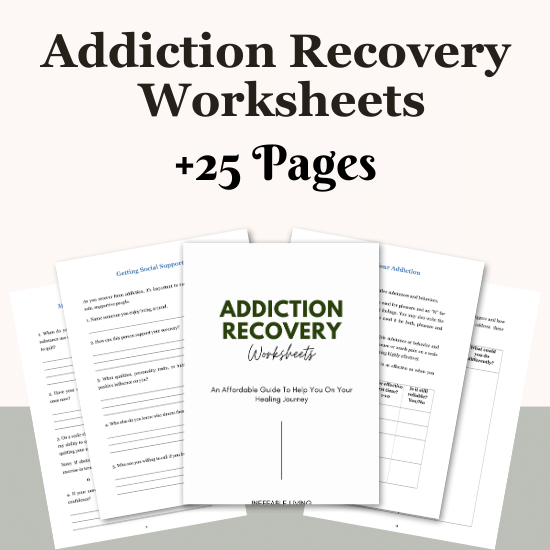
Related: Struggling with Addiction? These Worksheets Will Support Every Step of Recovery
How to Ride Out a Craving Without Acting on It?
1. Acknowledge the Craving Instead of Fighting It
Cravings intensify when you resist or deny them. Simply saying, “I’m having a craving right now,” reduces the panic around it. Naming the experience takes away its secrecy and its emotional pressure.
2. Separate the Craving From Your Identity
A craving is a moment — not a character flaw, failure, or prediction. Thinking “I am craving” rather than “I need this” reframes it as a passing urge instead of a personal truth.
3. Remind Yourself That a Craving Has a Time Limit
Most cravings peak and drop within minutes. They feel endless, but they are temporary surges. Knowing the pattern helps you stay steady through the intensity instead of reacting impulsively.
4. Pause Before Doing Anything
Creating a brief pause interrupts the automatic cycle of craving → action. Even a 30-second pause helps your mind separate desire from behavior. This pause builds self-control over time.
5. Shift Your Attention Away From the Object of the Craving
Focusing on the craving makes it feel stronger. Gently redirect your thoughts toward something neutral or distracting. Attention is fuel — choose not to feed the urge.
6. Change Your Physical Position
Move to a different room, stand up, sit down, stretch, or walk. Physical movement interrupts mental momentum and gives your body a reset signal.
Related: How to Break the Addiction Cycle? [Definitive Guide]
7. Use Short-Term Distraction to Break the Urge
Do something small that occupies your mind for a few minutes — wash your hands, step outside, turn on music, grab a drink of water. Temporary tasks help the craving lose intensity while you wait for it to pass.
8. Breathe Through the Urge Instead of Trying to Escape It
Slow breathing helps calm the intensity of a craving. It doesn’t eliminate the urge — it helps you stay in control long enough for it to weaken naturally.
9. Tell Yourself You Can Have It Later if You Still Want It
This prevents the “now or never” panic that cravings create. Often, by the time “later” arrives, the craving has faded and no action is needed.
10. Notice the Emotional Trigger Behind the Craving
Cravings often mask stress, boredom, loneliness, frustration, or discomfort. Ask: “What am I actually feeling right now?” This reveals the real need underneath the urge.
Related: How to Enjoy Being Sober? (+FREE Worksheets)
11. Allow the Craving to Be Uncomfortable
The discomfort feels threatening, but it is safe. Treat the craving like a wave — something to stay present with until it recedes. You don’t need to escape discomfort to survive it.
12. Remind Yourself What Acting on the Craving Leads To
Cravings make you focus on immediate relief and forget long-term consequences. Bringing those consequences back into awareness weakens the appeal.
13. Don’t Judge Yourself for Having the Urge
Shame strengthens cravings by adding emotional pressure. You do not need to be perfect — you just need to stay present. Cravings happen to everyone.
14. Use Self-Talk That Keeps You Grounded
Simple phrases like “This will pass,” “I can handle this,” or “I don’t have to act on this” help steady you. The craving becomes manageable instead of overwhelming.
15. Visualize the Craving as a Wave Rising and Falling
Imagining a wave helps you stay focused on the temporary nature of urges. When the peak hits, remind yourself that the crash comes next.
Related: How Childhood Trauma Leads to Addiction: Top 9 Causes
16. Keep Your Hands Busy
Engaging your hands — writing, squeezing something, drawing, fidgeting — helps redirect physical energy. Cravings often weaken when the body is occupied.
17. Recognize That Relief Comes From Not Acting
Acting on a craving gives a moment of relief but strengthens future urges. Riding it out builds a deeper kind of relief — the relief of knowing you stayed in control.
Related: Best 7 Emotional Sobriety Books
Conclusion
Riding out a craving is a practice in staying present, patient, and grounded. With time, the cravings lose intensity and frequency — not because they disappear entirely, but because you learn that you have the strength to let them pass without surrendering to them.