Table of Contents
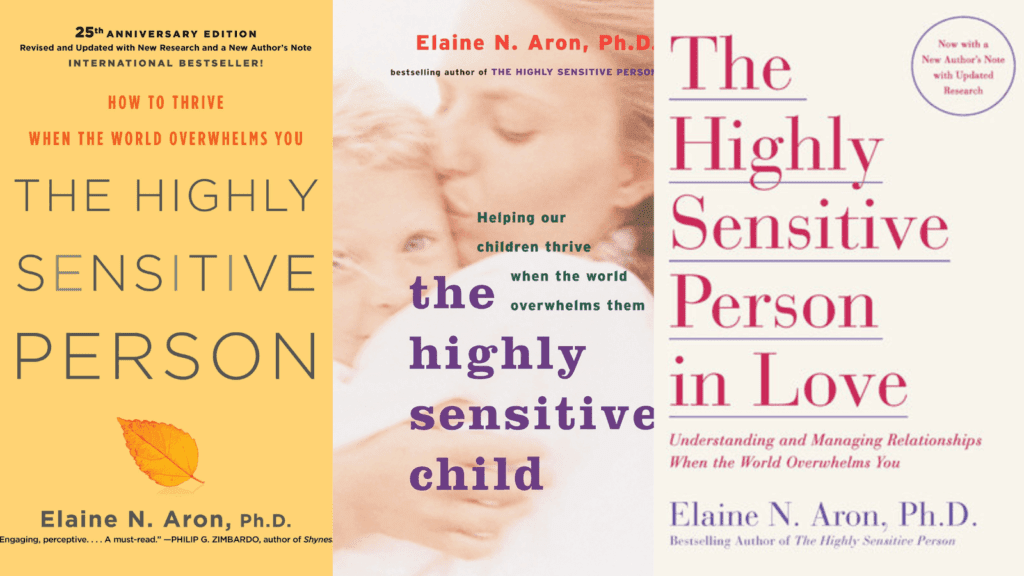
Books


Blog Posts
- Best 11 Imposter Syndrome Exercises To Stop Feeling Like A Fraud
- 10 Daily Habits That Secretly Destroy Your Confidence
- Perfectionism at Work: Why You Never Feel “Good Enough”
- How to Separate Your Worth From Your Performance?
- How to Handle Making Mistakes When You Have Imposter Syndrome?
- How to Challenge Imposter Syndrome Thoughts?
- Signs You Have Imposter Syndrome
- What Imposter Syndrome Can Look Like in Everyday Life
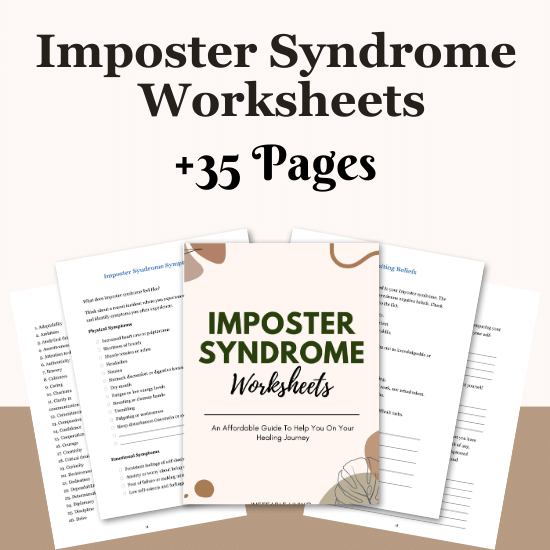
Imposter Syndrome Journal Prompts
- What situations make me feel most like an imposter, and what am I afraid people will discover about me?
- What do I usually tell myself when I feel less capable than the people around me?
- What evidence do I actually have that I am qualified for the role, opportunity, or responsibility I currently have?
- What accomplishments do I regularly minimize because they now feel normal to me?
- What skills do I have today that I once had to work hard to learn?
Imposter Syndrome Podcast Episodes
- How to Overcome Feeling Like an Impostor — Speaking of Psychology
Click here
Counseling psychologist Lisa Orbé-Austin and psychologist Kevin Cokley explain why successful people can still feel fraudulent. They discuss perfectionism, overachievement, underachievement, workplace factors, identity, and ways to challenge the belief that your achievements do not really count. - Imposter Syndrome, Work, and Mental Health — The Anxious Achiever
Click here
Psychologist Lisa Orbé-Austin discusses how imposter syndrome appears at work, why high achievers are particularly vulnerable to it, and what people can do to stop feeling as though they are constantly pretending to be competent. - Fighting Imposter Syndrome — Dr. Lisa Orbé-Austin
Click here
Covers common signs of imposter syndrome, perfectionism, self-worth, childhood influences, overworking, self-sabotage, and how imposter feelings can affect relationships as well as professional life. - Imposter Syndrome With Eyal Pavell — Meyler Campbell Podcast
Click here
Clinical psychologist and executive coach Eyal Pavell explains common signs of imposter syndrome and practical ways of responding to it. The episode is also useful for therapists and coaches working with clients who continually dismiss their own competence.
TED & TEDx Talks About Imposter Syndrome
- What Is Imposter Syndrome and How Can You Combat It? — Elizabeth Cox
Click here
One of the clearest introductions to imposter syndrome. This TED-Ed talk explains why accomplished people may still believe they do not deserve their success and offers practical ways to question those beliefs. - Thinking Your Way Out of Imposter Syndrome — Valerie Young
Click here
Imposter syndrome expert Valerie Young explains how people with imposter feelings interpret competence differently from people who feel confident. She focuses on changing the thinking patterns that turn ordinary mistakes, uncertainty, and learning into supposed proof that you are a fraud. - How You Can Use Impostor Syndrome to Your Benefit — Mike Cannon-Brookes
Click here
A relatable talk about experiencing self-doubt despite considerable professional success. Cannon-Brookes argues that feeling uncertain does not automatically mean you are unqualified and shows how doubt can sometimes push you to ask questions, learn, and improve. - Imposter Syndrome: Overcoming the Voice From Within — Sian Proctor
Click here
Focuses on the internal voice that says you do not belong or are less qualified than everyone around you. Proctor discusses continuing to pursue opportunities instead of treating those thoughts as evidence that you should step back. - Own It: Combating Imposter Syndrome — Meredith Peebles
Click here
Discusses the tendency to attribute achievements to luck, timing, charm, or other people instead of acknowledging your own contribution. The talk focuses on taking ownership of your skills, choices, goals, and achievements. - The One Thing No One Told You About the “Impostor Syndrome” — Christina Whittaker
Click here
Explores what happens when someone knows they are capable but still feels misplaced, inadequate, or unsure where they belong. Useful for examining whether the problem is simply self-doubt or whether something about your current environment or direction also needs to change. - Letting Go of Impostor Syndrome — Matt Clark
Click here
Uses personal experience to explore how beliefs about competence can continue even when outside evidence contradicts them. The talk encourages examining the beliefs that make accomplishments feel undeserved rather than automatically accepting those beliefs as facts.