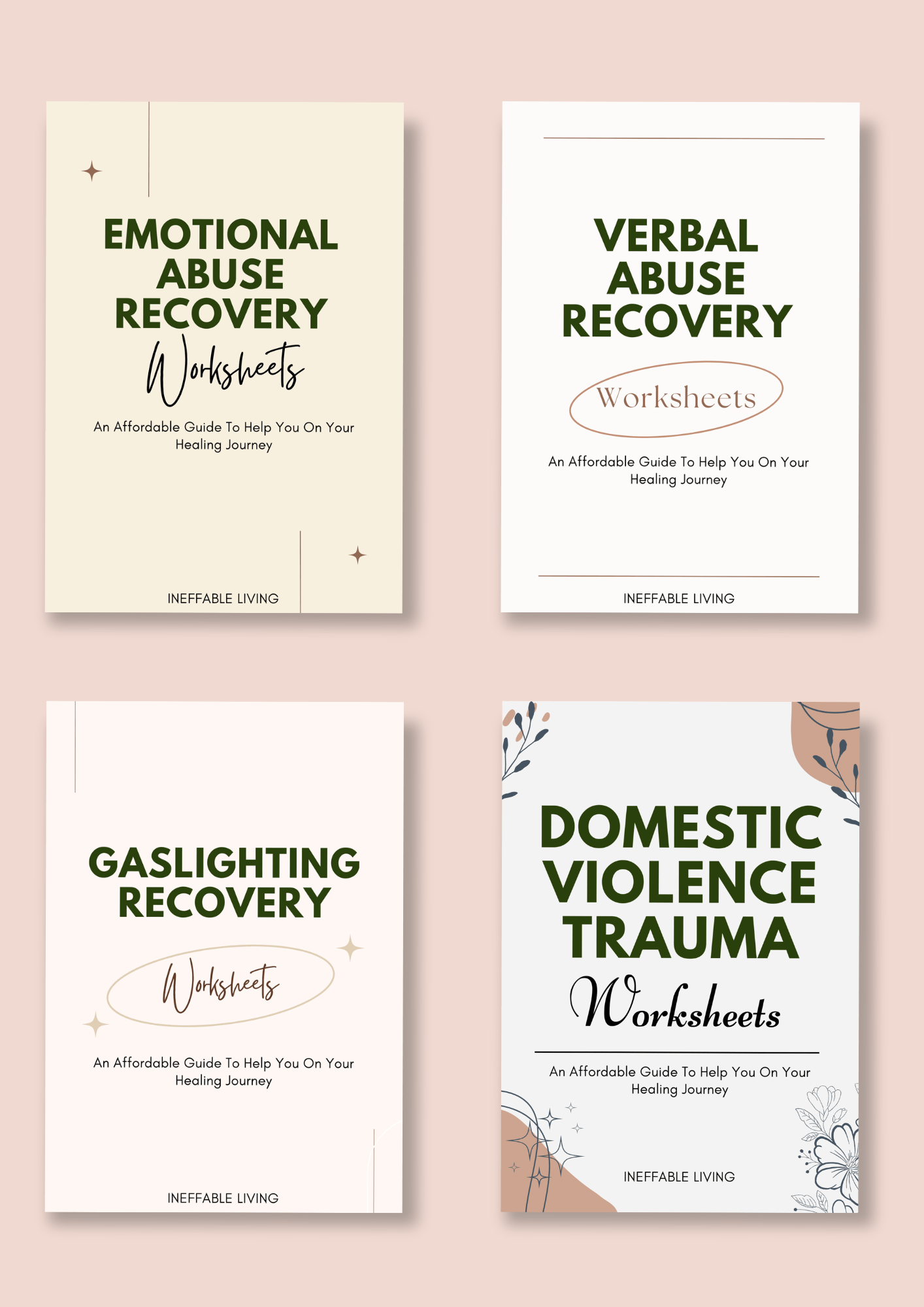
Find supportive resources for understanding and recovering from abuse, including a quiz, books, blog posts, in-person and online support groups, safety resources, safety apps, podcasts, and TED or TEDx Talks.
Quiz
Books


Blog Posts
- Why Abusers Believe Their Own Lies?
- What Is Financial Abuse? Signs You Might Have Missed
- How “Just Joking” Becomes Verbal Abuse
- Boundaries That Help You Heal After Emotional Abuse
- Top 10 Tips on Healing From Hidden Abuse
- Healing From Emotional Abuse In 12 Practical Steps
- Can Abusive Men Change? Top 17 Myths About Abusive Men That Make Women Stay With Abusers
- Top +25 Things Abusers Say To Their Victims
Support Groups For Emotional Abuse
Hub of Hope
UK-wide mental health service that helps you find local, national, peer, community, charity, private and NHS mental health support.
Emotional Abuse Support Groups Online
Meetup
Meetup is a platform for hosting and organizing in-person and virtual activities, gatherings, and events for people and communities of similar interests, hobbies, and professions.
“Find out what’s happening in Healing from an Abusive Relationship Meetup groups around the world and start meeting up with the ones near you.”
Women’s Emotional Abuse Support Group
A Facebook group run by women who may have shared similar experiences.
Abuse Safety and Help Resources
- National Domestic Violence Hotline
Click here
A major resource for domestic and relationship abuse, including emotional abuse, physical violence, financial control, gaslighting, coercive control, stalking, sexual coercion, and technology-facilitated abuse. It offers safety planning, live advocates, information about abuse, and connections to local shelters, legal help, counseling, and other services. - Love Is Respect — Types of Abuse
Click here
A clear guide to physical, emotional, verbal, sexual, financial, and technology-facilitated abuse as well as stalking. It gives specific examples that can help someone distinguish ordinary relationship conflict from patterns of power and control. - RAINN — Sexual Assault Support
Click here
Provides confidential support for sexual assault and sexual abuse survivors. It also offers information about medical care, reporting options, emotional recovery, and connecting with specialized sexual-assault services. - Childhelp National Child Abuse Hotline
Click here
Provides support for children, adults who experienced childhood abuse, parents, caregivers, and anyone concerned that a child may be experiencing abuse or neglect. Counselors can help someone think through what is happening, make a safety plan, and find the correct local reporting or support resources. - Workplace Bullying Institute — Help for Targets
Click here
Focuses specifically on repeated workplace intimidation, humiliation, sabotage, verbal abuse, exclusion, and other bullying behaviors. It includes practical education, recovery resources, workplace strategies, and support for people trying to decide how to respond.
Abuse Safety Apps
- myPlan
Click here
A research-backed safety-planning tool for people who may be experiencing abuse in an intimate relationship or who are concerned about someone else. It helps users assess relationship risks and think through personalized safety options rather than telling everyone to handle abuse in exactly the same way. - Bright Sky
Click here
A domestic-abuse support app and website with information about different forms of abuse, relationship-safety questionnaires, support directories, stalking information, sexual-consent resources, and guidance for people helping someone else.
If an abusive person monitors someone’s phone, accounts, location, or browsing history, abuse-related apps and searches may not be safe to use on that device. Using a device the abusive person cannot access may be safer.
Abuse Recovery Podcasts
- You Are Not Crazy
Click here
Focuses on emotional abuse, gaslighting, manipulation, coercive control, trauma bonding, high-conflict relationships, and rebuilding trust in your own judgment. It is especially useful for people who repeatedly find themselves wondering whether what happened was “really abuse.” - Healing From Emotional Abuse
Click here
Covers emotional abuse, manipulation, gaslighting, unhealthy relationships, sexual assault, boundaries, and rebuilding self-worth after abuse. Episodes combine survivor stories with practical discussions about recognizing patterns and creating healthier relationships afterward. - Beyond the Statistics
Click here
A survivor-led podcast covering domestic violence, sexual assault, coercive control, financial abuse, stalking, legal abuse, trauma, and recovery. Episodes include survivors as well as therapists, advocates, attorneys, researchers, and other professionals. - WHEN DATING HURTS
Click here
Focuses on dating abuse, coercive control, manipulation, gaslighting, stalking, red flags, and abusive relationship patterns. It combines survivor experiences with shorter educational episodes that explain specific abusive behaviors.
Specific Abuse Podcast Episodes
- Gaslighting: How It Sounds, Works, and Steals Your Reality — WHEN DATING HURTS
Click here
Gives concrete examples of what gaslighting can sound like in everyday relationships. It explains how repeated denial, contradiction, blame, and manipulation can gradually make someone stop trusting their own memory and judgment. - The Psychology of Gaslighting, Bullying, Cults, and Coercion — The Michael Shermer Show
Click here
Explores what gaslighting, bullying, coercion, and abusive group environments have in common. The discussion looks at humiliation, fear, retaliation, authority, manipulation, and how repeated mistreatment can change the way someone interprets what is happening. - Trauma or Emotional Abuse? Gaslighting, Deception, and Lack of Empathy — The Affair Recovery Podcast
Click here
Examines the difference between ordinary emotional immaturity and an ongoing emotionally abusive pattern. It discusses gaslighting, deception, lack of accountability, repeated apologies without behavioral change, and how someone can gradually lose their sense of identity in the relationship. - Why She Stayed: The Systemic Failures Keeping Survivors Trapped — Pattern Breakers Collective
Click here
Explains why leaving an abusive relationship can be much more complicated than outsiders assume. It covers fear, financial dependence, children, coercive control, trauma bonds, family pressure, legal problems, and the danger that can increase when someone tries to leave. - Why Did I Choose Him? Understanding Relationship Patterns After Abuse — Pattern Breakers Collective
Click here
Looks at emotional abuse, trauma bonding, gaslighting, unavailable partners, and repeated relationship patterns. It focuses on understanding the pattern without turning that understanding into blaming the person who was abused.
TED & TEDx Talks About Abuse
- 4 Signs of Emotional Abuse — Viann Nguyen-Feng
Click here
A clear introduction to emotional abuse and why it can be difficult to recognize when there are no visible injuries. It explains common patterns that undermine confidence and make someone question whether their treatment is serious enough to count as abuse. - Why Domestic Violence Victims Don’t Leave — Leslie Morgan Steiner
Click here
One of TED’s best-known talks about domestic abuse. Steiner explains how abuse can begin with intense affection, progress into isolation and control, and become increasingly dangerous while the survivor remains emotionally and practically trapped. - The Difference Between Healthy and Unhealthy Love — Katie Hood
Click here
Identifies common warning signs of unhealthy relationships, including intensity, isolation, extreme jealousy, disrespect, and volatility. It is useful for people who are unsure whether a relationship problem is ordinary conflict or part of a more controlling pattern. - The Homicide Timeline — Dr. Jane Monckton-Smith
Click here
Examines coercive control and patterns that can appear in dangerous intimate relationships. It is particularly useful for understanding why controlling behavior should be taken seriously even before severe physical violence occurs. - How We Turned the Tide on Domestic Violence — Esta Soler
Click here
Looks at how society’s response to domestic violence changed through advocacy, legal reform, documentation, and increased public awareness. It provides useful context for understanding why abuse should be treated as a serious safety and social issue rather than a private relationship problem.