Therapists often look for books not just to learn techniques, but to deepen understanding, sharpen clinical judgment, and feel less alone in the work. The following are some of the best psychology books for therapists.
- Best Psychology Books for Therapists
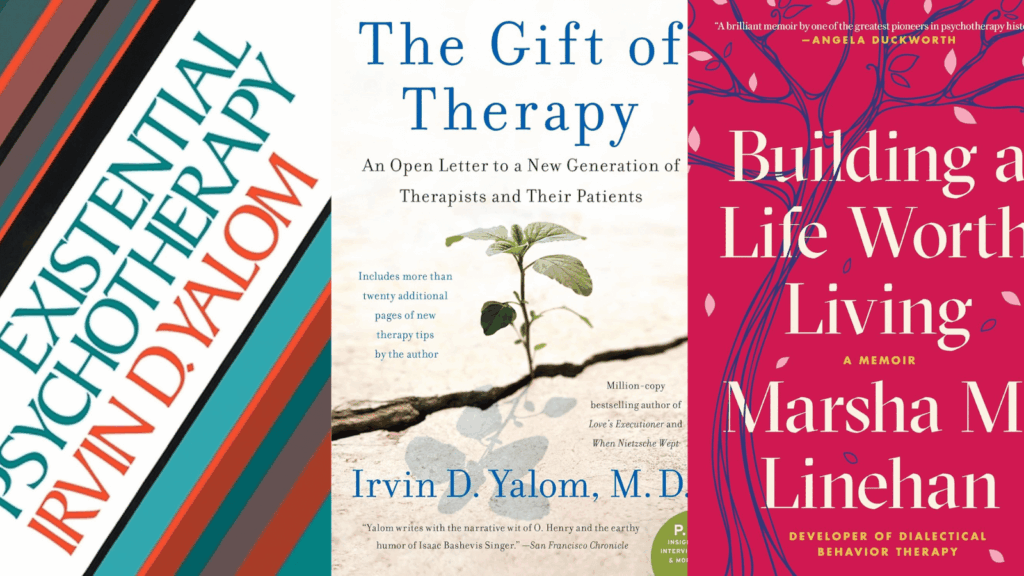
- 1. Existential Psychotherapy
- 2. The Gift of Therapy: An Open Letter to a New Generation of Therapists and Their Patients
- 3. Creatures of a Day: And Other Tales of Psychotherapy
- 4. Love’s Executioner: And Other Tales of Psychotherapy
- 5. Building a Life Worth Living: A Memoir
- 6. How Emotions Are Made: The Secret Life of the Brain
- 7. The Neuroscience of Psychotherapy: Healing the Social Brain
- 8. On Becoming a Person: A Therapist’s View of Psychotherapy
- 9. Hope And Dread In Pychoanalysis
- 10. Healing the Fragmented Selves of Trauma Survivors
Disclosure: Some of the links below are affiliate links. This means that, at zero cost to you, I will earn an affiliate commission if you click through the link and finalize a purchase.
Best Psychology Books for Therapists
1. Existential Psychotherapy
by Irvin D. Yalom

Existential Psychotherapy by Irvin D. Yalom is about the deep worries many people carry but rarely talk about, like fear of death, feeling alone, struggling to find meaning, and dealing with freedom and responsibility. The book explains how these worries show up as anxiety, depression, relationship problems, or feeling stuck. Yalom shows how therapy can help people face these issues directly instead of avoiding them, and how doing so can lead to a more honest, meaningful, and engaged life.
2. The Gift of Therapy: An Open Letter to a New Generation of Therapists and Their Patients
by Irvin Yalom

The Gift of Therapy by Irvin Yalom is a practical, honest book about what really helps people in therapy. It shares clear advice for therapists and clients about the importance of the real human relationship, being present, speaking honestly, and not hiding behind techniques. The book focuses on what happens in the room between two people and how warmth, curiosity, boundaries, and courage can lead to real change.
3. Creatures of a Day: And Other Tales of Psychotherapy
by Irvin D. Yalom

Creatures of a Day by Irvin D. Yalom is a collection of therapy stories that explore aging, death, regret, love, and the limits of time. Through real, human encounters between therapist and client, the book shows how people face painful truths, unfinished lives, and deep fears. It highlights how honest conversation, connection, and confronting reality can bring clarity, relief, and meaning even in the later stages of life.
4. Love’s Executioner: And Other Tales of Psychotherapy
by Irvin D. Yalom

Love’s Executioner by Irvin D. Yalom is a collection of real therapy stories that focus on love, obsession, loss, control, and emotional pain. The book shows how people get stuck in destructive patterns, intense attachments, and unmet needs, and how these struggles play out in therapy. Through honest, sometimes uncomfortable conversations, it highlights how facing hard truths can lead to insight, emotional relief, and change.
Related: CBT Worksheets Bundle (FREE PFD Download)
5. Building a Life Worth Living: A Memoir
by Marsha M. Linehan

Building a Life Worth Living by Marsha M. Linehan is a memoir about her personal struggle with intense emotional pain and how it led her to create Dialectical Behavior Therapy. She shares her experiences with mental illness, hospitalization, shame, and recovery, while showing how change is possible even after deep suffering. The book is about survival, honesty, learning skills to cope with emotions, and choosing to build a life that feels meaningful and worth staying for.
6. How Emotions Are Made: The Secret Life of the Brain
by Lisa Barrett

How Emotions Are Made by Lisa Barrett explains that emotions are not automatic reactions but something the brain builds based on past experience, body signals, and the world around us. The book shows how culture, language, and learning shape what we feel and how we label emotions. It helps readers understand why emotions differ from person to person and how understanding this can change the way we respond to our feelings and to others.
7. The Neuroscience of Psychotherapy: Healing the Social Brain
by Louis Cozolino
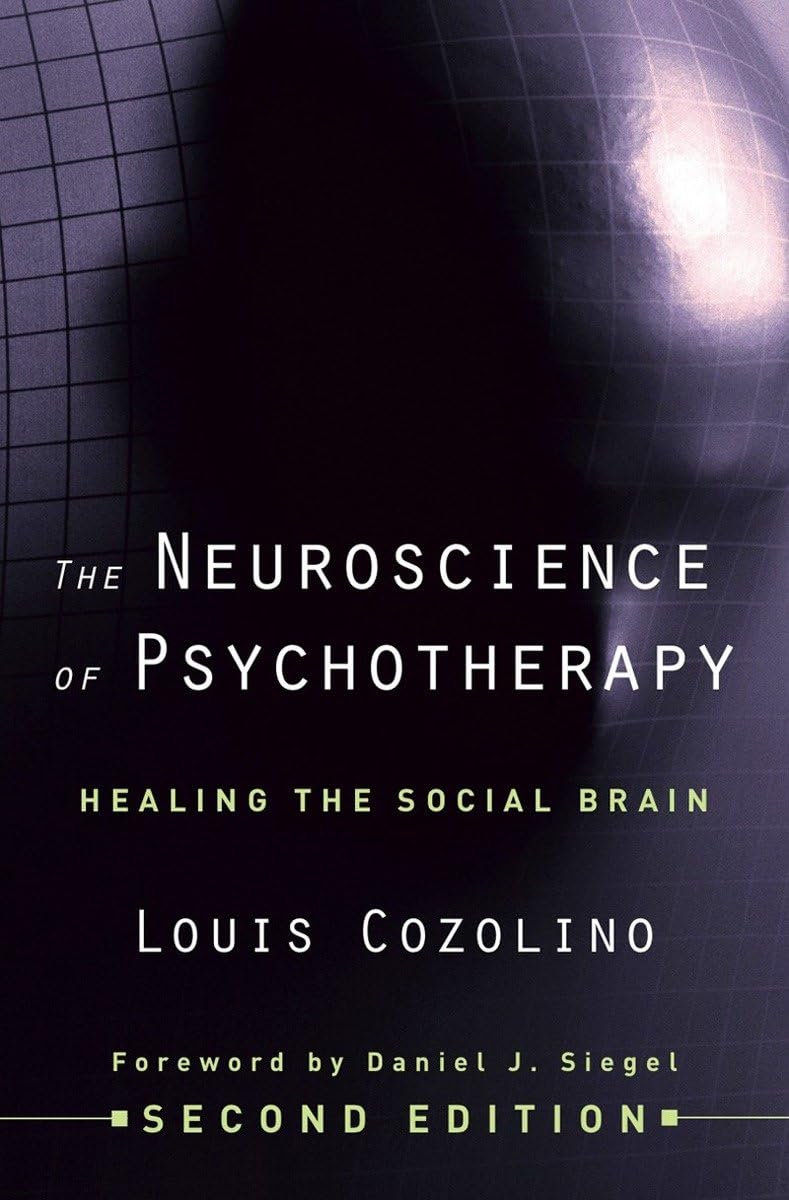
The Neuroscience of Psychotherapy by Louis Cozolino explains how relationships change the brain and why therapy works at a biological level. The book shows how the brain is shaped by attachment, safety, stress, and connection with others. It explains how a trusting therapeutic relationship can calm threat responses, build emotional balance, and help the brain relearn healthier ways of relating, feeling, and thinking.
Related: Top 8 Therapy Office Decor Ideas That Instantly Uplift Your Space
8. On Becoming a Person: A Therapist’s View of Psychotherapy
by Carl Rogers

On Becoming a Person by Carl Rogers is about personal growth and change through honest, accepting relationships. The book explains how people heal when they feel deeply heard, respected, and free to be themselves without judgment. It focuses on self-trust, authenticity, and the idea that people naturally move toward growth when given empathy, understanding, and real human connection.
9. Hope And Dread In Pychoanalysis
by Stephen A. Mitchell
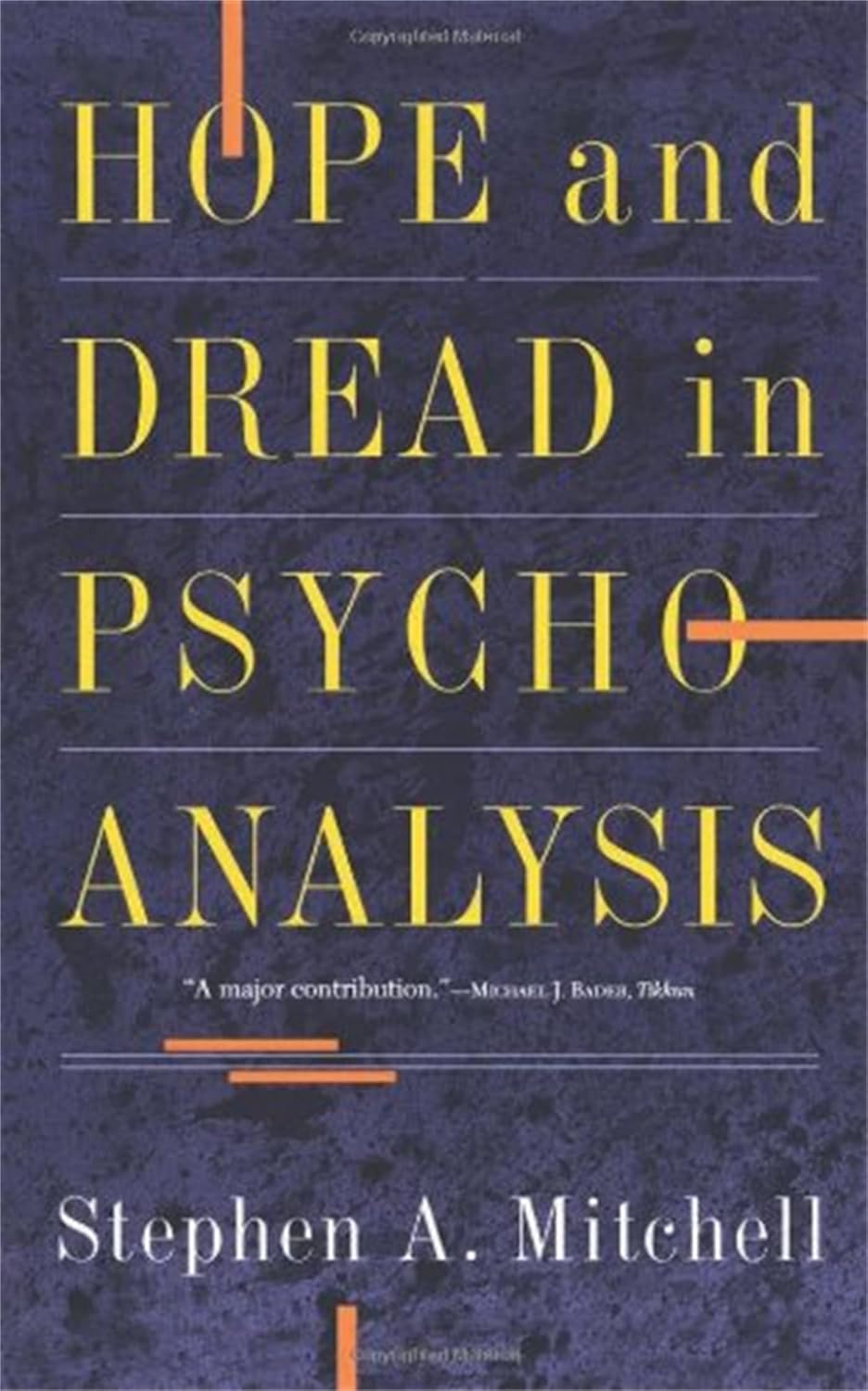
Hope and Dread in Psychoanalysis by Stephen A. Mitchell explores what really happens emotionally inside therapy, both for the client and the therapist. The book looks at the push and pull between wanting change and fearing it, feeling hopeful while also feeling scared or resistant. It explains how therapy is shaped by real human relationships, uncertainty, and emotional risk, and how growth often comes from staying present with discomfort rather than trying to fix or avoid it.
10. Healing the Fragmented Selves of Trauma Survivors
by Janina Fisher

Healing the Fragmented Selves of Trauma Survivors by Janina Fisher explains how trauma can cause parts of a person to feel split, disconnected, or at war with each other. The book shows how symptoms like shame, self-criticism, numbness, and sudden emotional reactions are survival responses, not flaws. It focuses on helping people understand these inner parts, reduce self-blame, and slowly rebuild a sense of safety, wholeness, and self-compassion.
Related: Best 10 Narrative Therapy Books