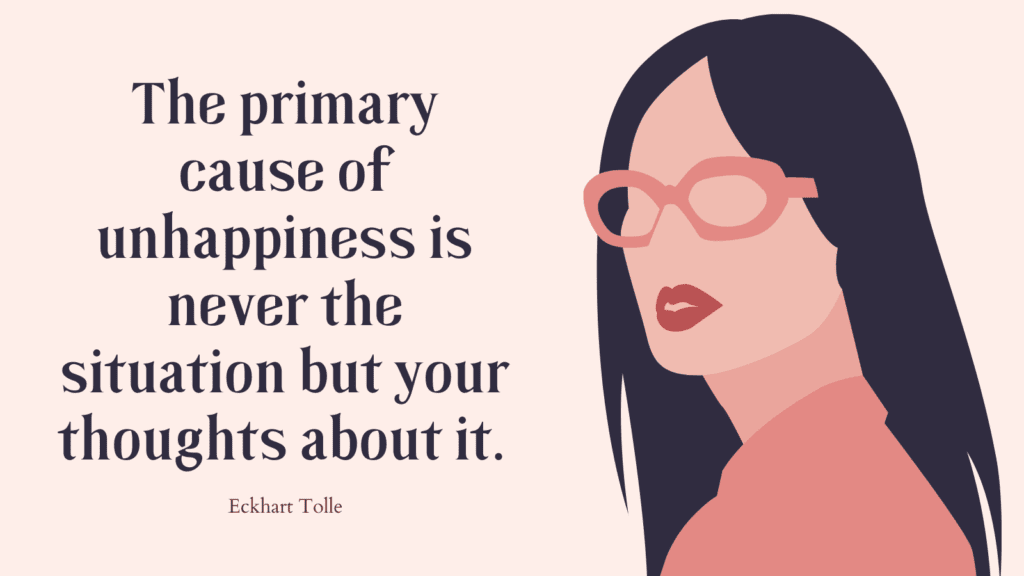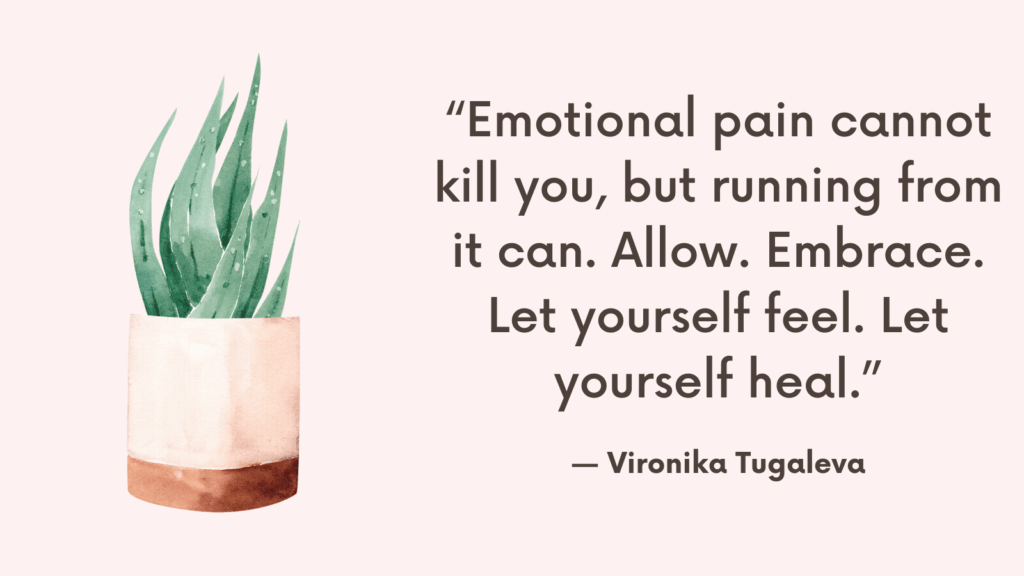
Cognitive dissonance in relationships happens when what you believe about love and how you experience it don’t line up. This inner conflict creates confusion, excuses, and self-doubt. Instead of facing painful truths, you may find yourself rationalizing behavior or clinging to beliefs that ease the discomfort.
What Cognitive Dissonance Really Feels Like in Relationships
At its core, cognitive dissonance in relationships is the ache of staying in something that doesn’t align with your truth — but feeling unable to leave, speak up, or shift course.
It’s the experience of holding two conflicting realities at the same time, like:
- “I love them, but I’m not happy.”
- “I said I forgive them, but I still don’t trust them.”
- “I want commitment, but I keep accepting breadcrumbs.”
- “I value honesty, but I’m hiding how I really feel.”
These emotional contradictions don’t just cause stress — they distort your sense of clarity, self-worth, and sometimes even your reality.
Related: 7 Common Challenges in Interracial Relationships & How to Overcome Them
How Cognitive Dissonance Shows Up in Relationships?
1. Staying Despite Misalignment
You believe you deserve respect and kindness, yet you stay with someone who belittles or dismisses you. To reduce the tension, you tell yourself: “They don’t mean it,” or “Everyone has flaws.”
2. Justifying Broken Boundaries
When your boundaries are crossed, you might feel hurt but also minimize it: “It’s not a big deal” or “They’ll change if I’m patient.” The belief that you need firm boundaries collides with the fear of losing the relationship.
3. Excusing Red Flags Early On
You value honesty and consistency, but when someone shows patterns of lying or pulling away, you explain it away: “They’re just stressed,” or “It’s not who they really are.”
4. Believing in Love While Experiencing Harm
When you believe “Love should feel safe,” but your relationship feels chaotic or scary, dissonance appears. To resolve it, you might redefine harmful behavior as passion or mistake control for care.
5. Sacrificing Your Needs to Avoid Conflict
You believe healthy relationships should meet both partners’ needs, but you silence yourself to keep the peace. To cope, you tell yourself: “My needs aren’t as important” or “At least they’re happy.”
6. Feeling Responsible for Their Behavior
You know logically that each person controls their own actions, yet you feel guilty when your partner lashes out. To ease the conflict, you think: “If I were better, they wouldn’t act this way.”
Related: +50 Questions To Rebuild Trust In A Relationship
7. Comparing Reality With “What Could Be”
You believe your relationship should make you feel loved, but in reality you feel lonely or neglected. To cope, you imagine the future: “Things will get better once we move in” or “They’ll change once life settles down.”
8. Holding Onto Idealized Memories
The relationship may no longer match your values, but you cling to the past highlights. You tell yourself: “If it was good once, it can be good again,” even when the present consistently hurts.
Why Dissonance Happens So Often in Relationships
Relationships naturally involve compromise, vulnerability, and emotional risk.
But when these require abandoning your values or denying your needs, your inner world starts to fracture.
Dissonance often grows in relationships where there’s:
- Fear of abandonment
- People-pleasing tendencies
- Attachment wounds
- Idealization of the other person
- A history of trauma where truth felt unsafe to speak
It can happen slowly — so slowly you don’t notice until you feel deeply conflicted, exhausted, or ashamed without knowing why.
Related: How to Re-Build Trust in a Relationship?
How to Resolve Cognitive Dissonance in Relationships?
1. Name the Contradiction Clearly
Start by identifying the gap:
- “I believe love should feel safe, but I feel anxious most of the time.”
- “I value honesty, but I’m making excuses for their lies.”
Naming the mismatch out loud prevents you from smoothing it over with denial.
2. Reconnect With Your Core Values
Ask yourself:
- “What do I truly need in a healthy relationship?”
- “Which of my values are being honored here—and which are being ignored?”
Your values become the compass that guides whether you repair, adjust, or step away.
3. Stop Over-Rationalizing Hurtful Behavior
When you catch yourself justifying pain with thoughts like “They’re just stressed” or “It’s not that bad,” pause. Replace excuses with truth: “Stress doesn’t excuse disrespect.” This shifts you out of self-deception.
4. Allow Both Truths to Exist
Dissonance often pushes you to cling to either “It was all good” or “It was all bad.” But reality is mixed—you may love parts of the relationship while also being hurt by it. Allowing both truths helps you make clear decisions without minimizing.
Related: Best 50 Vulnerable Questions To Ask Your Partner
5. Reflect on the Cost of Staying Misaligned
Ask: “What does it cost me emotionally, mentally, or physically to stay in a relationship that doesn’t match my values?” Seeing the impact clearly helps break the cycle of rationalization.
6. Make Small Shifts Toward Alignment
Resolution doesn’t have to be drastic at first. Begin with small actions that honor your values:
- Speak up when a boundary is crossed
- Stop apologizing for things that aren’t your fault
- Create space to reflect instead of reacting immediately
Each step reduces the gap between what you believe and how you live.
7. Seek Safe Support for Clarity
Cognitive dissonance can make you doubt your own perception. Talking to trusted friends, mentors, or a therapist can provide perspective and remind you of your worth when self-doubt clouds your judgment.
8. Be Willing to Choose Change if Needed
Sometimes, resolving dissonance means facing the hardest truth: the relationship may not align with your values anymore. Protecting your integrity may require setting firmer boundaries, renegotiating the dynamic, or leaving altogether.
Related: How to Reconnect After a Fight?
Conclusion
Cognitive dissonance shows up in relationships when beliefs about love clash with painful realities. Instead of facing the contradiction, you may rationalize, excuse, or silence yourself to reduce discomfort. Recognizing these patterns helps you step out of denial and closer to relationships that truly align with your values and needs.