Late-night eating can feel like a quiet secret — one that begins with “just a snack” and ends with guilt or frustration. It’s not just about food; it’s about emotions, routines, and the way your body and mind respond to exhaustion and stress. Breaking this cycle means learning to meet your needs before the cravings arrive, so food no longer has to carry the emotional weight of your day.
What Late-Night Eating Really Represents
Late-night eating often isn’t about hunger—it’s about relief. It’s the body’s way of saying, I need something comforting after today. You might eat not because your stomach is empty, but because your emotions are. Breaking the cycle means understanding that it’s not the food that keeps you stuck—it’s what the food is trying to fix.
The Emotional Pattern Behind It
The cycle usually starts earlier than nightfall. Stress builds, boundaries blur, and emotions go unacknowledged. By evening, you’re drained and craving something predictable—something that soothes without demanding anything back. Eating becomes a pause button for emotional fatigue.
When Food Becomes a Form of Escape
Late at night, there are fewer distractions. The silence feels heavy, your thoughts get louder, and food offers a simple escape. It gives comfort and control in a moment where both feel scarce. The temporary relief it brings keeps reinforcing the behavior, even when guilt follows right after.
Related: How to Create a Mental Health Support Plan for Yourself?
The Role of Deprivation
Restriction during the day—whether emotional or physical—often feeds the cycle. Skipping meals, ignoring hunger, or constantly pushing yourself without rest makes night the only time your body feels free to ask for something. Late-night eating is sometimes your body’s rebellion against neglect.
The Guilt That Keeps You Stuck
Afterward, shame sets in: Why did I do it again? But guilt only deepens the pattern. You promise to “do better tomorrow,” tightening control in ways that guarantee another rebound. The real healing begins when you replace punishment with curiosity—What was I feeling before I reached for food?
How to Break the Cycle of Late-Night Eating?
1. Understand What’s Driving It
Ask yourself what’s truly happening before you reach for food at night. Are you hungry, lonely, anxious, bored, or overtired? When you identify the emotion behind the behavior, you give yourself a chance to respond with care instead of compulsion.
2. Eat Enough During the Day
Restrictive eating or skipping meals often leads to intense cravings later. Ensure your meals throughout the day include balanced portions of protein, complex carbs, and healthy fats. A well-fed body doesn’t need to seek comfort calories when it’s time to rest.
Related: How Your Body Holds Stress—and How to Release It?
3. Create a Consistent Evening Routine
Nighttime eating thrives in chaos. Build an evening ritual that gently closes your day: a warm shower, herbal tea, journaling, or stretching. Routines calm your nervous system and signal that the day is ending — without food as the cue.
4. Keep Emotional Alternatives Ready
When the urge hits, try soothing yourself in a different way: call a friend, read something uplifting, or hold a warm drink. Emotional eating often stems from unmet needs — attention, rest, reassurance — so give yourself what the food represents.
5. Redefine What “Rest” Looks Like
Many people eat at night because it’s the only moment they slow down. Reclaim that pause through rest that actually restores — quiet music, deep breathing, or gratitude journaling. When you have healthier ways to decompress, food becomes less of an emotional crutch.
6. Avoid Overexposure to Triggers
If keeping certain snacks nearby leads to mindless eating, change your environment. Store food out of sight or keep the kitchen closed after a set time. You’re not restricting — you’re removing friction points that make unwanted habits easier.
7. Address the Guilt Loop
Shame after nighttime eating often triggers restriction the next day, which restarts the cycle. Replace “I failed again” with “I’m noticing a pattern and learning from it.” Compassion weakens the loop of deprivation and bingeing far more effectively than criticism ever could.
Related: 15 Quick Stress Relief Activities You Can Do Anywhere
8. Get Curious About Your Body’s Cues
Sometimes nighttime hunger is physical — especially if dinner was light or eaten early. Notice real hunger signals like stomach growling or low energy, versus emotional triggers like boredom or anxiety. If you’re truly hungry, eat mindfully and without shame.
9. Build a Transition Between Day and Night
Most late-night eating happens because the body hasn’t been signaled to rest. Try dimming lights, turning off screens, or listening to soft music an hour before bed. This helps your nervous system shift from “doing” to “being,” reducing the need for comfort eating.
10. Prioritize Sleep and Recovery
Lack of sleep increases cravings for sugar and carbs, making nighttime snacking more likely. Aim for consistent sleep schedules and a calm pre-bed routine. Rested bodies crave nourishment; exhausted ones crave relief.
11. Reflect Without Judgment
Keep a brief evening journal: “What was I feeling when I wanted to eat?” Over time, you’ll notice emotional and situational patterns — stress before bed, loneliness, or fatigue. Awareness allows you to address the cause, not just the behavior.
12. Seek Support If It Feels Compulsive
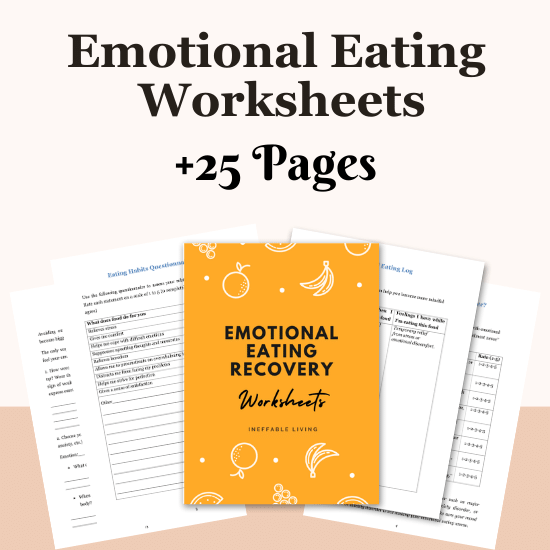
If late-night eating feels out of control or tied to emotional distress, consider reaching out to a therapist. Emotional or binge eating isn’t a sign of weakness — it’s a signal of deeper exhaustion or unmet emotional needs that deserve care.
Related: How to Break the Cycle of Stress and Overwhelm in Daily Life?
Conclusion
Breaking the cycle of late-night eating is less about self-control and more about self-understanding. You don’t need to fight your cravings — you need to listen to them. They’re telling you you’re tired, stressed, lonely, or hungry for something deeper than food. When you learn to meet those needs directly and treat yourself with compassion, nighttime peace slowly replaces the pull of the kitchen.