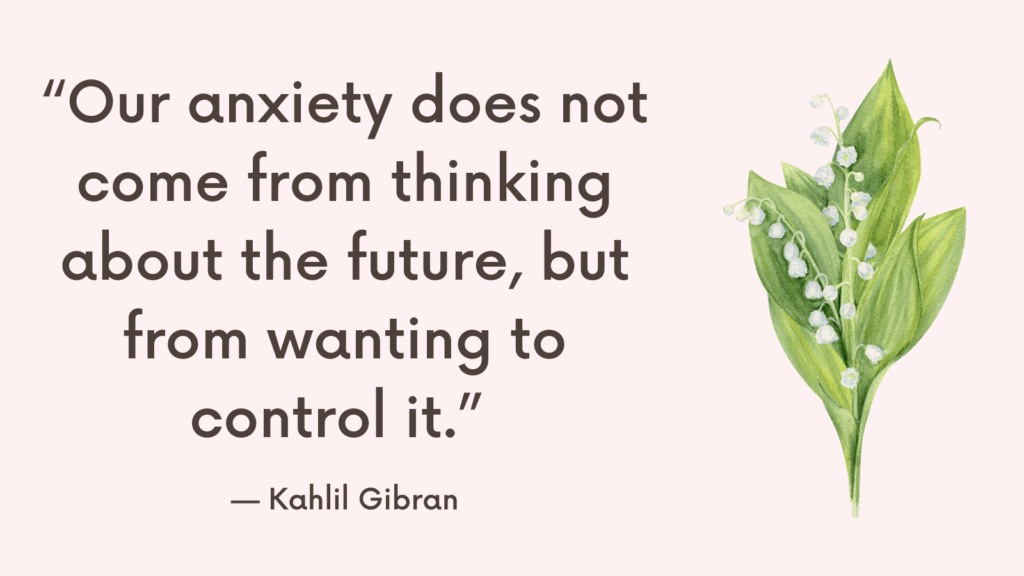
Modern life often pushes the idea that you should know exactly who you are, where you’re going, and what your future looks like. This pressure can feel overwhelming, especially when uncertainty is a natural part of growth. Coping with it means loosening the grip of unrealistic expectations and giving yourself permission to live in the present.
What Does “Having It All Figured Out” Even Mean?
For many, the idea of “having it all figured out” means:
- A clear career path
- Stable relationships
- Financial security
- Emotional maturity
- A solid identity and direction
But the truth is: this idea is a moving target, shaped by culture, family, social media, and internalized expectations.
It’s not just about achievement.
It’s about certainty — and the belief that you’re behind if you don’t have it.
Related: Top 10 Practical CBT Exercises For Generalized Anxiety Disorder Relief
Why This Pressure Hurts
The pressure to “figure it all out” creates a chronic state of self-surveillance.
You constantly compare where you are to where you think you should be.
You question:
- “Am I on the right path?”
- “What’s wrong with me for not knowing?”
- “Why do others seem so clear while I feel so lost?”
This pressure is not just external — it becomes internalized as self-doubt, shame, and urgency.
Where the Pressure Comes From
This feeling often stems from:
- Families that rewarded clarity and certainty
- School systems that prioritized plans over exploration
- Cultural messaging that equates ambiguity with failure
- Social media snapshots of people’s “highlight reel” lives
- A survival instinct that links stability with safety
And in trauma-informed terms, needing to “figure it all out” may come from a past where not knowing meant danger, neglect, or chaos.
What This Pressure Might Hide
The fixation on “figuring it out” may actually be a cover for deeper fears:
- Fear of being seen as directionless
- Fear of disappointing others
- Fear of being left behind
- Fear that uncertainty means failure
- Fear that you don’t actually belong anywhere
It’s not just about wanting a plan.
It’s about craving permission to exist as you are — in progress.
Related: High Functioning Anxiety Test (& How To Support Anxiety Recovery)
How to Cope with the Pressure to “Have It All Figured Out”?
1. Name the Source of the Pressure
Ask yourself where the belief comes from:
- Family expectations about career or milestones
- Social media comparisons
- Cultural messages equating success with certainty
Recognizing the source helps you see that the pressure often comes from outside, not from your own truth.
2. Separate Progress From Perfection
Having it “figured out” implies flawless direction, but growth is messy. Remind yourself:
- Progress can be slow and uneven
- Missteps are part of learning
- Uncertainty is not failure—it’s movement in disguise
Reframing progress as enough takes the weight off perfection.
3. Focus on the Next Step, Not the Whole Path
When you pressure yourself to have a 5- or 10-year plan, life feels paralyzing. Instead, ask:
- “What is one thing I can do today that matters?”
- “What feels like the right step for this season of life?”
Small steps build momentum without requiring you to know the entire future.
4. Let Go of Comparison
Others may seem to have it all figured out, but appearances often hide uncertainty. Remember:
- People share highlight reels, not struggles
- Your path has its own timing
- Success looks different for everyone
Compassion for yourself replaces comparison with calm.
Related: How to Relieve Anxious Sensations In Your Body?
5. Give Yourself Permission to Evolve
The idea that you should “figure it out once and for all” denies your growth. Identities, careers, and relationships shift over time. You are allowed to:
- Change your mind
- Start over at any age
- Redefine what happiness means to you
Flexibility is strength, not weakness.
6. Ground Yourself in the Present Moment
Pressure thrives in “what ifs” about the future. To return to calm:
- Breathe slowly and notice your surroundings
- Name three things you’re grateful for right now
- Anchor in today instead of chasing tomorrow
The present is where clarity grows.
Related: 30 Coping Skills for Anxiety and Depression
Conclusion
The pressure to have it all figured out is a heavy weight built on unrealistic standards. Coping means recognizing where the pressure comes from, rejecting comparison, and honoring the truth that growth is an ongoing journey. You don’t need to know every step—only the next one. Your life is not defined by certainty, but by the courage to keep moving forward, even without all the answers.