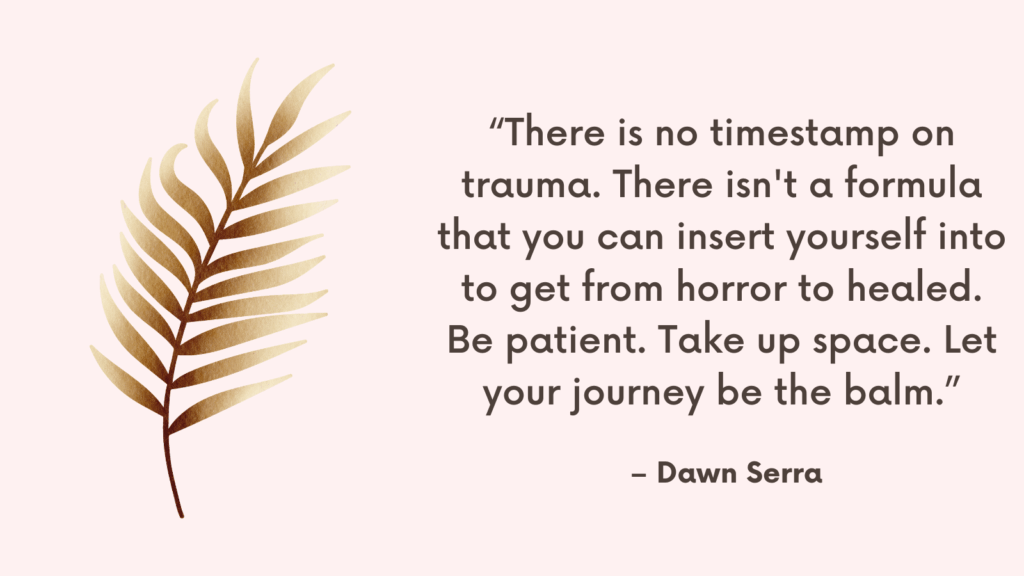
Medical trauma, also known as medical PTSD, often hides in plain sight. It doesn’t always begin with a single catastrophic event—it can quietly emerge from repeated medical interventions, invalidating healthcare experiences, or moments where your body felt like the enemy. For many, even routine procedures can leave emotional scars that linger long after physical wounds have healed. Here’s a guide to understanding and healing from medical PTSD.
What Is Medical PTSD?
Medical PTSD is a form of trauma that develops after distressing medical events. It can stem from life-threatening emergencies, surgeries, chronic illness treatments, dismissive providers, or painful procedures. Unlike other forms of PTSD, medical trauma often comes with a unique challenge: your body—where the trauma occurred—can become a constant trigger.
Why Medical Situations Become Traumatic
Several factors increase the likelihood of trauma developing during or after medical experiences:
- Physical Pain or Shock
When the body undergoes intense pain or enters survival mode, it can’t process emotions normally. This unprocessed stress may be stored in the nervous system, resurfacing later as flashbacks or anxiety. - Loss of Control
Medical emergencies often strip away autonomy. You may be immobilized, disoriented by medication, or dependent on others—creating a deep sense of helplessness. - Betrayal by Medical Professionals
When caregivers dismiss pain, ignore boundaries, or cause harm, it can severely damage trust. This emotional betrayal can be just as traumatic as the medical condition itself. - Lasting Physical Impact
Scars, implants, or physical limitations can become constant reminders of what happened, making it difficult to feel safe in your own body again.
Related: Complex PTSD And Nightmares: Top 9 Ways to Cope
Signs You May Be Experiencing Medical PTSD
Medical PTSD shares many features with traditional PTSD, including:
- Avoidance
Skipping checkups, avoiding hospitals, or ignoring symptoms out of fear. - Intrusive Re-experiencing
Nightmares, flashbacks, or intense reactions to reminders like white coats or beeping monitors. - Mood Changes
Persistent fear, irritability, sadness, numbness, or health-related anxiety. - Hyperarousal
Difficulty sleeping, heightened startle response, or feeling constantly on edge.
When the Body Becomes the Trigger
A unique feature of medical PTSD is enduring somatic threat—when internal sensations (like a flutter in the chest or shortness of breath) retrigger trauma. Because you can’t escape your body, this creates a relentless cycle of fear. For many, even minor physical sensations provoke alarm and bring back the original trauma.
Related: Why Is Trauma Therapy So Hard? (+Best Trauma Healing Exercises To Support Your Recovery)
Common Coping Mechanisms That Backfire
To avoid fear, many people develop patterns such as:
- Constantly monitoring vitals or googling symptoms
- Avoiding any activity that raises heart rate
- Refusing necessary medical follow-ups
These behaviors offer short-term relief but often keep the nervous system stuck in chronic stress.
How to Heal Medical PTSD?
Healing is possible, even when trauma feels stored deep in the body. Recovery often requires addressing both the emotional and physical aftermath.
1. Talk Therapy
Working with a trauma-informed therapist can help you process memories, challenge beliefs like “my body betrayed me,” and reclaim trust in yourself. Therapy creates a safe space to feel, reflect, and shift how you relate to your body and medical care.
2. Somatic Therapy
Somatic approaches focus on how trauma lives in the body. Techniques might include:
- Gentle movement to discharge trapped fight-or-flight energy
- Breathing exercises and grounding techniques
- Visualization (e.g., imagining a safe place)
- Vagus nerve stimulation to calm the nervous system
Somatic work teaches the body that the danger has passed.
Related: 7 Trauma Release Exercises To Support Your Recovery After Trauma
3. Exposure Therapy
This involves gradually facing fears in a controlled and supportive way. For example, you might start by looking at a photo of a hospital, then progress to sitting in a waiting room. Over time, your nervous system learns to stay calm in medical environments.
4. Mindfulness and Self-Talk
Mindfulness allows you to observe bodily sensations without reacting to them. Compassionate self-talk, such as “Thank you for the warning, but I’m safe right now,” can help rewire the fear response.
5. Supportive Resources
Group therapy, journaling, and community support can offer validation and connection. You’re not alone—many others are navigating similar challenges.
Related: How to Use the Safe Container Method to Process Trauma?
Preventing Future Medical Trauma
Whether you’re a patient or a parent, you can play a role in preventing trauma:
- Prepare Ahead: Write down your questions, bring a support person, and assert your boundaries.
- Choose Providers Who Listen: You have the right to switch doctors or request someone new during a procedure.
- Speak Up: Your body and experience matter. Advocating for your needs is a key part of reclaiming agency.
Medical providers also play a vital role in prevention. By listening, explaining procedures clearly, and recognizing signs of distress, they can help patients feel safe and respected.
Related: How To Expand Window Of Tolerance? (+FREE Window of Tolerance PDF)

Conclusion
One of the most powerful takeaways from those who’ve lived through medical trauma is this: you can learn to trust your body again. It takes practice, support, and courage—but it’s possible.
Whether it starts with a journal entry, a therapy session, or a single act of self-kindness, healing begins with one small step. You deserve compassionate care—both from others and from yourself.
If you’re experiencing symptoms of medical PTSD, know that you are not broken. You are healing. And healing is possible.