Anger rarely appears out of nowhere. It builds slowly from overwhelm, resentment, unmet needs, and repeated moments where you tolerated more than you had the capacity for. The more you absorb, the more internal pressure forms — until anger becomes the release valve. Boundaries are not just tools for managing relationships; they are emotional safety measures that help prevent you from reaching the point of eruption. Using boundaries proactively lowers frustration, protects your energy, and keeps anger from becoming the default response.
What Anger Really Signals
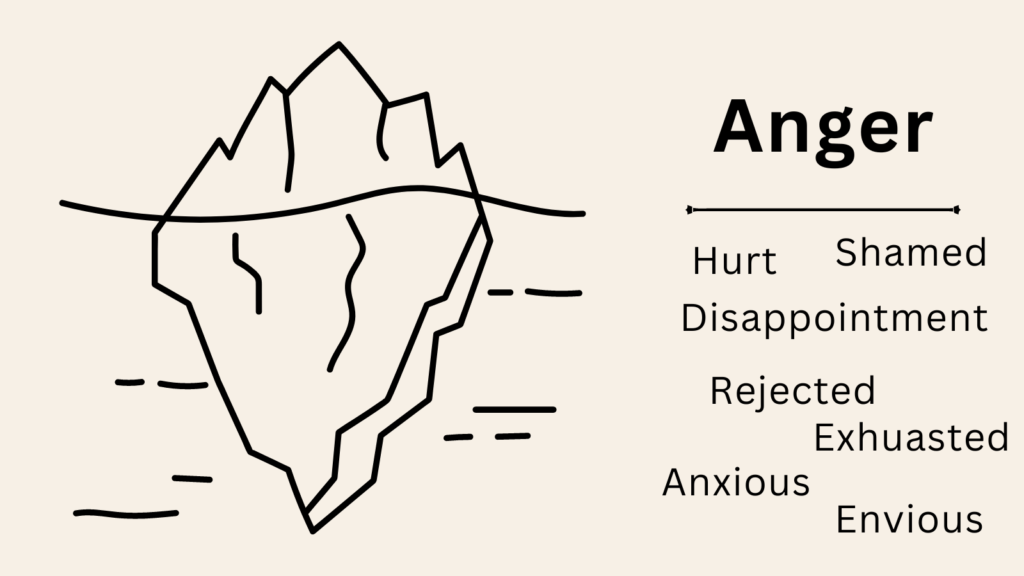
Anger is rarely the first emotion to appear. It is usually the last. Anger often surfaces when boundaries have been crossed repeatedly, ignored, minimized, or never expressed at all. It’s the body’s alarm system, signaling that something has gone on for too long. When anger becomes chronic, it is often not because you “have a temper,” but because your boundaries have been overstretched.
Why Missing Boundaries Lead to Built-Up Anger
When you don’t set or enforce boundaries, you end up absorbing friction, discomfort, and responsibility that aren’t yours. Over time, this creates resentment. Resentment turns into irritability. Irritability turns into anger. The anger isn’t random — it’s accumulated self-betrayal.
The “Warning Signs” Before Anger Arrives
Your body often whispers before it screams. Early signals of boundary stress include:
Irritation at small things
Feeling drained by certain people
Avoiding interactions
Internal eye rolls
Feeling responsible for everything
Shortening patience
Emotional tightness
These cues are invitations to set boundaries before anger becomes the fallback.
How to Use Boundaries as Anger Prevention?
1. Recognize That Anger Is Often a Signal of a Boundary Violation
Most anger arises because something crossed a line — your time, your capacity, your values, or your dignity. When you learn to identify these violations early, you can intervene before anger becomes your only outlet.
2. Notice the Small Moments You Internally Say “No” But Externally Say “Yes”
Hidden resentment builds every time you override your own limits. These micro self-betrayals accumulate and eventually surface as irritability or explosive anger. Preventing anger starts with honoring your internal “no” sooner.
Related: Beyond Just Anger: How to Manage Intermittent Explosive Disorder?
3. Set Limits Before You Reach Emotional Exhaustion
If you only set boundaries when you’re already overwhelmed, they feel reactive and intense. Setting small limits early keeps frustration from accumulating and reduces the risk of anger later.
4. Protect Your Emotional Bandwidth
Anger often grows when too many people expect too much from you. Boundaries that limit access — fewer demands, fewer notifications, fewer emotional responsibilities — help you stay grounded instead of overloaded.
5. Pay Attention to the People Who Regularly Drain You
Some interactions consistently leave you tense, irritated, or resentful. Creating boundaries around time, conversation topics, or availability reduces the buildup that leads to anger.
6. Speak Up When Something Bothers You the First Time
Silence is not peace — it’s storage. What goes unspoken doesn’t disappear; it becomes agitation. Addressing issues early prevents them from becoming emotional ammunition.
7. Limit Over-Functioning and Over-Giving
When you carry more than your share — doing extra emotional labor, solving others’ problems, or saying yes out of guilt — resentment becomes inevitable. Boundaries restore balance and prevent that anger from developing.
8. Create Predictable Routines That Protect Your Time
Anger often comes from feeling rushed, overloaded, or interrupted. Boundaries around rest, alone time, and work hours keep your emotional reserves full enough to handle stress without snapping.
Related: Top 14 CBT Exercise For Anger Management (+FREE Anger Worksheets)
9. Be Clear About What You Will Not Discuss
If certain topics — politics, parenting, personal choices — consistently lead to anger, set conversational boundaries. Emotional peace is more valuable than winning arguments.
10. Stop Explaining Your Limits to Those Who Disregard Them
Over-explaining fuels frustration. When you stop justifying your boundaries to people who don’t respect them, you reduce emotional friction and preserve energy.
11. Notice When You Feel Responsible for Others’ Reactions
Taking on emotional responsibility for others creates internal pressure. Boundaries remind you that you are not in charge of anyone’s feelings but your own — which reduces anxiety and prevents anger buildup.
12. Protect Your Space From Constant Input
Noise, interruptions, and clutter increase irritability. Boundaries that reduce sensory overload — closed doors, quiet hours, digital limits — help prevent anger triggered by overstimulation.
13. Use Time Boundaries to Reduce Overwhelm
End conversations early, leave events when you’re depleted, and limit how long you stay in draining environments. The earlier you exit discomfort, the less anger accumulates.
14. Set Boundaries Around Your Capacity, Not Your Ideal Self
Anger rises when you hold yourself to unrealistic standards. Pay attention to what you actually can handle, not what you think you “should” be able to tolerate.
15. Reduce People-Pleasing to Prevent Resentment
Saying yes to avoid disappointing others often leads to self-directed anger later. Boundaries break the cycle by letting you honor your needs without guilt.
16. Clarify Your Personal “Non-Negotiables”
When you know what you will not tolerate — disrespect, yelling, last-minute demands — you stop absorbing behaviors that would otherwise trigger anger over time.
17. Rest Before You Reach Frustration
Anger often reflects an exhausted mind and body. Boundaries around rest, downtime, and emotional breaks prevent irritation from becoming your baseline.
Related: Assertive Anger: What It Is & How to Practice It
18. Practice Direct Communication Instead of Hinting
Unspoken expectations lead to disappointment and resentment. Clear, direct boundaries reduce misunderstandings that fuel anger.
19. Reduce Emotional Access for People Who Drain You
Not everyone deserves the same level of your emotional time, attention, or vulnerability. Adjusting your level of openness protects you from unnecessary emotional triggers.
Related: Anger Iceberg: How to Use It (+FREE Anger Iceberg Worksheet PDF)
Conclusion
Boundaries are one of the most effective tools for anger prevention because they reduce the internal pressure that makes anger necessary. When you honor your limits, protect your time, and communicate your needs early, anger becomes rare instead of inevitable — replaced by clarity, steadiness, and a sense of control over your emotional life.