Resentment toward parents can be one of the most complex emotions to carry. You may love them deeply yet still feel anger, hurt, or exhaustion from unmet needs, past criticism, emotional neglect, or recurring conflicts. Unlike friendships or romantic relationships, walking away isn’t always an option — and often, you don’t want it to be. Managing resentment without cutting ties means learning to protect your peace, grieve what you didn’t receive, and redefine the relationship on healthier emotional terms.
How to Manage Resentment Toward Parents Without Cutting Ties?
1. Acknowledge the Resentment Without Guilt
It’s possible to love your parents and still resent parts of your relationship. Admitting that truth doesn’t make you ungrateful — it makes you honest. Suppressing your feelings in the name of respect only keeps you emotionally stuck. You can hold both gratitude and pain at once.
2. Identify What the Resentment Is Really About
Ask yourself what fuels your frustration. Is it feeling unheard, controlled, or invalidated? Is it that they never apologized for something that hurt you? Naming the specific wound helps you stop fighting the entire relationship and focus on the parts that need healing.
3. Grieve the Relationship You Wished You Had
Resentment often hides unacknowledged grief — for the version of love, understanding, or safety you never received. Allow yourself to mourn that absence. You’re not betraying your parents; you’re honoring the child inside you who needed more.
4. Revisit Expectations and Make Them Realistic
Sometimes resentment grows because we keep hoping our parents will suddenly change — become emotionally open, admit fault, or meet our needs the way we want. Accepting who they are (and aren’t) frees you from the exhaustion of waiting for what may never come. Acceptance is not approval; it’s emotional release.
Related: How to Sit with Uncomfortable Emotions?
5. Create Emotional and Practical Boundaries
You don’t have to cut ties to set limits. Boundaries protect love from turning into resentment. Limit topics that always lead to conflict, shorten visits when they drain you, or redirect conversations respectfully. Consistent limits prevent emotional overexposure.
6. Learn to Respond, Not React
When your parent says something triggering, pause before replying. Take a slow breath, notice what’s rising in your body, and choose your words intentionally. Reactivity fuels resentment; calm, grounded responses reclaim your power.
7. Stop Seeking Validation From People Who Can’t Give It
If your parents have never affirmed your feelings, waiting for validation keeps you emotionally dependent. Give yourself the acknowledgment you crave — through journaling, therapy, or self-compassion. Tell yourself, “What I felt was real, even if they don’t understand.”
8. Redefine Love in the Relationship
Love doesn’t always mean emotional closeness. For some, it means showing up for birthdays and calls; for others, it’s maintaining polite distance. Redefine what a sustainable version of connection looks like for you — one that honors both care and boundaries.
9. Practice Emotional Detachment With Compassion
Emotional detachment doesn’t mean you stop caring. It means you stop taking everything personally. When they criticize or guilt-trip you, remind yourself: “This is about their fear or conditioning, not my worth.” Compassion helps you stay kind without internalizing their behavior.
Related: How To Feel Your Feelings? Top 9 Difficult Emotions To Cope With In Healthy Ways
10. Express Your Feelings Safely — Not Explosively
You can voice your pain without creating more conflict. Choose moments when the conversation feels possible, not reactive. Use statements like, “I felt hurt when…” instead of blame. If direct discussion isn’t safe, write letters (even unsent ones) to release the emotion.
11. Build Emotional Support Outside the Family
Relying solely on parents for comfort when resentment exists often backfires. Nurture supportive friendships, community, or therapy where you can feel seen and validated. External emotional support helps balance what’s missing at home.
12. Heal the Inner Child Within You
Resentment toward parents often comes from the wounded child who still wants to be seen and protected. Visualize that younger version of yourself and say what they needed to hear: “You didn’t deserve to feel unseen. You’re safe with me now.” Reparenting yourself reduces dependency on parental repair.
13. Practice Forgiveness as a Choice, Not a Gift
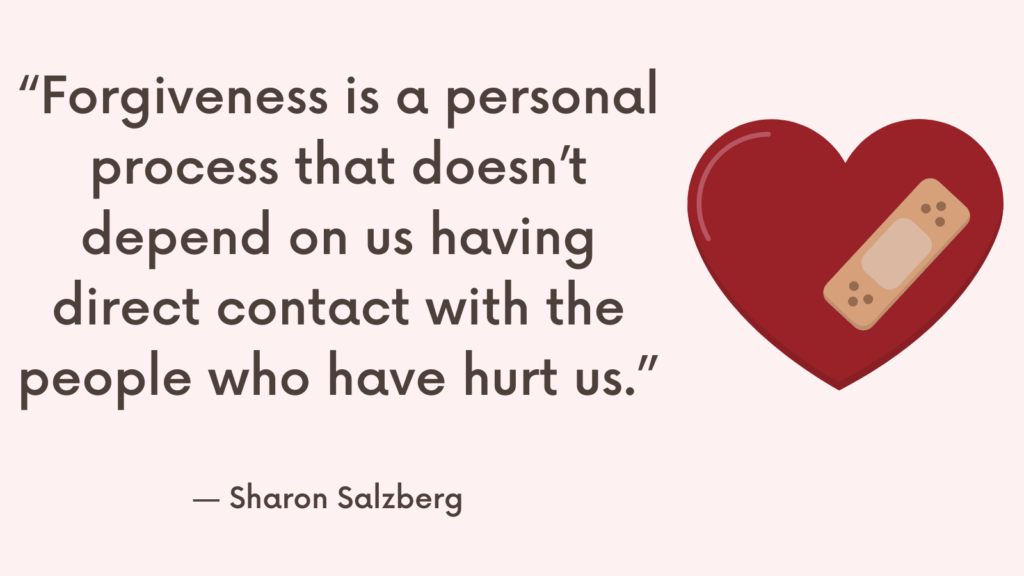
Forgiveness doesn’t mean forgetting or reconciling everything. It means releasing the emotional weight for your own freedom. You forgive when you’re ready — not to excuse them, but to reclaim your peace.
Related: 12 Ways to Express Emotions Clearly & Effectively
14. Balance Contact With Emotional Distance
If constant closeness reignites resentment, give yourself space between interactions. Text instead of call, visit less often, or keep topics light. Emotional distance can protect love from being corroded by pain.
15. Notice When You’re Repeating Old Patterns
Sometimes you keep playing the same role — the pleaser, the caretaker, the peacemaker. Recognize when you’re slipping into old dynamics and consciously choose a new response. Each boundary is a small act of emotional maturity.
Related: Top 15 Effective Emotion Regulation Activities for Adults
Conclusion
Managing resentment toward parents while maintaining connection is one of the most delicate emotional challenges. It requires both acceptance and self-protection. You don’t have to sever ties to find peace — but you do need to stop expecting them to heal what they never learned to offer. By grieving the past, setting healthy limits, and meeting your own emotional needs, you transform resentment into clarity. You stop being trapped in the relationship you wish you had and start living peacefully in the one that actually exists.