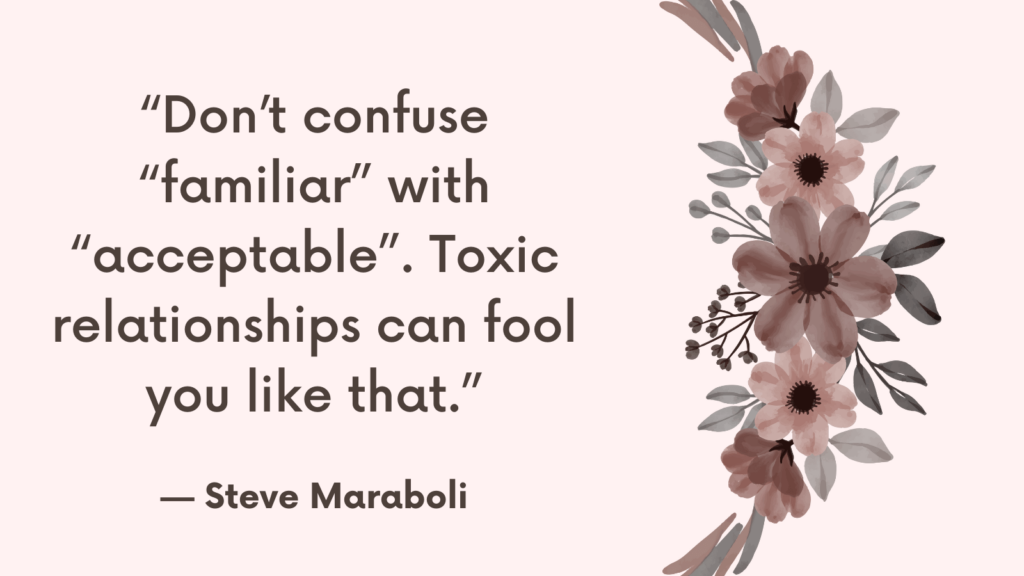
Choosing familiar pain often feels safer than accepting genuine love. When chaos, criticism, or emotional distance once defined “connection,” stability can feel uncomfortable or even threatening. You may find yourself drawn to people who replicate old wounds — not because you want to suffer, but because your nervous system confuses familiarity with safety. Healing means retraining your body and mind to recognize that peace, respect, and consistency are not boring or fake — they are love in its truest form.
What It Really Means
Choosing familiar pain over healthy connection isn’t self-sabotage—it’s survival memory. When pain was your earliest form of safety, your nervous system learned to equate chaos with connection. You might crave closeness, but when genuine warmth appears, it feels foreign. Your body confuses calm for danger because calm never used to mean safe.
Why the Familiar Feels Safer Than the Kind
The brain prefers what it recognizes, even if it hurts. If love once came mixed with neglect, criticism, or volatility, that becomes your template for connection. Healthy love, with consistency and care, can feel uncomfortable or even suspicious. The instinct to return to the familiar isn’t weakness—it’s conditioning.
The Emotional Logic Behind It
Your mind doesn’t seek pain for the sake of suffering—it seeks understanding. Each time you return to similar relationships or situations, a part of you is trying to rewrite the story. You want to finally “get it right,” to turn what once wounded you into something redeeming. But instead of healing the past, you keep reliving it.
Related: Best 100 Let’s Get Deep Questions for Couples
Signs You Might Be Choosing Familiar Pain
- Feeling bored or disconnected when someone treats you kindly.
- Mistaking emotional intensity for love.
- Feeling the need to “earn” affection.
- Being drawn to people who trigger old insecurities.
- Pulling away when someone offers steady care.
These patterns don’t happen because you enjoy pain—they happen because your body still measures safety by familiarity, not peace.
How to Stop Choosing Familiar Pain Over Healthy Connection?
1. Understand Why Familiar Pain Feels Safe
Your body remembers patterns of closeness that once hurt. If love used to mean tension, walking on eggshells, or earning affection, calmness can feel foreign. The pull toward familiar pain isn’t weakness — it’s conditioning. Awareness helps you see that comfort and danger have been mixed up in your nervous system.
2. Notice the Emotional “Pull” Toward the Familiar
When you feel drawn to someone who reminds you of an old wound, pause. Ask, “What about this person or situation feels so magnetic?” Often, it’s not chemistry — it’s recognition. Your body senses something it knows, even if it wasn’t safe.
3. Identify What Healthy Connection Feels Like
Make a list of what true safety looks like — calm tone, consistent effort, mutual respect, being able to speak honestly. Remind yourself: genuine connection feels steady, not dramatic. You may have to teach your body that comfort and love can coexist.
Related: 7 Common Challenges in Interracial Relationships & How to Overcome Them
4. Learn to Sit With the Discomfort of Safety
Healthy people can feel “too calm” or “too nice” if you’re used to chaos. When you catch yourself feeling bored or uneasy in peaceful situations, don’t run. Stay. Your nervous system is learning a new language — one that doesn’t require fear to feel alive.
5. Recognize When You’re Romanticizing Old Pain
If you find yourself missing toxic relationships or intense highs and lows, remind yourself that intensity isn’t intimacy. The chaos once felt meaningful because it mirrored old patterns of trying to earn love. Healthy love doesn’t need adrenaline to feel real.
6. Reconnect With Your Inner Child
The part of you choosing familiar pain is often a younger version still waiting for safety. Speak to them gently: “You don’t have to keep picking what hurt you to feel loved. We’re safe now.” This dialogue helps your inner child trust new, healthier connections.
7. Practice Pausing Before Choosing
When you sense that magnetic pull toward the wrong kind of person or situation, don’t rush. Take a breath. Delay decisions when you’re emotionally charged. Every pause creates a gap between reaction and choice — and that gap is where healing happens.
Related: +50 Questions To Rebuild Trust In A Relationship
8. Rebuild Your Sense of Self-Worth
Familiar pain thrives when you believe you must settle for it. Strengthen self-esteem through small acts of integrity — keeping promises to yourself, setting boundaries, honoring rest. The more worthy you feel, the less attractive chaos becomes.
9. Reframe Calm as a Form of Safety, Not Boredom
Tell yourself, “Peace is not dull — it’s safe.” Healthy connection often lacks the emotional spikes that trauma made you equate with passion. Over time, your nervous system learns that security can feel warm, not lifeless.
10. Challenge the Belief That You Must “Earn” Love
If love once depended on compliance, performance, or endurance, unconditional connection may feel suspicious. Repeat to yourself: “Love does not have to hurt to be real.” Practice receiving kindness without deflecting or minimizing it.
11. Choose People Who Feel Grounded, Not Intense
Healthy partners and friends often communicate clearly, respect boundaries, and show up consistently. These traits might seem unfamiliar at first, but they are the foundation of emotional safety. Learn to value calm energy over charm or intensity.
12. Rewrite the Definition of Love in Your Mind and Body
Your healing depends on repetition of safety. Surround yourself with stability — kind people, quiet routines, predictable rhythms. The more you experience calm, the more your nervous system will stop craving chaos as proof of love.
Related: How to Re-Build Trust in a Relationship?
13. Seek Support to Rewire Attachment Patterns
Therapy can help you understand and interrupt trauma bonding, anxious attachment, or avoidant patterns that keep you tied to familiar pain. Healing is not about fixing who you are — it’s about unlearning what love was never meant to be.
14. Celebrate Small Moments of Choosing Differently
Each time you walk away from chaos or accept genuine kindness, acknowledge it: “That’s growth.” The brain rewires through repetition and reward. Every new choice reinforces safety over pain.
15. Let Love Become a Learning Process
You don’t have to fully trust healthy love right away — you just need to practice staying open to it. Healing means allowing connection to unfold slowly until peace feels natural, not suspicious.
Related: Best 50 Vulnerable Questions To Ask Your Partner
Conclusion
Choosing familiar pain over healthy love is not a sign of weakness; it’s a reflection of survival patterns learned in unsafe environments. You’re not addicted to pain — you’re attached to what once kept you alive. As you practice safety, stillness, and self-worth, you teach your body that it no longer has to chase chaos to feel love. In that moment, real connection — the kind that heals rather than hurts — finally becomes possible.