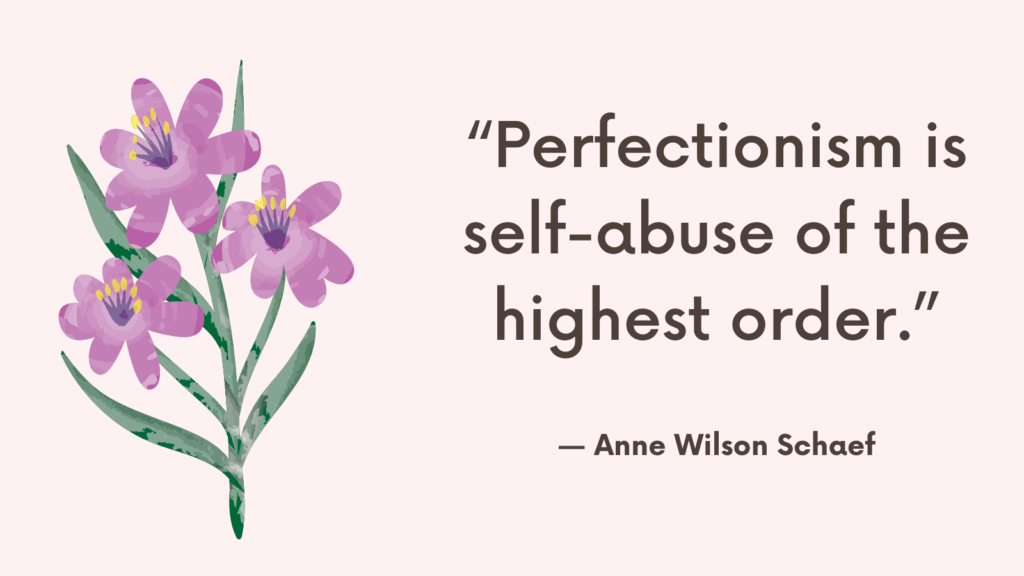
Perfectionism in parenting doesn’t always look like pressure or control—it often shows up as fear, guilt, and constant self-doubt. You want to be the best parent possible, but instead of feeling empowered, you feel exhausted trying to meet impossible standards. This quiet, internal pressure can affect your confidence, your child’s experience, and your overall well-being. Here’s how perfectionism may be showing up in your parenting—often without you realizing it.
Perfectionism in Parenting: How It Shows Up
1. You Feel Like You Must Never Make Mistakes
You hold yourself to unrealistic standards, believing that one wrong move could “ruin” your child. You apologize excessively or feel deep guilt for small missteps, forgetting that children learn more from your repair than your perfection.
2. You Over-Analyze Every Decision
From what snacks to give to how you respond to tantrums, you second-guess yourself constantly. This mental exhaustion is rooted in the fear of getting it wrong—every single time.
3. You Compare Yourself to “Perfect” Parents
You scroll social media or listen to advice and instantly feel not enough. Someone else’s highlight reel becomes the standard you silently punish yourself with.
4. You Have a Hard Time Asking for Help
Perfectionism tells you that needing help = failing. So you isolate, even when overwhelmed, trying to do it all alone to maintain the image of being a “good” parent.
5. You Struggle to Let Your Child Be Messy or Imperfect
You feel triggered when your child makes mistakes, has big emotions, or doesn’t meet expectations—because deep down, you worry it reflects on you.
6. You Avoid Play or Spontaneity Because You’re Focused on Doing Everything “Right”
You focus so much on structure, milestones, and outcomes that you forget joy, presence, and connection matter just as much.
Related: Letting Go of Perfectionism: Best 20 Tips
7. You Tie Your Worth to Your Child’s Behavior
If your child struggles, melts down, or acts out, you feel like you’re failing as a parent. Instead of supporting them through it, you shame yourself.
8. You Struggle to Rest or Take Breaks
You feel guilty for relaxing, believing you always need to be “doing something” for your child or home. Rest feels like a luxury you haven’t earned.
Related: Best 38 Brené Brown Perfectionism Quotes
How to Overcome Perfectionism in Parenting?
1. Redefine What a “Good Parent” Is
Instead of aiming for flawless, aim for real. A good parent is consistent, loving, and human. Mistakes don’t break trust—repairing them strengthens it. Say to yourself:
“I’m allowed to be learning, too.”
2. Notice the Inner Critic—and Gently Disagree
Perfectionism often shows up as a harsh voice that says:
“You’re not doing enough. You’re messing this up.”
Practice pausing and saying:
“This is hard—but I’m showing up with love, and that matters.”
3. Let Go of the “Right Way” to Do Everything
There’s no perfect script for feeding, sleeping, schooling, or disciplining. Tune out the noise and ask:
“What works best for my child and my capacity right now?”
4. Model Self-Compassion for Your Child
When you make a mistake, name it and repair it.
“I snapped earlier because I was overwhelmed. That wasn’t okay, and I’m sorry.”
This teaches your child that being human is safe and repairable.
5. Take Breaks Without Guilt
You don’t have to earn rest. You are a better parent when your nervous system is regulated. A well-rested, calm parent offers more than a constantly over-functioning one ever could.
Related: How To Break The Cycle Of Performance Anxiety?
6. Stop Tying Your Worth to Your Child’s Behavior
Your child’s big feelings or meltdowns don’t mean you’ve failed. They mean they’re growing. You’re not raising a reflection—you’re raising a real person.
7. Connect More, Control Less
Trade the urge to do everything “right” for the goal of being emotionally present. A strong relationship will outlast any mistake you make along the way.
8. Celebrate the Ordinary
Perfectionism craves big, impressive moments. But connection grows in the small: bedtime snuggles, laughing at spilled milk, holding space during a tantrum. These are the moments that matter most.
Related: How to Overcome the Fear of Losing Control?
Conclusion
Perfectionism in parenting isn’t love—it’s fear in disguise. Your child doesn’t need a flawless parent. They need a present, honest, emotionally available one. The more you allow yourself to be human, the more permission you give your child to grow up knowing that mistakes are safe, love is unconditional, and worth isn’t earned—it’s innate.