Attachment styles describe how we emotionally connect to others, especially in close relationships. They form early in life—shaped by how we were cared for—but they continue to impact our adult friendships, partnerships, and even how we treat ourselves.
Here’s a simple breakdown of the four main attachment styles, what they feel like from the inside, and how they show up in relationships.
The 4 Attachment Styles Explained Simply
1. Secure Attachment
“I trust others, and I trust myself.”
People with secure attachment are comfortable with intimacy and independence. They know how to depend on others without losing themselves and can handle conflict without fear of abandonment or emotional shutdown.
What it feels like:
- You feel safe being vulnerable
- You don’t obsess over whether someone loves you
- You can say “no” without guilt
- You recover from disagreements without spiraling
In relationships:
- You give and receive support easily
- You don’t fear closeness or distance
- You assume your partner has good intentions
- You know that your needs matter too
2. Anxious Attachment
“I’m afraid you’ll leave, so I try harder to make you stay.”
People with anxious attachment crave closeness but fear abandonment. They may become hyper-aware of others’ moods, overanalyze messages, or worry constantly about being rejected or not good enough.
What it feels like:
- You need constant reassurance
- You fear being too much or not enough
- You overthink small things (“They didn’t text back—are they mad?”)
- You feel anxious when alone or not in contact
In relationships:
- You may become clingy or controlling without meaning to
- You struggle to feel secure unless constantly affirmed
- You prioritize others’ needs above your own
- You often fear being left, even when there’s no real threat
Related: How Does a Secure Attachment Look Like?
3. Avoidant Attachment
“I don’t want to rely on anyone—it’s safer to stay distant.”
Avoidantly attached people value independence over closeness. They often feel uncomfortable with emotional intimacy and may withdraw when things get too personal. They may seem confident, but it often masks fear of vulnerability.
What it feels like:
- You feel smothered by emotional demands
- You shut down when things get intense
- You often say “I’m fine” even when you’re not
- You feel safer alone than with others
In relationships:
- You may send mixed signals—warm one moment, distant the next
- You pull away when someone gets close
- You resist needing anyone, including partners
- You may be labeled as emotionally unavailable
4. Disorganized (Fearful-Avoidant) Attachment
“I want closeness, but I’m terrified of getting hurt.”
Disorganized attachment is a mix of anxious and avoidant styles. It often develops in people who experienced trauma, abuse, or deeply inconsistent caregiving. They want connection but fear it, which creates intense internal conflict.
What it feels like:
- You crave intimacy but also push people away
- You don’t trust others—or yourself
- You may feel confused about your own feelings
- Relationships feel chaotic or unsafe
In relationships:
- You alternate between clinging and avoiding
- You expect betrayal or abandonment
- You may sabotage closeness, even if you want it
- You feel unworthy of love, but desperately seek it
Related: Healing Anxious Attachment In Adults In 5 Steps
How to Become More Secure in Relationships?
Becoming more secure in your relationships doesn’t mean never feeling fear, doubt, or emotional discomfort. It means learning to respond to those emotions in healthier ways—ways that don’t sabotage intimacy, compromise your needs, or cause emotional shutdown.
Whether your attachment style is anxious, avoidant, or disorganized, building secure traits is possible. You’re not stuck. You’re rewiring.
1. Name Your Attachment Triggers Without Shame
The first step toward security is awareness.
Do this:
- Notice when you feel panicked, needy, withdrawn, or distrustful
- Ask yourself: “What need is going unmet right now?”
- Identify patterns: “I tend to pull away when I feel overwhelmed” or “I cling when I sense disconnection”
When you name the pattern, you reclaim the power to pause and choose differently.
2. Practice Safe Emotional Expression
People with insecure attachment often either explode with emotions or shut them down. Security comes from learning to express feelings without losing control—or fearing rejection.
Try:
- “I felt anxious when I didn’t hear from you. I just needed some reassurance.”
- “I notice I tend to shut down when things get intense. I’m working on staying present.”
- “I want to share how I feel, even if it’s uncomfortable.”
Learning to talk about your feelings calmly and clearly builds trust and emotional safety.
Related: How to Reassure an Anxiously Attached Partner?
3. Ask For Reassurance Without Apologizing
Secure people know it’s okay to have needs. If you’re anxious, you may feel “too much.” If you’re avoidant, you may feel “needy = weak.” But asking for reassurance is healthy.
Practice:
- “Can you remind me that we’re okay?”
- “It helps when you check in with me more regularly.”
- “When you’re quiet, I start assuming something’s wrong—can we talk about that?”
Asking doesn’t make you weak. It makes you self-aware.
4. Respect Others’ Boundaries—and Set Your Own
Secure relationships honor mutual autonomy. That means giving space and protecting your own.
To become more secure:
- Don’t chase when someone needs space
- Don’t disappear when someone wants closeness
- Say what you need: “I need alone time to recharge, but I care about us.”
- Honor others’ limits without taking it personally
Secure attachment thrives on mutual respect—not control or avoidance.
5. Reparent the Parts of You That Fear Rejection
Insecure attachment often stems from early experiences where your emotional needs weren’t met. You can’t rewrite the past—but you can give yourself now what you didn’t get then.
Practice daily:
- “I see that scared part of me. I’m here for you now.”
- “I may not have felt safe before, but I’m creating safety for myself today.”
- “I am lovable, even when I feel anxious or unsure.”
Building internal security starts with giving yourself the love and stability you long for.
Related: Best 10 Books On Healing Anxious Attachment
6. Respond Instead of Reacting
Security grows when you replace emotional reflexes with mindful choices.
Instead of:
- Ghosting when overwhelmed → Say: “I need a little space, but I’ll check back in.”
- Panicking after a short silence → Say: “Hey, I just wanted to reconnect.”
- Assuming the worst → Ask for clarity before spiraling.
Create a pause between feeling and action. That space is where secure behavior grows.
7. Trust That You Can Handle Discomfort
Secure attachment isn’t about always feeling calm—it’s about knowing you’ll survive moments of uncertainty, fear, or even rejection.
Tell yourself:
- “This is uncomfortable, but I can sit with it.”
- “Even if this person pulls away, I will be okay.”
- “I don’t need to chase or run—I can stay grounded.”
You become more secure not by avoiding hard feelings, but by staying connected to yourself through them.
8. Choose Relationships That Support Security
You cannot build security in a relationship where safety, respect, or consistency is lacking.
Look for people who:
- Are emotionally available
- Take responsibility for their actions
- Communicate openly and respectfully
- Don’t punish you for having needs
Healing is much easier when you’re not constantly triggered by emotional chaos.
Related: Anxious Preoccupied Attachment Style (What Is It & How To Overcome It?)
Conclusion
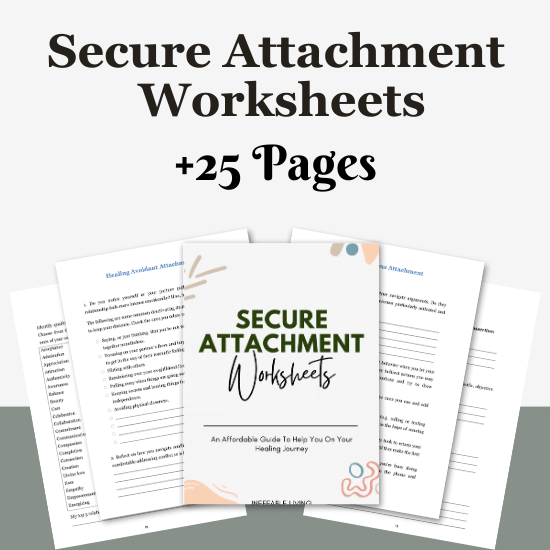
You don’t choose your attachment style—but you can heal and shift it over time. With awareness, healthy relationships, and support, you can move toward a more secure attachment style—one where you feel safe with others and safe within yourself.