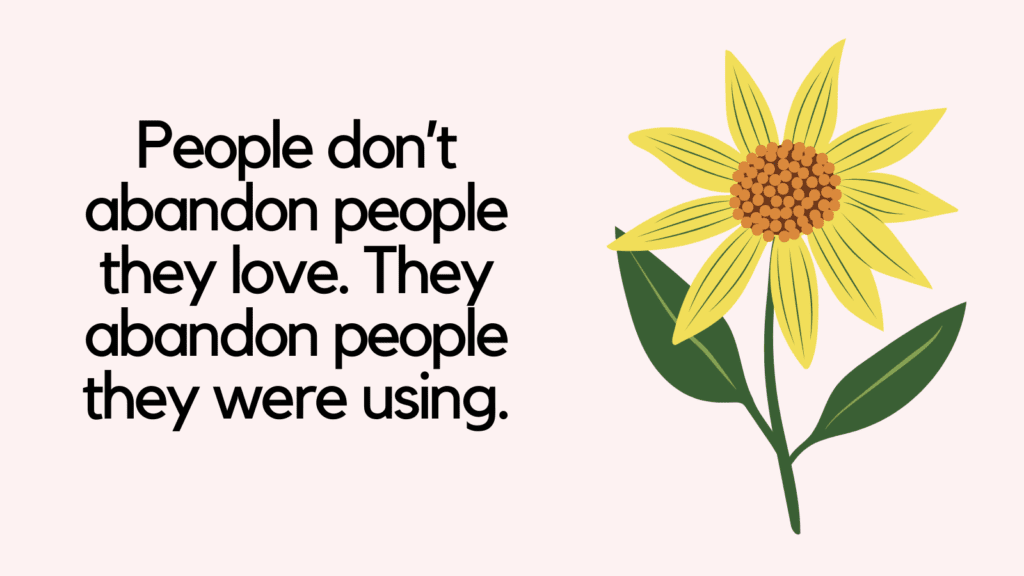
Fear of abandonment is the persistent fear that someone important to you will leave, reject you, replace you, lose interest, or stop caring.
It can show up in romantic relationships, friendships, family relationships, and sometimes even at work. You may become highly sensitive to distance, changes in tone, slower replies, conflict, or anything that feels like a sign that someone is pulling away.
The fear can become so strong that you start reacting to the possibility of abandonment before any abandonment has actually happened.
The Psychology Behind Fear of Abandonment
1. Past Loss Can Teach You to Expect Future Loss
If important people in your life were unavailable, inconsistent, rejecting, or suddenly gone, your brain may learn:
“People I love can disappear.”
Later, even stable relationships may feel uncertain.
You may constantly prepare for the possibility that the same thing will happen again.
2. Inconsistent Care Can Make Relationships Feel Unpredictable
If someone was warm and loving sometimes but distant or rejecting at other times, closeness may have become confusing.
You may have learned to watch carefully for changes in:
- Mood.
- Tone.
- Attention.
- Affection.
- Availability.
That pattern can continue in adult relationships.
Small changes may feel much bigger because your brain is looking for early signs of rejection.
3. Rejection Can Become Linked to Self-Worth
Fear of abandonment often carries a deeper belief:
“If they leave, it means I was not good enough.”
A breakup or disagreement is no longer just painful.
It becomes evidence that you are:
- Unlovable.
- Too difficult.
- Not interesting enough.
- Easily replaceable.
- Not worth staying for.
This makes normal relationship uncertainty much harder to handle.
4. You May Become Highly Sensitive to Distance
A delayed reply can feel like rejection.
A quiet evening can feel like loss of interest.
Someone needing space can feel like the beginning of the end.
You may notice small changes very quickly because you are constantly scanning for signs that the relationship is changing.
5. Your Brain May Fill in Missing Information With the Worst Explanation
If you do not know why someone is acting differently, fear can fill in the gap.
“They are busy.”
becomes:
“They are avoiding me.”
“They seem tired.”
becomes:
“They are losing interest.”
“They need some space.”
becomes:
“They are going to leave.”
The interpretation can feel like a fact even when you have very little evidence.
6. Reassurance Can Become Addictive
When you feel afraid, reassurance gives quick relief.
You may ask:
- Do you still love me?
- Are we okay?
- Are you mad at me?
- Are you going to leave?
- Do you still want this relationship?
The reassurance works for a while.
Then doubt returns.
You ask again.
Over time, your brain may learn that you cannot feel secure without repeated confirmation from the other person.
7. You May Test People Without Realizing It
Sometimes fear of abandonment leads to testing.
You may:
- Pull away to see if they chase you.
- Threaten to leave.
- Start arguments.
- Become cold.
- Ignore messages.
- Say “You don’t care about me” to see how strongly they disagree.
The goal is often reassurance.
But testing can create the very instability you fear.
8. Closeness Can Make the Fear Stronger
Fear of abandonment often becomes more intense when you care deeply.
The more important someone becomes, the more you feel you have to lose.
This can create a strange pattern:
You want closeness.
You get closeness.
Then the fear of losing it becomes stronger.
You may become more anxious precisely because the relationship matters.
9. You May Confuse Independence With Rejection
Healthy relationships include separate time, interests, friends, and responsibilities.
But fear of abandonment can interpret independence as:
“They do not need me.”
“They prefer other people.”
“They are becoming distant.”
“They are preparing to leave.”
The problem is not the other person’s independence.
It is the meaning your fear gives to it.
10. Jealousy Can Grow From Fear of Replacement
Fear of abandonment often includes fear of being replaced.
You may compare yourself with:
- Ex-partners.
- Friends.
- Coworkers.
- People online.
- Anyone your partner spends time with.
You may think:
“What if they like them more?”
The fear is often less about the other person and more about your belief that someone “better” could take your place.
11. Conflict Can Feel Like the Relationship Is Ending
In secure relationships, disagreement is uncomfortable but manageable.
With abandonment fear, conflict may feel much more serious.
A disagreement can quickly become:
“They are done with me.”
“This relationship is falling apart.”
“They are going to leave.”
You may rush to repair the conflict before either person has had time to think.
12. You May Apologize Even When You Have Done Nothing Wrong
If keeping the relationship feels more important than being understood, you may apologize simply to end tension.
You might say sorry for:
- Having needs.
- Expressing hurt.
- Setting a boundary.
- Disagreeing.
- Asking questions.
You are trying to prevent distance, even if it means ignoring yourself.
13. You May Stay in Unhealthy Relationships Because Leaving Feels Worse
Fear of abandonment can make a bad relationship feel safer than no relationship.
You may tolerate:
- Disrespect.
- Inconsistency.
- Neglect.
- Repeated betrayal.
- Poor treatment.
because losing the person feels more frightening than staying unhappy.
14. You May Become Overly Focused on Keeping Someone Happy
You may believe:
“If I can keep them happy, they will stay.”
That can lead to:
- People pleasing.
- Weak boundaries.
- Avoiding conflict.
- Over-giving.
- Hiding your needs.
- Changing yourself to fit what they want.
The relationship may remain, but you gradually disappear inside it.
15. Fear of Abandonment Can Create Self-Sabotage
Some people leave first because being left feels unbearable.
You may:
- End relationships suddenly.
- Push people away.
- Become distant when things get serious.
- Reject someone before they can reject you.
The thinking is often:
“If this is going to end, I would rather control how it ends.”
16. You May Mistake Anxiety for Intuition
Fear can feel convincing.
You may think:
“I just know something is wrong.”
But sometimes what feels like intuition is actually anxiety making a prediction.
Before acting, ask:
“What evidence do I have right now?”
A strong feeling is not automatically proof.
17. Fear Can Make You Monitor the Relationship Constantly
You may track:
- How often they message.
- How affectionate they are.
- How quickly they reply.
- Whether their tone changed.
- How often they make plans.
- Whether they seem as interested as before.
Constant monitoring makes every small change feel important.
18. Your Identity Can Become Too Dependent on the Relationship
If your relationship becomes your main source of:
- Worth.
- Purpose.
- Confidence.
- Belonging.
- Social connection.
the possibility of losing it feels even more threatening.
You are not only afraid of losing the person.
You are afraid of losing who you are without them.
19. Fear of Abandonment Can Become a Self-Fulfilling Cycle
The fear itself can create relationship strain.
For example:
You fear they are pulling away.
You ask for reassurance constantly.
They feel pressured and take more space.
You notice the distance.
You think:
“I knew they were leaving.”
The original fear helped create some of the behavior you were afraid of.
20. Old Experiences Can Get Projected Onto New People
A current partner may not have done what someone from your past did.
But your brain may still expect the same ending.
You may respond to the current person as though they are:
- The parent who disappeared.
- The ex who cheated.
- The friend who rejected you.
- The person who suddenly stopped caring.
The past can start shaping how you interpret the present.
What Helps With Fear of Abandonment
1. Separate What Is Happening From What You Fear Is Happening
Ask:
“What are the facts?”
Then:
“What am I predicting?”
For example:
Fact: They have not replied for three hours.
Fear: They are losing interest.
Do not treat the prediction as proof.
2. Challenge the Worst-Case Interpretation
When your mind jumps to abandonment, ask:
- What evidence supports this?
- What evidence does not?
- What are three other explanations?
- Am I reacting to the present or something from my past?
This stops fear from automatically becoming reality in your mind.
3. Stop Asking for Reassurance Every Time Anxiety Appears
Before asking:
“Are we okay?”
answer yourself first.
Ask:
“Has anything actually happened that suggests the relationship is in danger?”
Sometimes the answer is no.
Repeated reassurance may calm you for a few minutes but keep the fear dependent on someone else’s response.
4. Stop Testing the Relationship
If you want reassurance, ask directly.
Do not:
- Threaten to leave.
- Ignore them.
- Create jealousy.
- Start unnecessary arguments.
- Pull away to see if they follow.
Tests damage trust.
Clear communication gives you real information.
5. Say What You Actually Need
Instead of accusing:
“You do not care about me.”
try being specific about the real issue.
For example:
“I noticed we have spent less time together lately, and I want to talk about it.”
Direct communication is much more useful than trying to make someone prove they care.
6. Learn the Difference Between Space and Rejection
Someone can:
- Need time alone.
- Spend time with friends.
- Be busy.
- Have hobbies.
- Be tired.
- Have a bad day.
without abandoning you.
Do not automatically translate independence into rejection.
7. Stop Monitoring Every Small Change
Do not treat every change in:
- Tone.
- Texting.
- Mood.
- Attention.
- Affection.
as a relationship emergency.
Look for patterns, not isolated moments.
One quiet evening is different from months of emotional withdrawal.
8. Build a Life That Does Not Depend on One Person
Keep parts of your life that belong to you.
Maintain:
- Friendships.
- Interests.
- Work.
- Goals.
- Routines.
- Personal projects.
The healthier your life is outside the relationship, the less terrifying every small shift inside the relationship becomes.
9. Strengthen Your Own Judgment
Do not make your partner responsible for constantly deciding whether you are lovable.
Practice asking yourself:
“Is this relationship actually healthy?”
“Are my needs being met?”
“Do I trust what I am seeing?”
Security also comes from trusting yourself to recognize problems if they genuinely appear.
10. Stop Trying to Make Yourself Impossible to Leave
You cannot guarantee that someone will stay by becoming:
- More attractive.
- More agreeable.
- Less needy.
- More useful.
- Easier to deal with.
Relationships do not come with guarantees.
Your goal is not to become impossible to leave.
It is to become someone who can choose healthy relationships and cope if a relationship ends.
11. Build Confidence in Your Ability to Handle Loss
Fear becomes stronger when you believe:
“If they leave, I will not survive it.”
Challenge that belief.
Ask:
“If this relationship ended, what would I actually do?”
You might:
- Reach out to people you trust.
- Adjust your routine.
- Grieve.
- Rebuild.
- Learn from what happened.
- Eventually move forward.
Loss would hurt.
That does not mean it would destroy you.
12. Stop Over-Apologizing to Keep the Peace
Before saying sorry, ask:
“Did I actually do something wrong?”
You are allowed to:
- Have needs.
- Disagree.
- Ask questions.
- Set limits.
- Be disappointed.
A relationship that requires you to constantly erase yourself is not secure.
13. Let Conflict Be Conflict
An argument does not automatically mean abandonment.
During conflict, avoid jumping immediately to:
“You do not love me anymore.”
“You are leaving.”
“This relationship is over.”
Stay with the actual issue.
Ask:
“What are we disagreeing about?”
Deal with that problem instead of turning it into a prediction about the entire relationship.
14. Stop Comparing Yourself With Possible Replacements
If you constantly compare yourself with other people, there will always be someone who seems:
- More attractive.
- More interesting.
- More successful.
- More confident.
Relationships are not usually maintained by being objectively “better” than everyone else.
Stop treating love like a competition you must constantly win.
15. Watch How the Other Person Actually Behaves
Do not dismiss real problems in the name of “working on your abandonment fear.”
Pay attention to behavior.
A healthy partner generally shows:
- Consistency.
- Respect.
- Honest communication.
- Reasonable reliability.
- Willingness to repair problems.
If someone repeatedly threatens to leave, disappears, cheats, manipulates, or uses abandonment to control you, your anxiety may be responding to a genuinely unstable relationship.
16. Stop Staying Just Because You Fear Being Alone
Ask:
“If I knew I could handle being single, would I still choose this relationship?”
That question can reveal whether you are staying because the relationship is good or because leaving feels terrifying.
17. Set Boundaries Even When You Fear the Reaction
Fear of abandonment can make boundaries feel dangerous.
But practice saying:
- “That is not okay with me.”
- “I need more consistency.”
- “I am not comfortable with that.”
- “I need some time to think.”
If someone leaves because you expressed a reasonable boundary, the boundary did not destroy a healthy relationship.
It revealed something about the relationship.
18. Build Evidence That People Can Be Consistent
Fear tends to notice every sign of possible rejection and ignore evidence of stability.
Notice when people:
- Keep promises.
- Return after disagreements.
- Respect your boundaries.
- Communicate clearly.
- Continue showing up.
Let current evidence update old expectations.
19. Stop Making Major Relationship Decisions During Panic
When you suddenly feel abandoned, avoid immediately:
- Ending the relationship.
- Sending multiple messages.
- Accusing.
- Blocking.
- Threatening.
- Demanding reassurance.
First check the facts.
Then decide whether there is actually something that needs to be addressed.
20. Ask Whether the Fear Belongs to This Relationship
When you feel strongly triggered, ask:
“Has this person actually shown me they are unreliable?”
or:
“Does this feeling remind me of something that happened before?”
Sometimes the current situation deserves attention.
Sometimes the intensity belongs more to the past than the present.
21. Practice Letting People Choose You Freely
Trying to control whether someone stays creates constant anxiety.
A healthier relationship allows both people to choose the relationship.
You do not have to:
- Chase.
- Beg.
- Perform.
- Manipulate.
- Monitor.
Someone staying because they genuinely want to is more meaningful than someone staying because you worked constantly to prevent them from leaving.
22. Build Self-Worth Outside of Being Chosen
Being loved by someone can matter deeply.
But it cannot be the only evidence that you have value.
Your worth should also come from:
- How you live.
- How you treat people.
- What you value.
- What you build.
- What you learn.
- The decisions you make.
Being rejected can hurt without becoming proof that you are worthless.