The following are some of the best books about stress relief.
Disclosure: Some of the links below are affiliate links. This means that, at zero cost to you, I will earn an affiliate commission if you click through the link and finalize a purchase.
Top 9 Books for Stress Relief

1. The Relaxation and Stress Reduction Workbook
By by Martha Davis PhD, Elizabeth Robbins Eshelman MSW, Matthew McKay PhD
A practical workbook filled with exercises for reducing stress, relaxing your body, managing difficult thoughts, and building healthier coping habits.
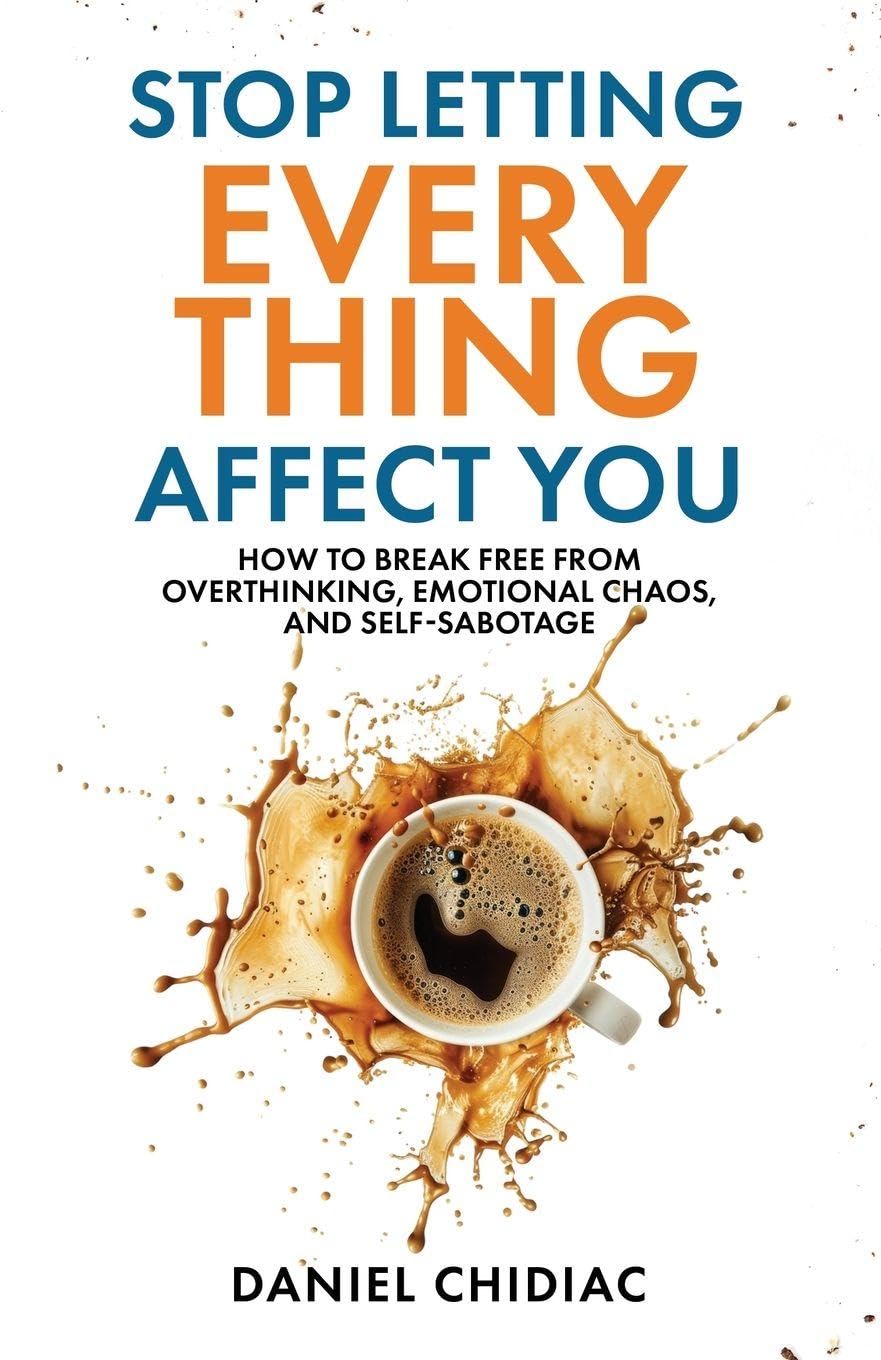
2. Stop Letting Everything Affect You
by Daniel Chidiac
A straightforward guide to becoming less emotionally reactive, setting stronger boundaries, and stopping other people or situations from controlling your mood.

3. The Stress-Proof Brain
By Melanie Greenberg PhD
Explains how stress affects the brain and offers practical strategies for changing unhelpful thinking, handling pressure, and becoming more resilient.

4. Stress Resets
By Jennifer L. Taitz PsyD ABPP
A collection of quick, practical techniques designed to help you respond differently to stress and regain focus when you feel overwhelmed.

5. The Stress Paradox
By Sharon Horesh Bergquist
Explores how certain forms of stress can strengthen the body and mind, while showing how to distinguish helpful stress from harmful chronic stress.

6. A Mindfulness-Based Stress Reduction Workbook
By Bob Stahl PhD, Elisha Goldstein PhD
A structured workbook based on the MBSR program, with exercises for managing stress, difficult emotions, and everyday challenges.

7. 10% Happier
By Dan Harris
A personal and practical look at how Dan Harris learned to manage stress, overthinking, and emotional reactions after experiencing a panic attack on live television.

8. The Upside of Stress
By Kelly McGonigal PhD
Challenges the idea that all stress is harmful and explains how changing the way you think about stress can help you cope with challenges more effectively.

9. Stop Stress Before It Starts
By Michael Olpin
Focuses on preventing unnecessary stress by identifying common triggers, changing stressful thinking patterns, and building practical daily habits.