This post contains some of the best workplace wellness quotes
Workplace Wellness Quotes
1. “A range of issues may cause or exacerbate stress. Work-related stress may be connected to issues such as role overload (too much to do) and interpersonal strain.” – Meredith Fuller
2. “Companies are promoting the idea of healthy practices at the workplace because it increases productivity and reduces absenteeism!” – Shameem Akhtar
3. “Deciding whether you need to stay or go is highly connected to how stressful it is for you to work in your particular organization.” – Meredith Fuller
4. “Establishing friendships with coworkers can make your professional life easier, more rewarding, and can help you weather the difficult times that inevitably accompany any career.” – Ken Kupchik
5. “For many, remote work has been a godsend, as their taxing morning commute has been replaced by rolling onto their side and tapping the keyboard to make it look like they’ve logged on for the day. But for others, the prolonged isolation has caused undue distress, and the lack of structure has made it difficult to be productive, which sounds believable enough to garner sympathy if you ever need an excuse for why you haven’t done any work.” – Ken Kupchik
6. “Ideally, every workplace should have policies and procedures to deal with bullying and harassment, because employers should wish to provide a safe environment for all their workers.” – Meredith Fuller
7. “Like anything else, remote work has its upsides and downsides. While some people might thrive on being locked in their bedroom all day, others will long for the camaraderie and structure found in an office.” – Ken Kupchik
8. “Prolonged stress may lead to burnout or ill health, and you want to avoid both of these at all costs. The higher and more prolonged your stress, the longer it takes to recover. You need to explore your stress levels before you can gauge whether to stay or whether you need to go.” – Meredith Fuller
9. “Sometimes women can be their own worst enemies when they consistently deliver above and beyond what is reasonable. We are master jugglers, multitaskers, creative problem-solvers, and lateral thinkers and are likely to persevere to the end.” – Meredith Fuller
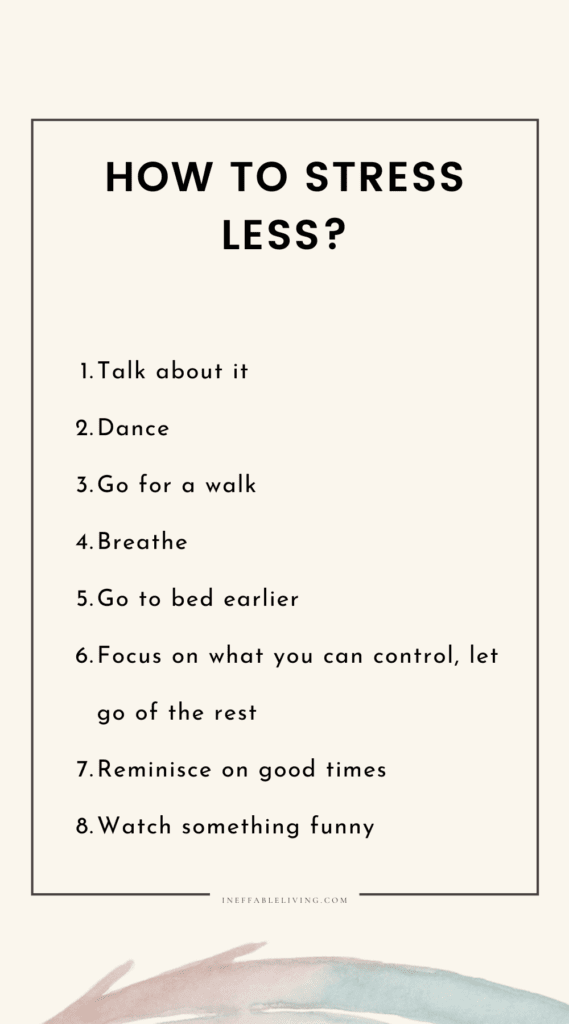
10. “Take time out of your day to sit and relax. Practice breathing and being. Give your mind and body a chance to slow down. Doing this will allow you to become refreshed so you can better cope with life ahead. Try yoga, meditation, martial arts, painting, journaling, learning a second language, reading. Strive to make these stress-reducing steps a normal part of your daily life. Enjoy the results.” – Meredith Fuller
Related: Top 14 CBT Exercise For Anger Management (+FREE Anger Worksheets)
11. “The best strategy is to prevent burnout through a combination of change and education for both the organization and the people who may be causing the stress that leads to burnout. If your manager or the organization refuse to budge—if they refuse to see that your work situation is contributing to your high levels of stress and burnout, or if they see it as your personal problem and refuse to do anything about it—you might need to consider other options, such as finding a new job, moving to a different area in the organization, changing your reporting lines, or enrolling in a class or study course as a medium-term strategy for job change.” – Meredith Fuller
12. “The main causes of workplace stress will no doubt sound familiar: long hours, heavy workload, changes within the organization, tight deadlines, changes to duties, uncertain job security, lack of autonomy, boring work, insufficient skills for the job, over-supervision, inadequate working environment, lack of proper resources, lack of equipment, few promotional opportunities, harassment, discrimination, and poor relationships with colleagues or bosses. The fact that this all sounds familiar shouldn’t detract from the effect these causes of stress can have on you.” – Meredith Fuller
13. “There is a reason why people ask a busy person to complete a task for them. Don’t feel obliged to always say yes when somebody asks you to do something. You will become exhausted and they will expect you to be available 24/7. Saying no isn’t usually our default position.” – Meredith Fuller
14. “To what extent is your well-being affected by staying? To what extent is your career affected by remaining? These are the most important questions when you are considering what to do.” – Meredith Fuller
Related: How To Live A Peaceful Life? 101 Timeless Principles to Find Peace Within Yourself
15. “Truthfully examine how much time you are devoting to your work. Would it be helpful to create some space in your life? If possible, take a holiday, leave of absence, or sabbatical to give yourself time to decompress, reflect, and reconnect.” – Meredith Fuller
16. “We have to ensure that we create cohesive, collaborative workplaces that do not advantage people who work one way over another and that keep fairness and equity at the heart of their thinking so that we don’t end up with two-tier or disparate systems.” – Cary Cooper
17. “Without your coworkers, the workplace would be an empty, quiet place, devoid of personalities, challenges, and relationships, leaving you alone to ponder your thoughts without the benefits of mutual support.” – Ken Kupchik
18. “Your health and well-being are likely to be compromised by the impact of stress, so the first step is to understand whether you are actually under stress and which career and personal areas are affected. Next, you need to determine what level of stress you are experiencing.” – Meredith Fuller
19. “Your health and well-being are the most important concerns. Without good health, you cannot function properly or care for yourself and those you are responsible for—your dependents.” – Meredith Fuller
Related: How To Build Resilience At Work? Top 19 Ways To Build Resilience And Prevent Burnout

How to Improve Workplace Wellness?
1. Reduce overload before adding programs
Burnout usually comes from too much work, unclear roles, or constant urgency.
Wellness improves when workloads are realistic, priorities are clear, and not everything is treated as an emergency.
2. Make expectations explicit
Unclear expectations create anxiety and conflict.
Clear job roles, clear deadlines, and clear success criteria reduce stress more than any wellness initiative.
3. Normalize breaks without punishment
People do better work when they are allowed to rest.
Encourage real breaks, stepping away from desks, and using time off without guilt or subtle consequences.
4. Improve boundaries around availability
Constant availability destroys wellbeing.
Set clear norms around emails, messages, and response times. Wellness increases when people are not expected to be “on” all the time.
5. Address problems early instead of letting them rot
Unresolved issues create chronic stress.
Deal with conflict, role confusion, and performance issues early and directly. Avoidance harms morale more than honest conversations.
6. Create psychological safety
People cannot be well in environments where they fear punishment for speaking up.
Encourage respectful disagreement, questions, and feedback without retaliation. Safety reduces stress and mistakes.
7. Support flexibility where possible
Rigid systems increase strain.
Flexible hours, remote options, or autonomy over how work is done helps people manage energy, health, and life demands.
8. Train managers in emotional intelligence
Most workplace stress comes from management issues, not the work itself.
Managers who listen, communicate clearly, and regulate their reactions improve wellbeing more than any policy change.
9. Reduce unnecessary meetings and noise
Constant interruptions exhaust people.
Fewer meetings, clearer agendas, and protected focus time improve mental clarity and reduce fatigue.
10. Model wellness from leadership
Wellness messages fail when leaders ignore them.
When leaders respect boundaries, take breaks, and manage stress visibly, employees feel permission to do the same.
11. Provide support without stigma
Access to mental health resources matters only if people feel safe using them.
Normalize support as part of work life, not a sign of weakness or failure.
12. Measure wellness by sustainability, not mood
Wellness is not about being cheerful.
It is about whether people can work consistently without burning out, disengaging, or leaving. Sustainability is the real metric.
Conclusion
Improving workplace wellness means fixing the systems that exhaust people, not asking individuals to cope better. When workloads are realistic, expectations are clear, boundaries are respected, and leadership models balance, wellness improves naturally. A healthy workplace is not one where people are always positive. It is one where people can function, recover, and stay without breaking down.