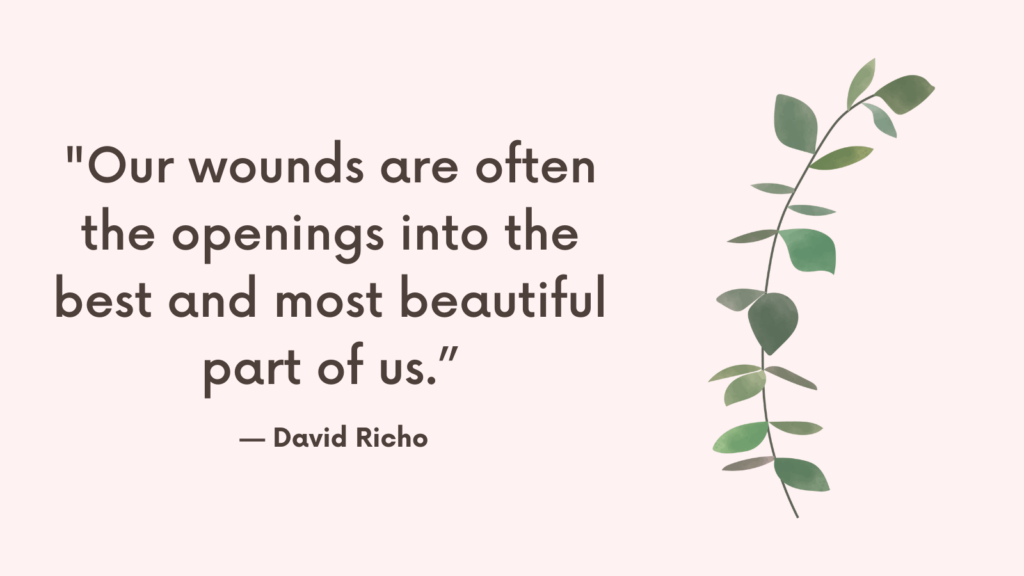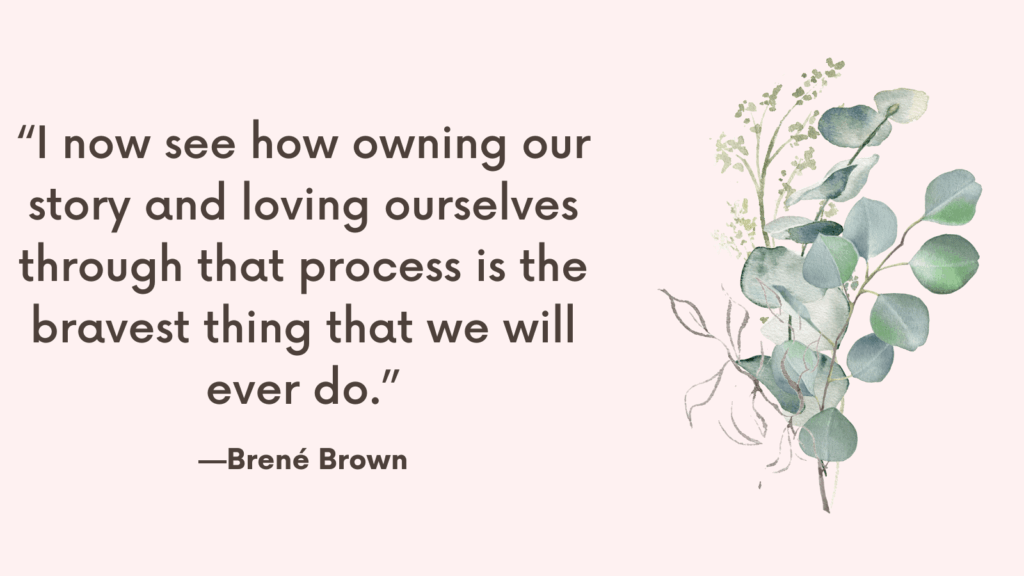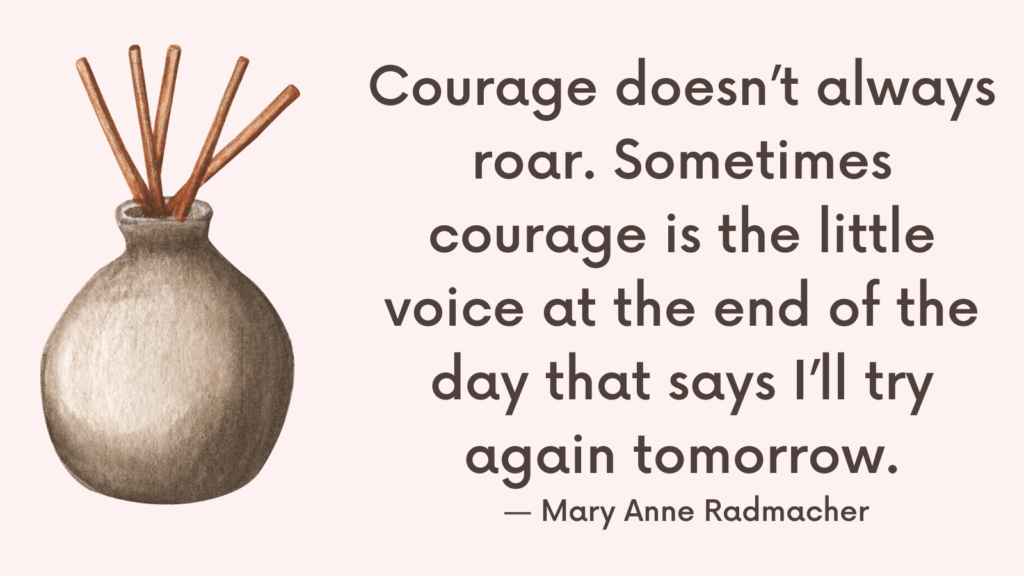
Insecurities are a universal part of being human, but most people keep them hidden beneath a polished exterior. These quiet fears often shape how we think, act, and relate to others — even if they’re never spoken out loud. Here are some of the most common insecurities people carry in silence.
Why We Hide Certain Insecurities
Most insecurities aren’t hidden because they’re small — they’re hidden because they feel shameful.
They touch the parts of us that feel unlovable, broken, or “too much.”
We often silence these inner doubts because:
- We fear being judged
- We think we’re the only one
- We learned early that vulnerability wasn’t safe
- We’ve built an identity around seeming strong, capable, or put-together
But these silent insecurities don’t disappear.
They just live under the surface — shaping relationships, self-esteem, and decision-making in subtle but powerful ways.
10 Common Insecurities People Rarely Admit Out Loud
1. Fear of Not Being Truly Liked
Many people worry that others only tolerate them out of politeness or obligation. Beneath friendly interactions lies the nagging doubt: “If they really knew me, would they still want me around?”
Related: 15 Things to Do When You Don’t Feel Worthy
2. Worrying About Physical Appearance
Even those who seem confident often carry hidden shame about their looks — skin, weight, hair, aging, or small features they believe others notice. These private comparisons fuel quiet self-consciousness.
3. Doubts About Intelligence or Competence
In workplaces, schools, and social groups, people silently question if they’re smart or capable enough. Imposter syndrome is widespread, but few openly admit the constant fear of being “found out.”
4. Fear of Being a Burden
Many secretly worry that their needs, struggles, or presence weigh others down. This insecurity often leads to over-apologizing, avoiding asking for help, or pretending everything is fine.
5. Insecurity About Social Skills
Some replay conversations in their heads, fearing they said something awkward or wrong. Others avoid social settings altogether because they quietly believe they’re not likable or interesting.
6. Anxiety About Financial Status
Money worries run deep, but they’re rarely spoken about openly. People compare lifestyles, clothes, or opportunities and silently fear being judged as less successful or inadequate.
7. Fear of Not Being Enough in Relationships
Whether as a partner, friend, or parent, many hold the hidden belief: “I’m not giving enough, doing enough, or being enough.” This insecurity drives over-giving or people-pleasing while masking the fear of rejection.
Related: How to Talk to Yourself Kindly When You Mess Up?
8. Worrying About Aging and Time Passing
Even those who embrace life stages privately struggle with the signs of aging, fear of lost opportunities, or the sense that time is slipping away faster than they can keep up.
9. Doubts About Worthiness of Love
At the core of many insecurities lies the quiet question: “Am I truly lovable?” People rarely say this out loud, but it colors how they approach intimacy and attachment.
10. Comparing Life Paths to Others
It’s easy to scroll through social media or watch peers succeed and silently wonder: “Why am I not further ahead?” This insecurity often lingers beneath smiles and encouragement offered to others.
How to Deal with Insecurities?
1. Name the Insecurity Instead of Hiding It
The first step is acknowledgment. When you notice feelings of inadequacy creeping in, pause and name them: “This is insecurity about my appearance.” Labeling brings awareness and reduces the power of the unspoken.
2. Challenge the Inner Critic
Insecurities grow louder when we accept negative self-talk as truth. Start questioning those thoughts: “Is this fact or fear? Would I say this to someone I care about?” Shifting perspective loosens insecurity’s grip.
Related: Best 10 Books On Self Love And Healing
3. Reframe Comparison
Constantly comparing yourself to others intensifies insecurity. Instead, try reframing: notice qualities in others without turning them into evidence of your own lack. Replace “I’m not as successful” with “They’ve achieved this — what small step can I take toward my own goals?”
4. Build on Small Wins
Insecurities shrink when you collect evidence of competence and worth. Set manageable goals and celebrate progress, no matter how small. Each win becomes proof that you are capable and moving forward.
5. Strengthen What You Value About Yourself
Instead of obsessing over perceived flaws, shift focus to your values, skills, and strengths. Ask: “What do I bring to relationships? What qualities do I admire in myself?” Actively nurturing these traits builds resilience against insecurity.
6. Open Up to Safe People
Keeping insecurities hidden gives them more power. Sharing them with a trusted friend, partner, or therapist can lighten the load and remind you that others see you more kindly than you see yourself.
7. Practice Self-Compassion
Harshness fuels insecurity; kindness softens it. Treat yourself as you would a friend going through the same struggle. Swap criticism for gentle reminders: “I’m learning.” “It’s okay to not be perfect.”
8. Limit Triggers That Feed Insecurity
Social media, toxic comparisons, or critical environments can amplify insecurity. Take breaks, unfollow accounts that make you feel “less than,” and create spaces that reinforce your worth instead of tearing it down.
Related: Top 75 Self Love Questions (+FREE Self-Love Resources)
9. Care for Your Body and Mind
Sleep, movement, and balanced nutrition play a bigger role in emotional resilience than we often realize. When you feel physically supported, you’re better equipped to handle insecurity without spiraling.
10. Accept That Insecurities May Linger — and That’s Okay
The goal isn’t to erase insecurity but to prevent it from running your life. You may always feel a little self-conscious in certain areas, but learning to live with it calmly turns insecurity into just one voice among many, not the loudest one.
Related: How To Nurture Yourself? Top 12 Tips
Conclusion
These insecurities may rarely be voiced, but they’re deeply felt. Recognizing them doesn’t mean we’re weak — it means we’re human. By understanding the hidden struggles most people carry, we realize that silence doesn’t equal confidence, and we’re far less alone in our private doubts than we think.