Avoiding difficult conversations is one of the most common ways people try to protect themselves from conflict, disappointment, or tension. The problem is that avoidance doesn’t solve anything — it only postpones the inevitable and often makes the issue worse over time. Unspoken frustrations build into resentment, small misunderstandings grow into fractures, and relationships begin to feel less authentic. Learning to face these conversations is not about eliminating fear, but about finding the courage to step into discomfort for the sake of honesty and healthier connections.
Why Difficult Conversations Feel So Hard
Most people aren’t taught how to tolerate emotional discomfort. So when a conversation involves potential conflict, rejection, or vulnerability, it often triggers our nervous system into fight, flight, freeze—or avoid. For those who grew up with unpredictability, criticism, or emotional neglect, this fear can become deeply wired in.
What Avoidance Really Protects
Avoiding difficult conversations isn’t about laziness or weakness—it’s often about protection. Avoidance becomes a shield against:
- Feeling misunderstood
- Being invalidated
- Facing change
- Being the “bad guy”
- Unleashing someone else’s anger
It keeps you safe in the moment, but costs you long-term connection, clarity, and self-respect.
Related: Top 10 Social Withdrawal Signs — & How To Social Isolation? (Hikikomori Syndrome)
What Avoidance Looks Like in Real Life
Avoidance isn’t always obvious. It can show up as:
- Saying “It’s fine” when it’s not
- Ghosting instead of explaining
- Making jokes to deflect
- Over-apologizing instead of stating a need
- Constantly changing the subject
- Waiting until it explodes
- Writing messages you never send
Why It Matters
Avoidance erodes relationships. It creates confusion, resentment, and emotional distance. Over time, it also erodes your own confidence—because every time you avoid, you reinforce the belief that you can’t handle emotional discomfort. But you can. And every brave step you take teaches your brain that truth.
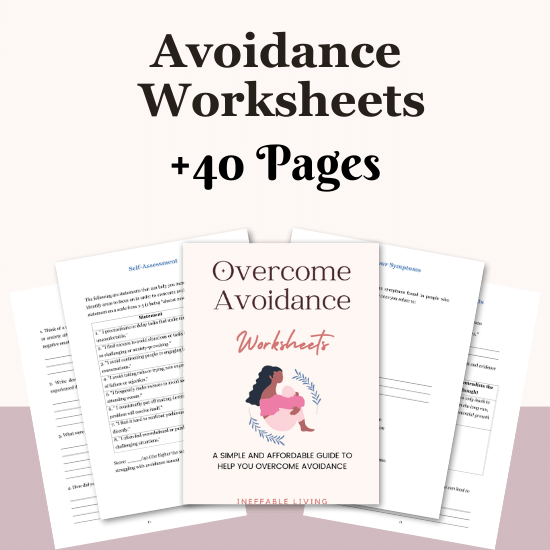
Related: Best 9 Tips On How To Stop Avoidance Cycle (+FREE Worksheets PDF)
14 Ways to Stop Avoiding Difficult Conversations
1. Understand What Fuels Your Avoidance
Many people avoid tough conversations because they fear rejection, anger, conflict, or loss of the relationship. Others carry childhood patterns where speaking up led to punishment or dismissal. By identifying why you avoid, you start to loosen its hold.
Action: Reflect on your past experiences. Write down moments where you avoided speaking up and what you feared might happen. Naming the fear gives you a starting point to challenge it.
2. Weigh the Cost of Silence
Avoidance brings temporary comfort but long-term harm. A swallowed truth doesn’t vanish — it festers, showing up as resentment, passive aggression, or emotional distance. Reminding yourself of this cost helps you choose honesty over silence.
Action: Ask yourself: What will staying silent cost me in this relationship six months from now? Contrast that with: What could change if I have this conversation now?
3. Clarify Your Purpose Before You Begin
Unclear intentions can make conversations messy. If you know what you want — to express a need, set a boundary, or resolve a misunderstanding — you’ll stay grounded when emotions rise.
Action: Write down your main goal in one sentence, such as: “I want to share how I feel when plans change last minute so we can find a better way forward.”
4. Start With Honesty About the Difficulty
You don’t need perfect words or clever openings. Simply acknowledging the awkwardness shows sincerity and lowers defenses. It signals that you’re not there to attack but to connect.
Action: Begin with phrases like: “This feels uncomfortable to bring up, but it matters to me.” or “I’ve been holding this in, and I’d rather be honest than stay silent.”
Related: The Difference Between Coping & Escaping
5. Speak From Your Experience, Not From Accusation
Blame and sweeping generalizations quickly escalate conflict. Instead of “You always” or “You never,” use “I feel” and “I need.” This approach communicates your truth without putting the other person on trial.
Action: Reframe one accusatory thought. Instead of “You don’t care about me,” try “I feel unimportant when my calls go unanswered.”
6. Prepare Your Nervous System Beforehand
Conversations are harder when your body is already tense. If you enter in a state of stress, you’re more likely to lash out or shut down. Taking time to regulate yourself helps you remain calm.
Action: Before the talk, go for a walk, practice slow breathing, or write down your main points. This creates steadiness that carries into the conversation.
7. Accept That Discomfort Is Unavoidable
Difficult conversations are named that way for a reason — they will not feel easy. Waiting for a moment when it feels entirely safe will only delay it forever. The goal is not to erase discomfort but to step through it with courage.
Action: When discomfort rises, silently remind yourself: “This feels hard because it matters.” Reframe the tension as proof of growth, not danger.
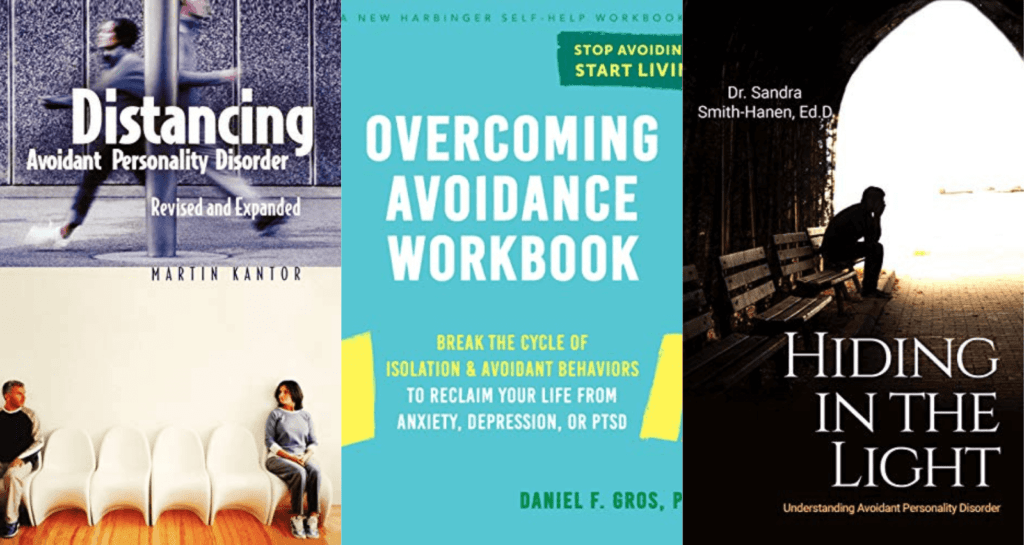
Related: Best 5 Avoidant Personality Disorder Books
8. Focus on Connection, Not Winning
Going into a conversation with the goal of being “right” often ends in defensiveness. Instead, aim to understand and be understood. Relationships thrive on connection, not victories.
Action: Ask one genuine question during the conversation to show openness, such as “Can you help me understand how you see this?”
9. Prepare for Different Responses
One of the reasons people avoid difficult conversations is fear of the unknown response. You can’t control how someone reacts, but you can prepare yourself to remain steady regardless.
Action: Imagine three possible outcomes — positive, neutral, and negative. Plan how you will respond to each without abandoning your truth.
10. Practice in Smaller Steps
If you’ve been avoiding honesty for a long time, starting with the biggest issue can feel overwhelming. Build the muscle of courage with smaller, lower-stakes conversations first. Each success gives you confidence for bigger challenges.
Action: Choose one small truth you’ve been avoiding — such as telling a friend you didn’t like a movie — and practice sharing it. Step by step, you’ll strengthen your ability to face bigger conversations.
11. Rehearse With Yourself First
Sometimes avoidance comes from fear of fumbling words. Speaking your thoughts out loud to yourself or journaling them helps clarify your message and reduce anxiety.
Action: Role-play in front of a mirror or write a script of what you want to say. Practicing once makes it easier to recall your points when emotions rise.
Related: Best 15 Books About Fear
12. Anchor Yourself in Values, Not Fear
When you know you’re speaking from a place of integrity — honesty, respect, love, fairness — you can tolerate the discomfort of the moment. Anchoring yourself in values makes avoidance less tempting.
Action: Before the talk, remind yourself: “I’m having this conversation because honesty and respect are values I want to live by.”
13. Normalize Mistakes and Imperfection
You may stumble, words may come out clumsily, and emotions may show. That doesn’t mean you failed. What matters most is showing up with sincerity. Over time, you get better at expressing yourself.
Action: If you slip up, simply say, “That didn’t come out how I meant it. Let me try again.”
14. See Each Conversation as Practice for Growth
Each time you stop avoiding and step into honesty, you build resilience. Over time, what once felt unbearable becomes manageable, and eventually, even natural.
Action: After each conversation, reflect: What went well? What felt hard? What did I learn for next time?
Conclusion
Avoiding difficult conversations may feel safe in the short term, but it slowly weakens relationships and your own sense of integrity. Choosing to face them is an act of courage that strengthens connection, self-respect, and trust. By clarifying your purpose, preparing your emotions, speaking with compassion, and accepting discomfort as part of the process, you can stop running from these moments and instead enter them with honesty and steadiness. Each time you do, you prove to yourself that you can handle discomfort — and that truth is worth far more than silence.