Judgment is a reflex many of us fall into — toward ourselves and toward others. It often stems from comparison, fear, or unmet needs for control and security. While judgment can make us feel temporarily superior or protected, it usually leaves behind guilt, resentment, and disconnection. Learning to soften judgment creates space for compassion, growth, and healthier relationships.
Why We Judge in the First Place
Judgment is often misunderstood as simple criticism. But at its root, judgment is a protective strategy.
It helps us:
- Make sense of confusing behavior
- Distance ourselves from pain or perceived threat
- Feel “in control” when life feels unpredictable
- Uphold a sense of worth or identity
- Avoid sitting with our own shame or uncertainty
In other words, judgment isn’t always about arrogance — it’s about safety.
What Self-Judgment Really Reflects
When you harshly judge yourself, you may think you’re just “keeping yourself accountable.”
But often, it reflects:
- Internalized messages from critical caregivers or culture
- Fear of failure, rejection, or not being good enough
- A mistaken belief that shame will push you to grow
- An effort to control emotions by labeling them as bad
- A deep desire to be lovable, acceptable, or “perfect”
Underneath self-judgment is often a longing for safety, connection, or redemption — not weakness.
What Judgment of Others Says About Us
When you feel reactive toward someone else, the judgment often comes from a place within you that feels:
- Envious of something you weren’t allowed to want
- Triggered by something unresolved from your past
- Frustrated by unmet expectations
- Threatened by perceived unfairness
- Disconnected from compassion — maybe because you were once denied it
Judgment toward others is rarely just about them. It’s often about the parts of ourselves we’ve learned to exile.
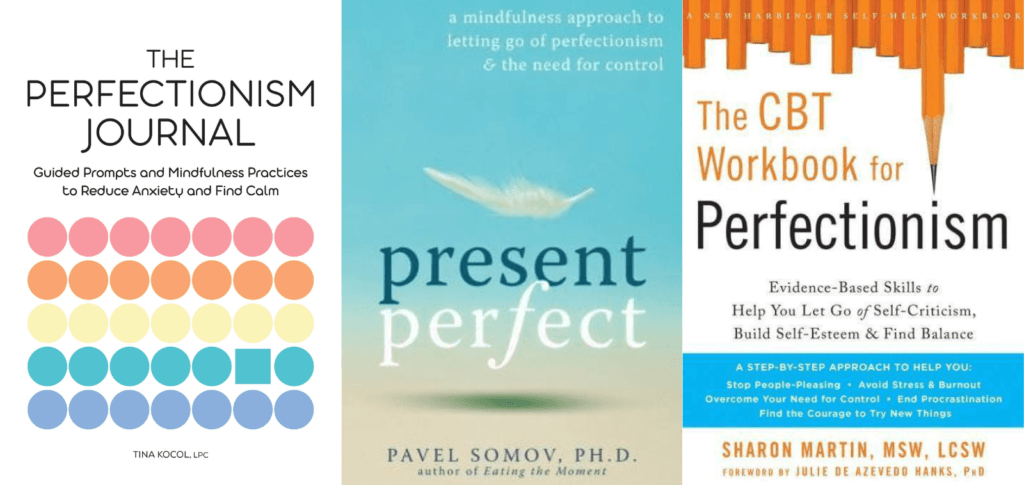
Related: Letting Go of Perfectionism: Best 20 Tips
The Illusion of Control
We often judge what we don’t understand. Why? Because understanding makes us vulnerable.
It’s easier to say:
- “They’re just lazy.”
- “I’m just broken.”
- “That kind of person is the problem.”
This black-and-white thinking helps us avoid sitting with gray-area discomfort:
- Why do I feel so angry?
- Could I be wrong?
- What if there’s more I don’t see?
Judgment gives the illusion of clarity — but it often disconnects us from truth, growth, and others.
How to Stop Judging Yourself and Others?
1. Recognize the Roots of Judgment
Judgment is rarely about the surface issue. When you judge yourself, it often comes from old shame or unrealistic expectations. When you judge others, it often reflects your own fears, insecurities, or values. Noticing this helps shift from harshness to curiosity.
Related: Best 38 Brené Brown Perfectionism Quotes
2. Separate Behavior From Worth
Everyone makes mistakes, including you. Judging the whole person — “I’m a failure,” “They’re terrible” — overshadows the nuance of behavior. Replace global labels with specific observations: “I was late today” or “They made a hurtful comment.”
3. Practice Self-Compassion First
The way you treat yourself sets the tone for how you treat others. Replace inner criticism with a gentler voice: “I’m struggling, but that doesn’t define me.” When you extend grace inward, it becomes easier to extend it outward.
4. Shift From Comparison to Connection
Judgment thrives on comparison — who’s better, smarter, more successful. Instead of measuring yourself against others, notice what you can learn from them. Curiosity builds bridges where judgment builds walls.
5. Replace Assumptions With Understanding
Instead of assuming you know why someone acts a certain way, pause and consider: “What might they be going through?” Empathy doesn’t excuse harmful behavior, but it reduces the impulse to condemn.
Related: How to Overcome the Fear of Losing Control?
6. Challenge All-or-Nothing Thinking
Judgment often comes in extremes: “I’m worthless,” or “They’re selfish.” Reality is more complex. Look for the gray areas — strengths and flaws can exist together in the same person.
7. Notice the Cost of Judgment
Judging yourself breeds shame and paralysis. Judging others fosters resentment and distance. Reflecting on these costs helps you see that judgment doesn’t protect you — it hurts you.
8. Cultivate Gratitude Instead
Gratitude shifts focus from what’s “wrong” to what’s present and valuable. When you practice noticing what you appreciate in yourself and others, judgment naturally softens.
9. Surround Yourself With Compassionate Voices
The company you keep matters. Being around critical, harsh people fuels judgment. Being around kind, supportive voices reinforces acceptance and empathy.
10. Practice Mindful Awareness
Judgment often happens automatically. Slow down and notice when it arises: “I’m criticizing myself again,” “I’m labeling them.” Awareness is the first step toward choosing a different response.
Related: Top 19 Journal Prompts For Perfectionists
Conclusion
Stopping judgment doesn’t mean excusing harmful actions or ignoring growth opportunities. It means releasing the heavy burden of constant criticism — of yourself and others — and replacing it with curiosity, compassion, and acceptance. When judgment fades, understanding grows, and both self-worth and relationships become stronger.