Cravings do not start at full strength. They build. There is a window — sometimes only a few seconds, sometimes a few minutes — where the urge is still soft enough to interrupt. Learning to de-escalate a craving early prevents it from turning into a powerful impulse that feels impossible to resist. The goal is not to eliminate cravings entirely, but to catch them while they are still manageable and steer your attention, energy, and emotions in a different direction.
How Cravings Build Momentum
A craving grows through repetition inside your mind.
A single thought becomes focus.
Focus becomes tension.
Tension becomes urgency.
Urgency becomes belief: I need this now.
Cravings escalate when your mind fuses with the urge and stops seeing it as optional.
How to De-Escalate a Craving Before It Peaks?
1. Recognize the Very First Signs of a Craving
Most cravings begin with subtle signals: restlessness, a sudden thought, boredom, tension, or a familiar urge. The earlier you notice these signals, the easier it is to interrupt the craving before it intensifies.
2. Label the Urge the Moment It Appears
Say to yourself, “A craving is starting.” Naming the urge interrupts automatic behavior and brings awareness into the moment. Awareness weakens momentum.
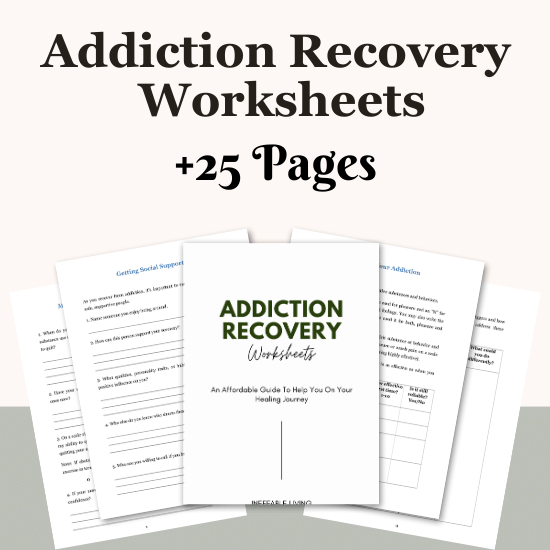
Related: Struggling with Addiction? These Worksheets Will Support Every Step of Recovery
3. Shift Your Environment Immediately
Cravings often depend on context — a room, a smell, a time of day, or an activity. Change your position, move to another space, or stand up. Even a small environmental shift can soften the rise of the urge.
4. Take a Slow, Intentional Breath
A single slow inhale and exhale helps create a pause between urge and action. You don’t need to calm yourself completely — you just need enough space to prevent the craving from escalating.
5. Interrupt the Thought Before It Gains Power
Cravings often start with a small justification: “Maybe just a little,” “I deserve it,” or “It’s been a rough day.” Cut the thought off early. Redirect it with a firm mental statement like, “Not right now.”
6. Create a Quick Distraction Task
Give yourself a simple two-minute activity — wiping a counter, sending a text, stepping outside, or drinking water. Short tasks interrupt mental buildup and reduce the craving’s momentum.
7. Change Your Physical Sensation
Temperature, movement, and posture all influence urges. Splash cool water on your hands, stretch your arms, roll your shoulders, or clench and relax your fists. Small sensory changes reduce the craving’s intensity.
8. Identify What Emotion Is Fueling the Urge
Ask, “What am I actually feeling?” Cravings often rise when you feel stressed, lonely, tired, bored, or overwhelmed. Naming the underlying emotion disrupts the urge and moves you toward the real issue.
9. Remind Yourself That Acting on the Urge Doesn’t Fix the Trigger
Cravings promise relief, but they don’t solve the discomfort that created them. Remembering this early stops the craving from feeling like a solution.
Related: How to Break the Addiction Cycle? [Definitive Guide]
10. Use a Grounding Object or Sensation
Hold something soothing, textured, or cool — a stone, a mug, a piece of fabric. Sensory grounding redirects your attention and weakens the craving’s intensity before it spikes.
11. Break Eye Contact With the Trigger
If you are looking at the object of your craving, you’re feeding the urge. Turn away, close the tab, put the item out of sight, or walk away. Out of sight often means out of escalation.
12. Give the Craving a Delayed Permission
Tell yourself, “If I still want it in 10 minutes, I’ll think about it again.” Delayed permission prevents urgency and often stops the craving from reaching full strength.
13. Interrupt Physical Stillness
Most cravings grow stronger when you sit still. Stand up, stretch, pace, or shift your weight. Movement dilutes the urge.
14. Replace the Craving Thought With a Neutral Statement
Use simple phrases like, “This is temporary,” or “I can handle this moment.” You’re not arguing with the craving — you’re steadying yourself before it peaks.
Related: How to Enjoy Being Sober? (+FREE Worksheets)
15. Remind Yourself of Your Pattern
Cravings usually follow predictable routines. When you recognize the pattern early, you gain the power to intervene before the later stages take over.
16. Hydrate Before the Craving Grows
Take a few sips of water. Hydration disrupts the sensory momentum of cravings and creates a physiological pause.
17. Visualize the Craving Losing Power
Imagine the urge shrinking, cooling, dissolving, or fading. A quick mental image helps reduce the feeling that the craving is growing uncontrollably.
18. Use Your Hands
Engage your hands with something — doodling, squeezing a stress ball, organizing a drawer. Keeping your hands occupied prevents automatic actions tied to the craving.
19. Interrupt the Urge With a Question
Ask yourself: “What will this choice create for me?” This shifts your focus from the craving’s promise of relief to the reality of consequences, lowering emotional urgency.
Related: How Childhood Trauma Leads to Addiction: Top 9 Causes
Conclusion
De-escalating a craving is about disrupting the momentum long before it becomes overpowering. The more often you intervene early, the less intense and less frequent cravings become — not because you never have them, but because you learn how to stop them from growing into something unmanageable.