
Gaslighting is a form of psychological manipulation that causes you to question your own thoughts, perceptions, emotions, or memories. It’s subtle, strategic, and deeply destabilizing—often making you feel confused, self-doubting, or even like you’re “going crazy.” If you’re wondering whether you’re being gaslighted, that alone is a red flag. This guide will help you identify what gaslighting looks like, how it works, and how to recognize it in your life.
What Is Gaslighting?
Gaslighting is emotional manipulation designed to make you doubt your sense of reality. It may involve denying facts, minimizing your feelings, twisting your words, or rewriting history. Over time, it erodes your confidence, self-trust, and ability to advocate for yourself.
It’s not always loud or aggressive—it can also be quiet, passive, and disguised as concern.
Common Signs You’re Being Gaslighted
1. You Constantly Second-Guess Yourself
You replay conversations trying to figure out if you misunderstood, overreacted, or imagined the entire situation.
Red flag: You begin to think you can’t trust your own memory or instincts.
2. They Deny Things They Clearly Said or Did
Even when there’s evidence—or when you clearly remember the event—they say, “That never happened,” or “You’re remembering it wrong.”
Red flag: You start feeling disoriented about what’s real and what’s not.
3. Your Feelings Are Always Dismissed
They regularly tell you you’re “too sensitive,” “too dramatic,” or “making things up.” When you try to express hurt or confusion, they deflect or belittle your feelings.
Red flag: You stop expressing your emotions because they’re never taken seriously.
Related: Am I Being Gaslighted Quiz
4. They Twist the Story Until You’re the Problem
No matter what happens, you somehow end up apologizing. They reframe every conflict to make you feel guilty or irrational.
Red flag: You feel like you’re always in the wrong, even when you know something isn’t right.
5. You Feel Like You’re “Walking on Eggshells”
You’ve become hyper-aware of your tone, words, or emotional reactions. You’re constantly trying to avoid triggering their anger, withdrawal, or accusations.
Red flag: You censor yourself or feel afraid to bring things up.
6. They Use Your Vulnerabilities Against You
You confided in them about past trauma, insecurity, or fear—and now they subtly use it to invalidate you or control your reactions.
Red flag: You feel exposed and unsafe in conversations that should feel intimate or secure.
7. You Apologize for Things You Didn’t Do
You say “I’m sorry” even when you haven’t done anything wrong. You do it to keep the peace or because you’re unsure of what’s real anymore.
Red flag: Your identity starts to revolve around keeping them calm, not honoring your truth.
Related: What Happens When You Ignore A Gaslighter? Top 10 Reactions
8. You Feel More Anxious, Numb, or Disconnected Than You Used To
You used to trust your gut, express yourself freely, or feel confident in your decisions. Now, you feel stuck in a fog of self-doubt and emotional exhaustion.
Red flag: You no longer feel like “yourself,” and you don’t know how to get back to that place.
Subtle Phrases That Often Signal Gaslighting
“You’re just imagining things.”
“You’re being crazy.”
“I never said that.”
“You’re too emotional.”
“You always twist things.”
“No one else thinks that but you.”
“You’re overthinking it again.”
What Makes Gaslighting So Dangerous?
Gaslighting doesn’t just hurt your feelings—it dismantles your internal compass. It creates a distorted reality where you’re constantly seeking permission to feel, think, or react. The longer it goes on, the harder it becomes to recognize, because you’ve been taught to doubt your own truth.
How to Confirm If It’s Gaslighting?
Write things down. Keep a journal of what was said and how you felt afterward. You may start to see patterns that your brain has been trained to overlook.
Talk to a trusted third party. An outside perspective can help confirm what’s real and validate your feelings.
Ask yourself:
– Do I feel smaller around this person?
– Do I question myself more when we talk?
– Do I feel like my needs are unreasonable?
What to Do If You’re Being Gaslighted
1. Trust Your Feelings and Perceptions
Gaslighters aim to convince you that your emotions and experiences are invalid or mistaken. It’s important to remind yourself consistently that your feelings are real and meaningful. When you feel confused or doubt yourself, pause and ask:
- “What am I feeling right now?”
- “What happened from my perspective?”
Keep a journal where you write down your thoughts and emotions immediately after upsetting interactions. This reinforces your connection to your own reality and builds confidence in your perceptions over time.
2. Keep a Record
Writing things down is a powerful tool against gaslighting because it externalizes your experience. Record conversations, events, dates, and how each interaction made you feel. You don’t have to share this journal with anyone; it’s primarily for your own validation. When the gaslighter denies or distorts what happened, you can return to your notes to reaffirm your truth. Use specific details—quotes, actions, time frames—to counter the confusing messages they send. This documentation can also be valuable if you seek professional or legal help later.
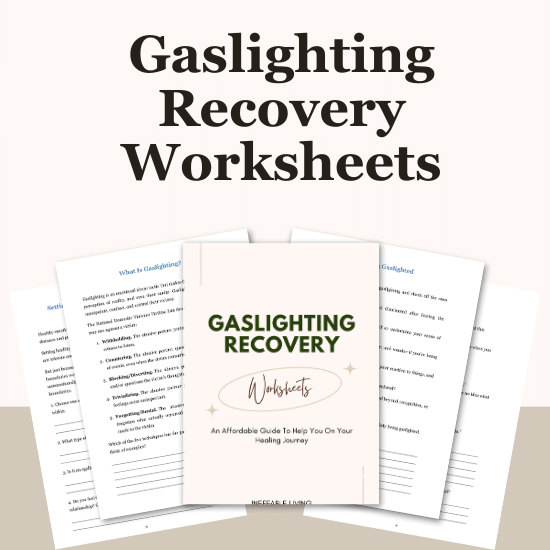
Related: 10 Signs of Gaslighting (+FREE Worksheets)
3. Seek Outside Perspectives
Isolation is a tactic used by gaslighters to control you. Reaching out to trusted friends, family members, or mental health professionals can help you gain clarity. Choose people who will listen without judgment and support your feelings. Describe situations calmly and ask for their honest impressions. Often, others can see the pattern of manipulation clearly when you’re too close to it. Regular check-ins with supportive people help counter the gaslighter’s influence and reinforce your self-trust.
4. Set Clear Boundaries
Setting firm boundaries protects your emotional and mental well-being. This can mean limiting the frequency of interactions, avoiding certain topics, or choosing not to engage when the gaslighter tries to manipulate. Communicate your boundaries clearly, such as:
“I’m not willing to discuss this topic right now.”
“If the conversation becomes disrespectful, I will leave.”
Be consistent in enforcing your boundaries—don’t allow yourself to be guilted or pressured into breaking them. Practice phrases that help you disengage, like:
“I need to think about this.” or “Let’s pause here.”
Over time, boundaries help you regain control and reduce the gaslighter’s power over you.
5. Don’t Try to Argue or Convince the Gaslighter
Gaslighters often use denial, blame-shifting, and twisting facts to confuse and destabilize you. Trying to reason with someone who refuses to acknowledge your reality can be exhausting and futile. Instead, focus on protecting your own emotional space. When confronted with manipulation, respond briefly and neutrally, then remove yourself if possible. For example:
“I hear what you’re saying, but I disagree.”
or
“I’m not going to continue this conversation right now.”
Learning to disengage calmly prevents escalation and preserves your energy.
Related: How To Turn The Tables On A Gaslighter?
6. Practice Self-Care and Grounding Techniques
Gaslighting can leave you feeling anxious, disoriented, and overwhelmed. Grounding techniques bring you back to the present and calm your nervous system. Some effective practices include:
- Deep, slow breathing (inhale for 4 counts, hold for 4, exhale for 6)
- Feeling your feet firmly on the ground
- Engaging your senses by naming five things you see, four you hear, three you feel, two you smell, and one you taste
- Taking short walks in nature or gentle stretching
Prioritize regular self-care routines such as good sleep hygiene, balanced nutrition, and enjoyable activities that restore your sense of safety and well-being.
7. Educate Yourself About Gaslighting
Understanding the dynamics of gaslighting empowers you to recognize when it’s happening and dismantle its effects. Read trusted books, articles, or watch expert talks on emotional abuse and manipulation. Knowledge helps you label the behavior accurately, which weakens the gaslighter’s attempts to confuse you. When you see the patterns for what they are, you can respond more effectively instead of doubting yourself.
8. Plan for Safety
In cases where gaslighting is part of a broader abusive pattern, your physical and emotional safety is paramount. Create a safety plan:
- Identify trusted people you can reach out to in crisis
- Know local resources such as shelters, hotlines, or counseling centers
- Keep important documents and emergency contacts accessible
- Consider how to safely distance yourself if necessary
Having a plan reduces anxiety and increases your sense of control in difficult situations.
9. Rebuild Your Self-Trust
Gaslighting chips away at your confidence and decision-making. Rebuilding self-trust requires patience and practice. Start with small choices—decide what to eat, what to wear, or how to spend your free time—and affirm your ability to make good decisions. Use positive affirmations like:
“I trust my feelings and instincts.”
“I am capable of knowing what is true for me.”
Celebrate every moment you stand firm in your reality, no matter how small.
Related: Best 10 Books On Gaslighting
Conclusion
If you feel like you’re “losing yourself” in a relationship, that’s not love—it’s control.
Gaslighting isn’t a miscommunication. It’s a form of emotional manipulation.
You deserve to trust your thoughts. You deserve to name your feelings. You deserve relationships where your reality is honored—not erased.
You are not imagining this. You are waking up.
And that clarity is the beginning of your freedom.