Avoidance feels like a shield against discomfort. For a moment, pushing something aside brings relief — no confrontation, no anxiety, no responsibility. But over time, what you avoid grows heavier and more intimidating, silently draining energy and self-confidence. Facing it doesn’t mean leaping into the hardest thing all at once. The secret is starting small, with tiny steps that slowly turn avoidance into action.
The Psychology of Avoidance
Avoidance isn’t just procrastination—it’s a self-protective reflex. Your brain learns to associate certain tasks, people, or emotions with discomfort or danger. So, it finds ways to delay, deny, or distract. The more you avoid, the scarier the avoided thing becomes. This loop can quietly take over your emotional life.
Why We Avoid
People avoid for many reasons—sometimes conscious, often unconscious:
- Fear of failure or not doing it “perfectly”
- Fear of confrontation or being disliked
- Overwhelm from trauma or burnout
- A nervous system stuck in freeze
- Deep shame or self-doubt
- Associating the task with pain, rejection, or loss
Avoidance isn’t laziness. It’s a nervous system trying to survive what it once didn’t feel safe handling.
What Avoidance Can Look Like
- Reorganizing your workspace instead of replying to a message
- Constantly telling yourself “I’ll do it tomorrow”
- Numbing out with social media or TV
- Rationalizing that “it’s not the right time”
- Starting new projects instead of finishing old ones
- Ghosting rather than expressing difficult feelings
- Avoiding mirrors, memories, certain people or places
Related: Top 10 Social Withdrawal Signs — & How To Social Isolation? (Hikikomori Syndrome)
The Emotional Cost
Avoidance brings short-term relief, but long-term consequences:
- Growing piles of unspoken things
- Relationships strained by silence
- Opportunities missed
- Guilt that simmers quietly
- Self-trust slowly eroding
You start to fear the fear more than the thing itself.
What You’re Really Avoiding
Sometimes it’s not the task or the conversation you fear—it’s the emotion attached to it. Grief. Shame. Anger. Powerlessness. Unworthiness. When you name the emotion behind the avoidance, it loses power.
9 Tiny Steps to Start Facing What You’ve Been Avoiding
1. Name What You’re Avoiding
Avoidance thrives in vagueness. When you don’t clearly define what you’re putting off, it stays shadowy and overwhelming. Naming the avoided task or issue gives it shape and makes it more manageable.
Example:
Instead of saying “I’m behind on everything,” be specific:
- “I’ve been avoiding replying to that email.”
- “I’ve been avoiding scheduling a doctor’s appointment.”
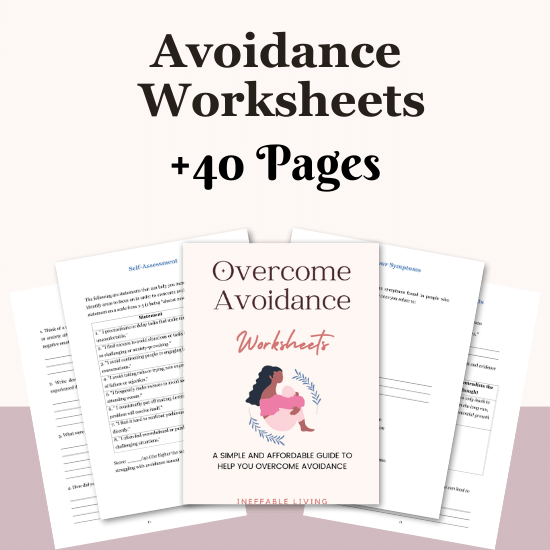
Related: Best 9 Tips On How To Stop Avoidance Cycle (+FREE Worksheets PDF)
2. Break It Into Micro-Tasks
Big challenges fuel avoidance because they look like mountains. Breaking them into small, clear tasks reduces the sense of being overwhelmed.
Example of breaking down a difficult conversation:
- Write down your main message.
- Decide when to talk.
- Send a simple text asking to meet.
3. Use the Five-Minute Rule
Getting started is often the hardest part. Tell yourself you only need to work on it for five minutes. Starting lowers fear and often leads to natural momentum.
Example: Spend five minutes drafting the opening of a report — even if you stop, you’ve beaten avoidance.
4. Start With the Easiest Piece
Avoidance whispers that everything must be solved at once. Choosing the simplest part first helps build momentum.
Examples:
- Instead of cleaning the whole kitchen, start with washing just the cups.
- Instead of finishing a whole form, fill in your name and address first.
Related: The Difference Between Coping & Escaping
5. Pair the Task With Comfort
Facing discomfort doesn’t have to feel punishing. Linking the avoided task with something soothing helps your nervous system stay calm.
Ideas:
- Play soft music while working.
- Make a warm drink before starting.
- Light a candle while writing emails.
6. Share Your Intention With Someone Safe
Avoidance thrives in secrecy. When no one knows, it’s easy to delay forever. Sharing your plan adds gentle accountability.
Examples:
- Tell a friend: “I’m going to make that call this afternoon — can I text you once I’ve done it?”
- Join a study or co-working group where everyone checks in on progress.
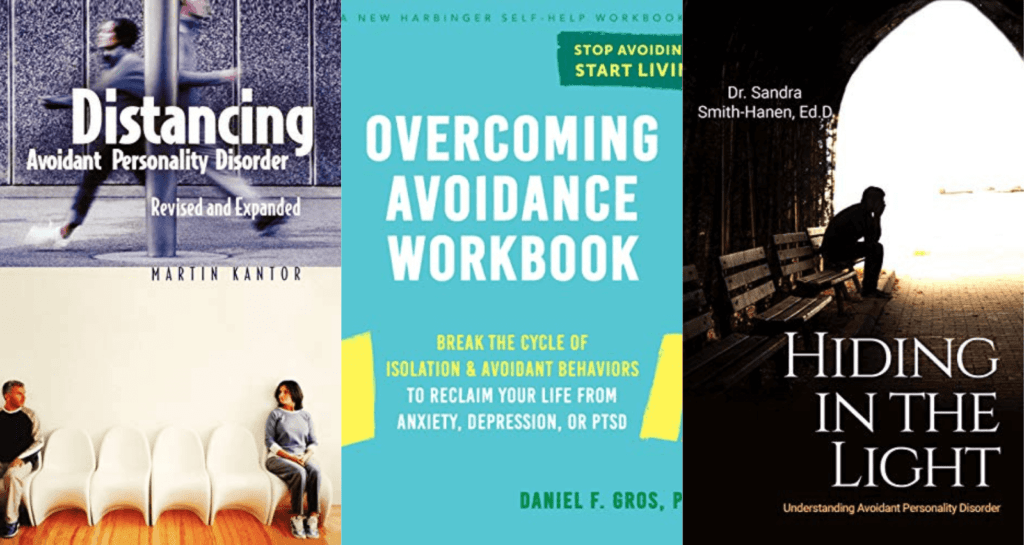
Related: Best 5 Avoidant Personality Disorder Books
7. Reframe the Story in Your Head
Much of avoidance is about the scary story you tell yourself. Shift from catastrophe to possibility.
Reframes:
- From: “This will be awful.” → To: “It may be uncomfortable, but I can take one small step.”
- From: “I’ll fail if I try.” → To: “Even trying for five minutes is progress.”
8. Reward Small Wins
Every tiny action is proof that you can face discomfort. Celebrating reinforces courage and makes progress more likely next time.
Examples of rewards:
- Pause to say “I did it” out loud.
- Treat yourself to a walk, tea, or something small you enjoy.
- Check the task off your list with satisfaction.
9. Use a Simple Table to Track Progress
| Avoided Task | Tiny Step Taken | How I Felt After | Next Step |
|---|---|---|---|
| Call the dentist | Looked up phone number | Relieved, lighter | Put number in phone |
| Finish work report | Wrote first paragraph | Proud | Write second tomorrow |
| Apologize to friend | Drafted message | Nervous but better | Send text |
This kind of tracking transforms vague dread into visible progress.
Related: Best 15 Books About Fear
Conclusion
Avoidance doesn’t disappear overnight — it shrinks when you face it gently, step by step. By naming what you’re avoiding, breaking it down, starting small, pairing it with comfort, reframing your thoughts, and celebrating tiny wins, you turn dread into doable action. Over time, these small shifts build momentum. The once-intimidating task becomes lighter, and you begin to trust yourself again. Courage isn’t about tackling everything in one leap — it’s about taking steady, compassionate steps that remind you: you can face what you fear, one piece at a time.