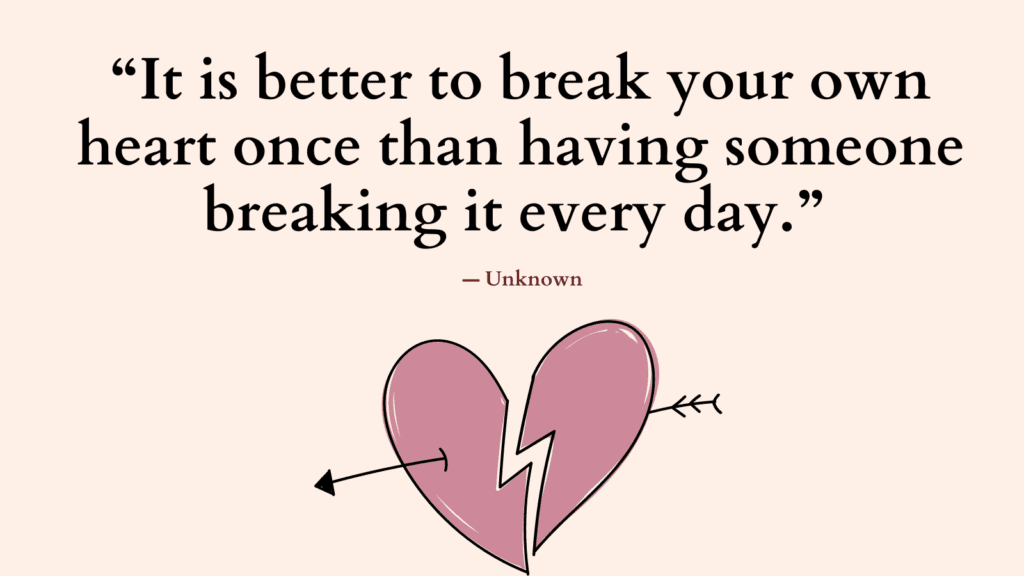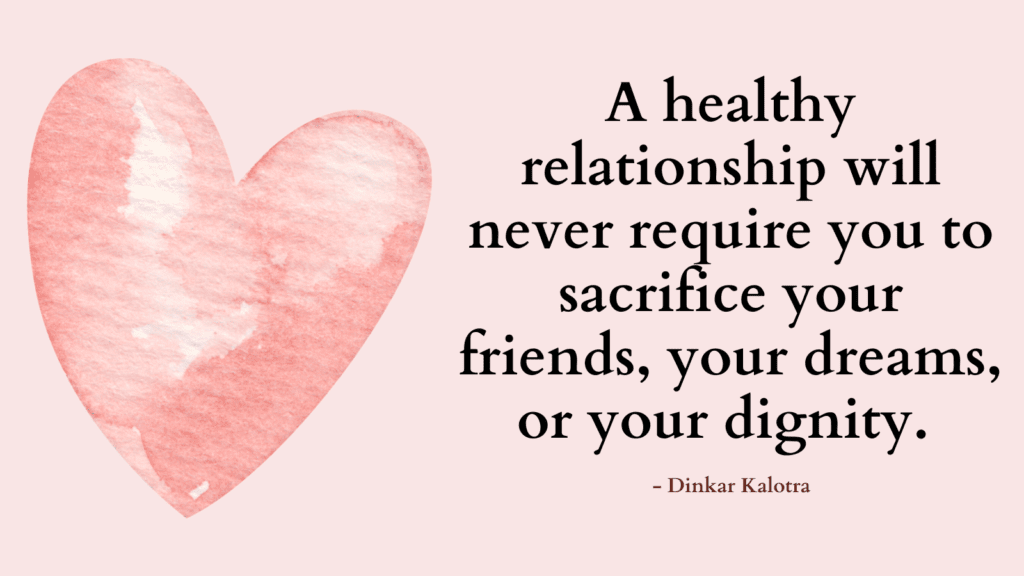
Looking back on old relationships often comes with a filter. Instead of remembering the whole truth—the joy and the pain—we highlight the sweetness, the closeness, the moments that made us feel alive. Romanticizing the past isn’t about lying to ourselves; it’s the mind’s way of softening loss and making sense of what once mattered deeply.
What Does It Mean to Romanticize the Past?
Romanticizing a past relationship isn’t just remembering the good times — it’s idealizing them, often in ways that gloss over pain, incompatibility, or unmet needs.
It’s when you replay memories with a soft filter, forgetting the parts that once made you doubt, cry, or shrink.
You might catch yourself thinking:
- “Maybe it wasn’t that bad.”
- “What if I never feel that way again?”
- “I should’ve just tried harder.”
These thoughts aren’t just nostalgia — they’re emotional rewrites.
Why We Romanticize Past Relationships? Top 8 Reasons
1. Memory Is Selective
The brain doesn’t store every detail evenly. Over time, the intensity of painful memories fades faster than pleasant ones. This “rosy retrospection” makes us recall the highlights more vividly than the struggles.
2. Nostalgia Feels Comforting
When life feels uncertain, looking back on old love can bring a sense of stability. Even if the relationship wasn’t perfect, it becomes a symbol of a time when you felt wanted, safe, or hopeful.
3. We Miss Who We Were Back Then
Sometimes it’s less about the person and more about the version of you that existed in that relationship. You may miss the excitement, youthfulness, or possibilities you felt at the time.
Related: Breakup Therapy: 6 Techniques to Help Clients Cope With Grief
4. Loneliness Amplifies Old Bonds
When you feel lonely, the mind fills the emptiness with comforting memories. Old relationships resurface as if they were better than they really were, simply because they represent connection.
5. Unfinished Stories Invite Fantasy
If a relationship ended without closure, your mind may rewrite the story. “What if we had stayed together?” or “Maybe it could have worked.” The lack of resolution fuels idealization.
6. We Compare the Past to Present Disappointments
When current relationships feel hard, the past can look easier in hindsight. But often, it’s not that the past was better—it’s that memory filters out the ordinary struggles.
7. Our Brains Link Love With Reward
Romantic love activates dopamine, the brain’s reward chemical. Remembering a past relationship can trigger the same circuits, giving you a temporary emotional high—even if the relationship was unhealthy.
8. We Long for Certainty in a World of Change
Past relationships are known stories. The future is uncertain. Romanticizing old love can feel safer than facing the vulnerability of creating something new.
Related: Navigating Separation: How to Care for Your Heart and Move Forward with Strength
What It Protects
Romanticizing protects your heart from the full weight of loss.
It buffers you from despair.
It gives you a narrative when your identity feels shaken.
But it also traps you in loops — where healing becomes delayed, and the past becomes something it never truly was.
You don’t idealize because you’re weak — you do it because your nervous system is seeking relief.
And in that, there’s nothing shameful — only a sign of where healing still wants to happen.
How to Stop Romanticizing Past Relationships?
1. Remind Yourself Why It Ended
When you start replaying the highlights, also bring the full story back into view. Write down the reasons the relationship ended—whether it was incompatibility, neglect, betrayal, or simply growing apart. Seeing the whole picture prevents your mind from editing out the pain.
2. Challenge the Fantasy With Facts
Romanticizing often adds “what ifs” and imagined futures. Whenever you catch yourself idealizing, ask:
- “What was the reality, not the fantasy?”
- “What parts of myself did I shrink or silence in that relationship?”
Truth grounds you more than nostalgia.
3. Stop Comparing the Present to a Filtered Past
The past feels perfect only because memory softens its flaws. Instead of comparing current struggles to selective highlights, remind yourself: “Every relationship has unseen difficulties, even the ones I miss.”
Related: Top 45 Breakup Journal Prompts (FREE Breakup Worksheets)
4. Limit Triggers That Keep the Fantasy Alive
Old texts, social media profiles, or revisiting certain places can feed idealization. Protect yourself by creating boundaries around these triggers until your perspective feels steadier.
5. Reclaim the Feelings Without Reattaching to the Person
Ask yourself: “What did I actually miss—the person, or how I felt with them?” Maybe it was excitement, safety, or being seen. Once you identify the feeling, explore new ways to create it in your life today—through hobbies, friendships, or self-growth.
6. Focus on Your Growth Since the Relationship
Instead of fixating on what was lost, reflect on what you’ve gained since then. Ask:
- “What lessons did I learn?”
- “How have I grown stronger or clearer about what I need?”
Shifting attention to progress turns longing into self-respect.
7. Create Space for What’s Ahead
Romanticizing keeps you stuck in yesterday’s story. Redirect that energy toward what you want in your future:
- Healthier love
- New opportunities
- A deeper connection with yourself
When you fill your life with meaning now, the past loses its hold.
Related: Top 7 Tips On Setting Boundaries With An Ex When In A New Relationship
Conclusion
We romanticize past relationships because memory softens the pain, nostalgia comforts us, and unfinished stories invite fantasy. It’s natural to look back with longing—but it’s important to remember that what you’re missing is often the feeling of love and connection, not necessarily the person or the reality of the relationship. The past shaped you, but it doesn’t define what you deserve now.